


Antique Bird Table
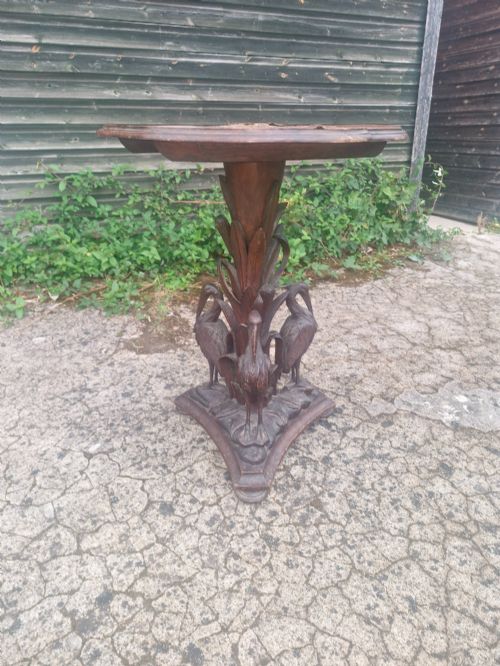
An antique bird table brings the natural world indoors through carved wood, inlaid marquetry, and silver models.
Antique Bird Table
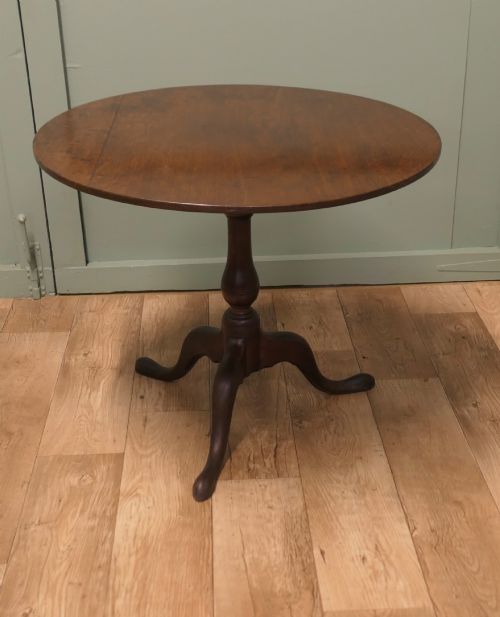
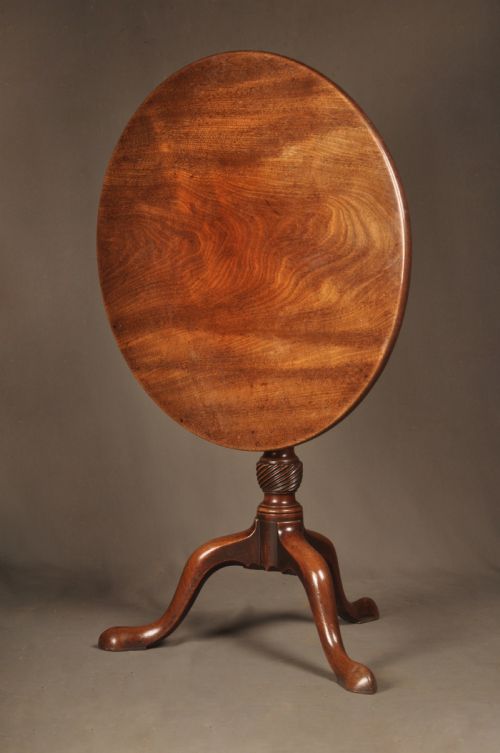
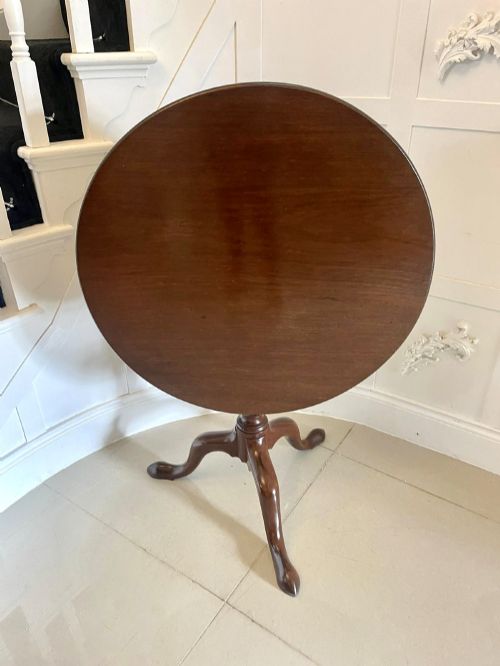
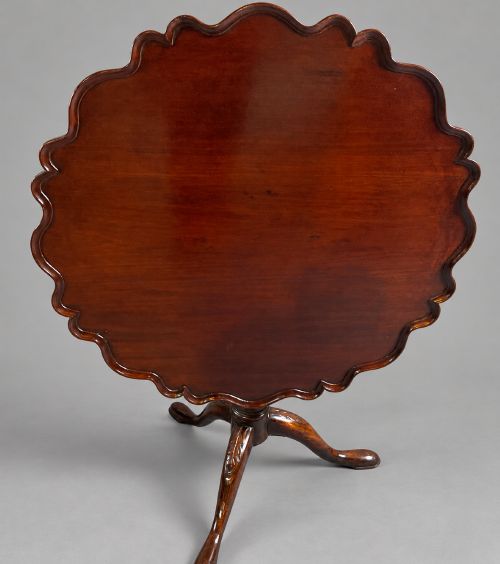
An antique bird table encompasses small accent furniture with avian motifs and distinct tripod tables designed for holding cages. Buyers searching for an antique bird table encounter George III tilt-top tripod designs alongside Dutch marquetry tables featuring inlaid birds and floral sprays.
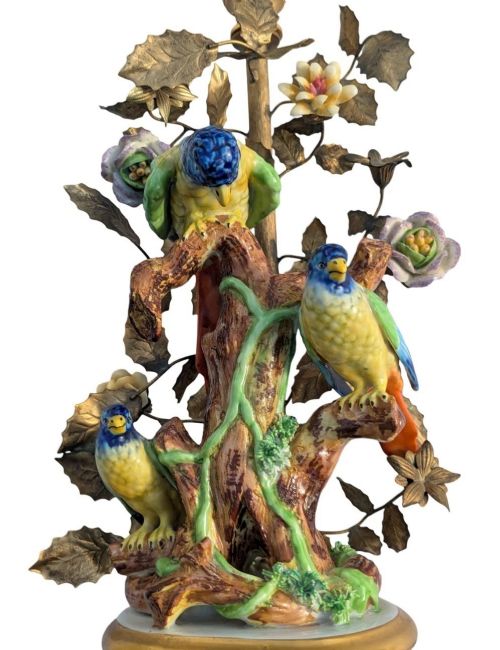
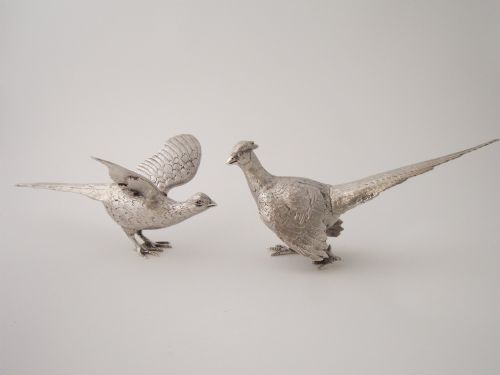
The selection ranges from 18th-century mahogany tripod pieces to occasional tables and decorative silver table ornaments shaped like cockerels and pheasants. These items reflect centuries of craftsmanship dedicated to depicting wildlife in domestic spaces.
Origins span Georgian England, Victorian workshops, and continental European centres, utilising forms such as the classic bird cage table alongside modern Art Deco interpretations.
Materials and construction
Cabinetmakers utilised dense timbers including mahogany, walnut, and birds-eye maple, often shaping tops with a single piece of wood for tilt-top mechanisms. Marquetry incorporates contrasting veneers to delineate feathers and foliage with precision.
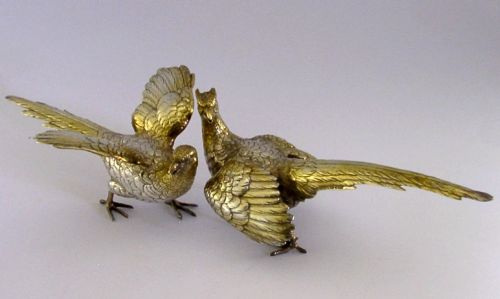
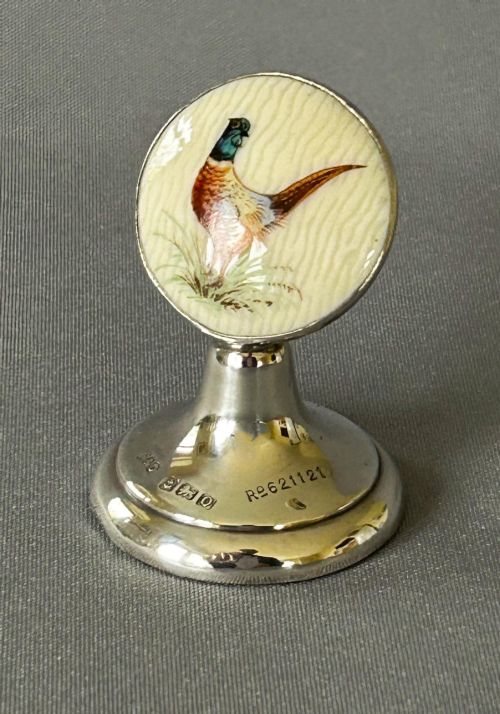
Silversmiths cast sterling silver and continental silver into detailed figures of grouse, woodcock, and fighting cockerels using traditional casting and chasing techniques. Enamel work and hand-painted details frequently accent the metallic surfaces.
Antique Bird Table Retail Price Guide 2026
Typical asking prices for bird table among the pieces listed under this phrase on Sellingantiques today, from the lower quarter to the upper quarter. They describe what is for sale here now, not the wider market.
A tiny silver woodcock watches quietly from the corner, proof that silversmiths observed local wildlife with immense charm.
Evaluating workmanship
Quality rests in the crispness of the carving and the fidelity of the bird motifs, whether rendered in timber inlay or solid silver. Superior marquetry displays subtle shading within the veneers to create depth, while lesser examples rely on simple surface engraving.
Structural integrity dictates the value of tilt-top tables, where the bird-cage mechanism beneath the top must operate smoothly without excessive play in the pivot joints. Silver models demonstrate excellence through chased feather texture rather than relying solely on smooth cast contours.
Flight Barr And Barr·Kpm Berlin·Berthold Muller·Paul Lelong·R Lalique
The Antique Bird Table Glossary
- Bird cage table
- A small occasional table featuring a rotating wooden block or cage beneath the top, allowing the surface to tilt and turn. This mechanism originated in the 18th century for convenience and space-saving.
- Marquetry
- The art of applying decorative veneer pieces to a structure to form intricate pictures or patterns. It frequently depicts floral and avian scenes on 18th-century tables.
- Tripod table
- A small freestanding table supported by a pillar and three legs. They are commonly found in tilt-top configurations.
- Sterling silver
- An alloy of silver containing 92.5 percent pure silver and 7.5 percent other metals, usually copper. It is the standard material for British silver table ornaments.
- Chinoiserie
- European imitation and interpretation of Chinese and East Asian artistic traditions. It often appears on lacquered tables featuring birds and landscapes.
Antique Bird Table: Frequently Asked Questions
How do I care for silver bird ornaments?
Sterling silver and silver-plate models require gentle dusting with a soft microfiber cloth to prevent the accumulation of abrasive particles. Avoid harsh chemical dips that strip away desirable patination.
Keep the pieces away from direct sunlight and damp environments to preserve any applied enamel and the natural lustre of the metal.
Where were marquetry bird tables made?
Marquetry tables featuring bird and floral designs were produced extensively in 18th-century workshops across England, Ireland, and the Netherlands. Dutch cabinetmakers specialised in elaborate floral and avian marquetry using multiple contrasting woods.
These pieces often reflect the prevailing Rococo influence of the period through their curving lines and naturalistic subject matter.
How do I distinguish 18th-century tables?
Eighteenth-century tables exhibit hand-cut joinery, pegged tenons, and timber surfaces that have developed a deep patina over generations of use. The grain patterns on solid mahogany or walnut tops show subtle irregularities absent in later machine-made reproductions.
Hardware components like hinges and catches on these older pieces display hand-finished characteristics rather than uniform industrial casting.