



Antique Bird Painted Bowl
An antique bird painted bowl brings hand-rendered avian life into a room, offering both colourful plumage and centuries of ceramic or lacquer skill.
Antique Bird Painted Bowl
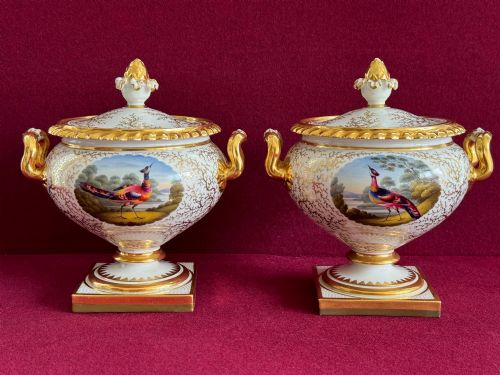
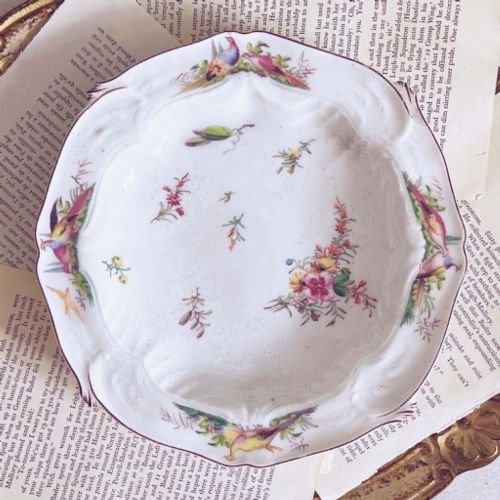
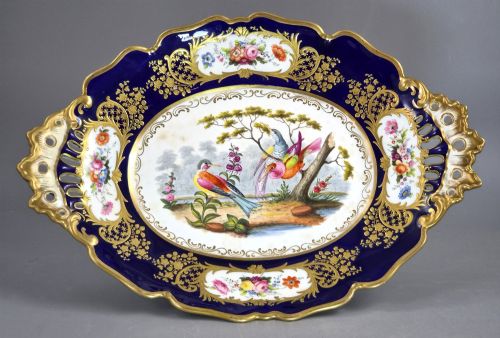
When you search for an antique bird painted bowl, you are looking at decorative vessels that feature hand-painted avian subjects across various forms. These objects span periods from the mid-eighteenth century through to the early twentieth century.
The selections available include porcelain soup dishes, lidded potpourri bowls, and shallow decorative dishes. Origins stretch from English factories to Japanese kilns and Kashmiri workshops.
English porcelain and continental factories like Meissen and Dresden appear frequently among the pieces. Makers utilise styles ranging from Rococo Revival and Chinoiserie to the Aesthetic Movement.
Materials and methods
Potters shaped hard-paste and soft-paste porcelain, while other artisans worked with papier-mache, lacquer, and opaline glass. Painters applied polychrome pigments by hand to render feathers, branches, and foliage.
Gilding and gold leaf often accent the rims and borders of porcelain bowls, complementing the central painted scenes. Kiln firing fixed the pigments and glazes before final distribution.
Antique Bird Painted Bowl Retail Price Guide 2026
Typical asking prices for bird painted bowl among the pieces listed under this phrase on Sellingantiques today, from the lower quarter to the upper quarter. They describe what is for sale here now, not the wider market.
Storks painted by Albert Shuck march across porcelain while French red anchors mark Chelsea birds from the mid-eighteenth century.
The spectrum of quality
The finesse of the hand-painted brushwork dictates the visual success of the bird subjects, separating standard production from master execution. Fine shading in the plumage and delicate rendering of surrounding foliage require advanced skill.
The crispness of the porcelain moulding and the application of gold leaf or gilding indicate the standing of the producing workshop. Preservation of the painted surface over decades of handling also marks the superior survival.
Coalport·Chelsea·Dresden·Royal Worcester·Grainger and Co·Meissen
The Antique Bird Painted Bowl Glossary
- Soft-paste porcelain
- A ceramic material fired at lower temperatures than hard-paste, common in early English factories. It possesses a warm glaze and a slightly softer body.
- Polychrome
- Decorated in several colours. This describes hand-painted bird motifs that utilise diverse pigments for naturalistic plumage.
- Potpourri
- A mixture of dried petals and spices kept in a lidded bowl. These vessels often feature pierced covers to release fragrance.
- Rococo Revival
- A nineteenth-century style drawing on eighteenth-century asymmetrical scrollwork and shell motifs. It frequently frames floral and avian painting.
- Chinoiserie
- European artistic style reflecting Chinese motifs. It influences the composition of landscapes and birds on various decorative dishes.
Antique Bird Painted Bowl: Frequently Asked Questions
How do I clean an antique painted bowl?
Dust the surface gently with a soft, dry brush to remove particles without disturbing the glaze. Avoid immersing painted or gilded pieces in water.
Harsh detergents and scrubbing will damage fragile enamel and gold leaf. Professional conservation advice is best for stubborn marks.
Were these bowls used for food?
Many items classed as soup dishes or desert dishes served functional dining purposes. Over time, their decorative qualities shifted them toward display.
Earlier soft-paste porcelain pieces risk scratching from cutlery use. Modern owners typically use them for visual display rather than daily dining.
How do I date a porcelain bowl?
Examine the base for factory marks, painted ciphers, or impressed anchors. These symbols often correspond to specific operational decades.
Stylistic indicators such as Rococo scrollwork or Aesthetic Movement borders also narrow down the period of manufacture.