





Antique Bird Mirror
When you search for an antique bird mirror, you are looking at wall pieces and overmantels crowned with carved avian motifs.
Antique Bird Mirror
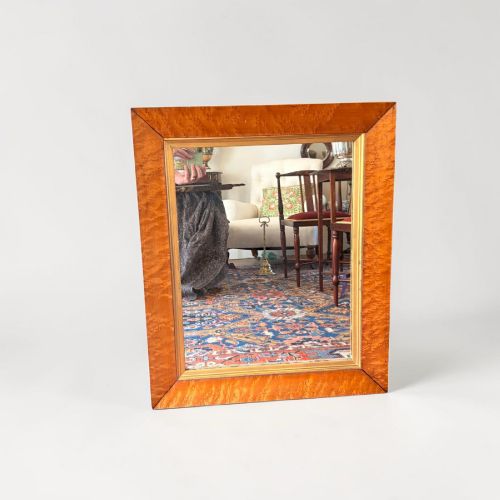
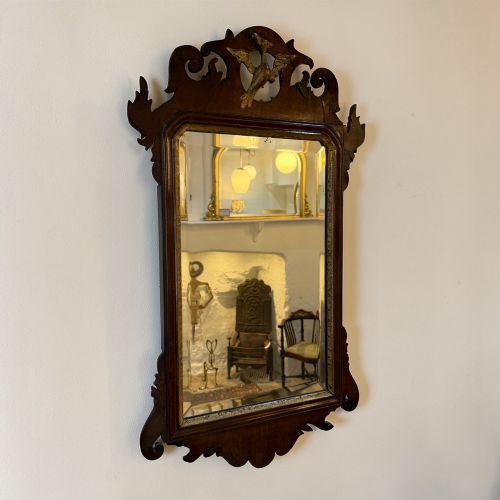
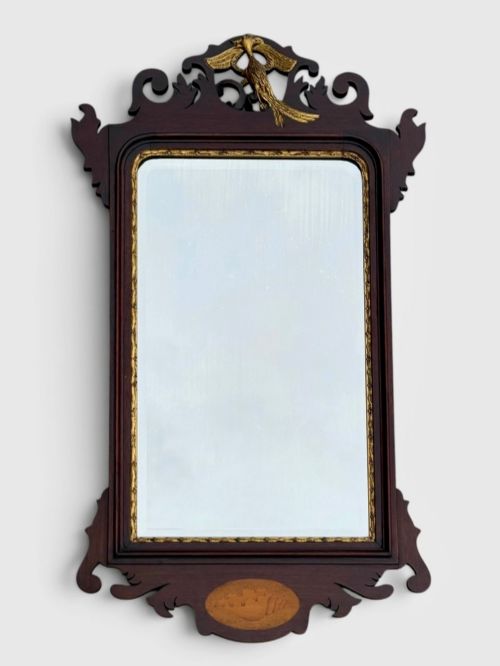
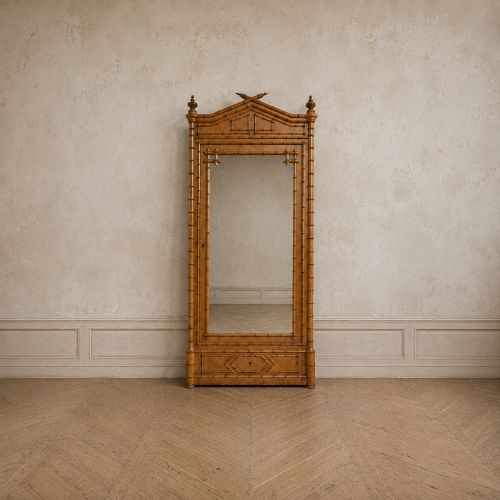
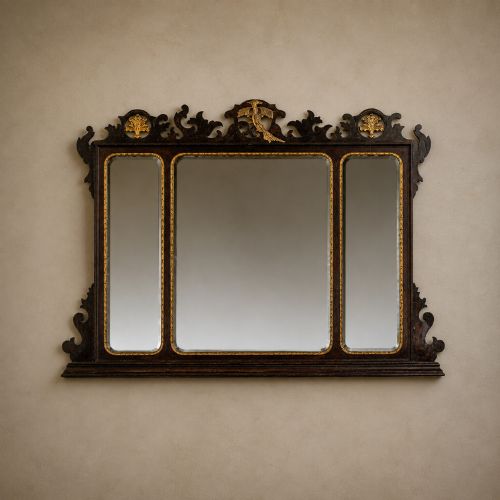
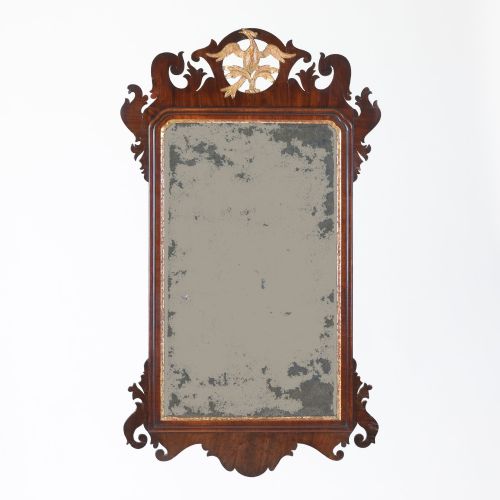
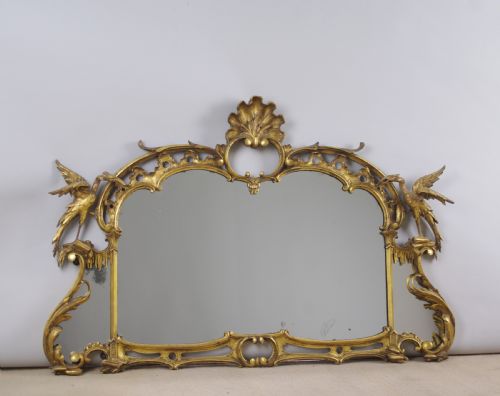
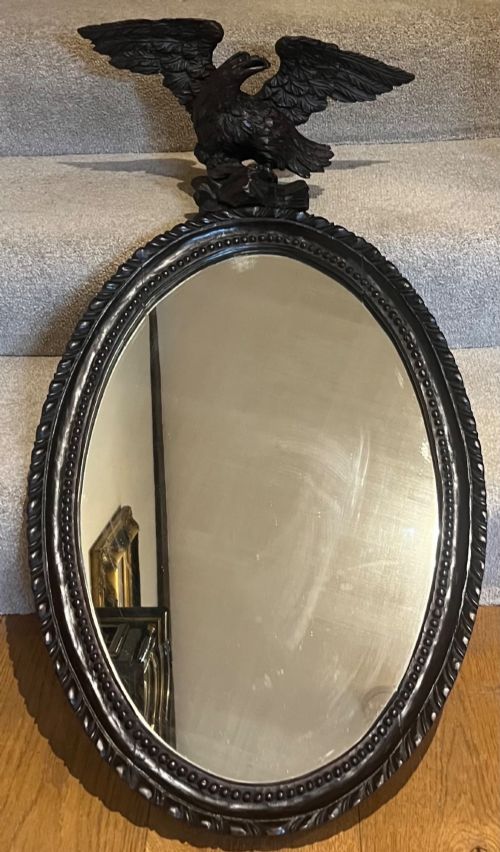
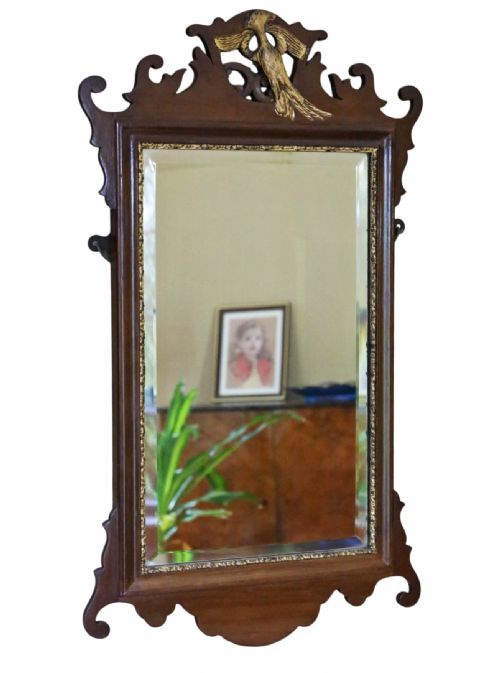
An antique bird mirror typically takes the form of a fret-cut wall glass or a large overmantel designed to anchor a room. You will frequently meet pieces bearing the characteristic Ho-Ho bird or eagle cresting, drawing on 18th-century idioms through Georgian and Regency revivals. The selection spans straightforward mahogany frames to elaborate giltwood and bird's-eye maple iterations from the nineteenth century.
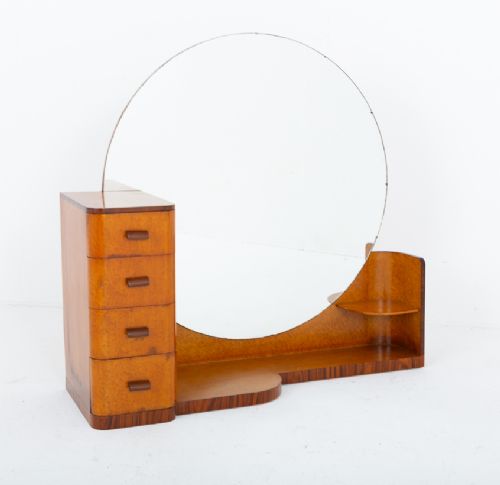
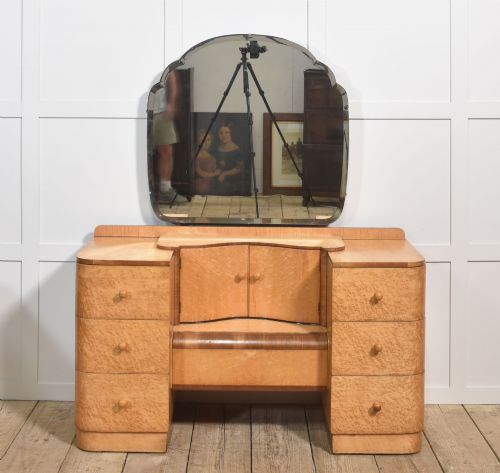
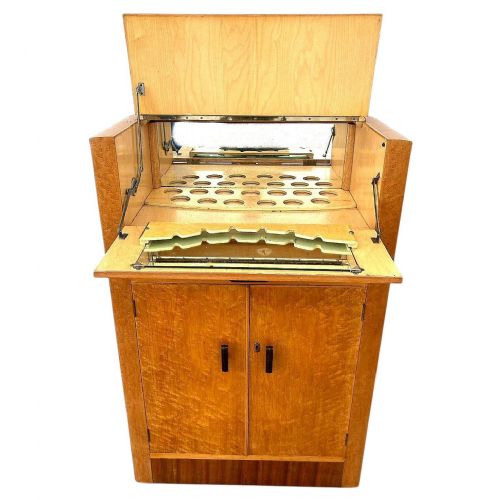
Makers and designers worked within distinct historical revivals, producing Chippendale and Regency interpretations alongside Art Deco dressing tables incorporating glass surfaces. Regional variations include French carved wood examples, Irish triptych overmantels, and Black Forest carved wood pieces featuring birds of prey. These objects served both functional reflection and prominent decorative display in period interiors.
Materials and construction methods
Craftsmen built the structural frames using native and exotic timbers such as mahogany, bird's-eye maple, and yew wood, often employing fret-cutting techniques for intricate scrollwork. Giltwood and gesso surfaces required meticulous application of gold leaf over prepared wooden bases to achieve a reflective metallic finish. Reverse glass painting and etching techniques further embellished specific regional and period pieces.
Carved wooden crests, including eagles and mythological birds, were fashioned separately and fixed to the upper frame of the glass. Overmantel mirrors utilised heavy timber backings to support wide glass plates divided into sections. Cabinetmakers combined these framed glasses with specialised furniture forms like dressing tables and armoires.
Antique Bird Mirror Retail Price Guide 2026
Typical asking prices for bird mirror among the pieces listed under this phrase on Sellingantiques today, from the lower quarter to the upper quarter. They describe what is for sale here now, not the wider market.
Materials recorded across the inventory include giltwood, gesso, mahogany, and reverse painted glass.
Distinctions in craftsmanship and materials
The sophistication of the wood carving defines the upper tier of these pieces, particularly in the rendering of feathered crests and scrollwork. Crisp fret-cutting and deep relief carving indicate skilled workshop production rather than mass commercial output.
The quality of the gilding and the preservation of original silvering on the mirror plate separate superior examples from later replacements. Selected timbers like figured bird's-eye maple display distinct grain patterns that enhance the visual weight of the frame.
Maurice Adams·Harry and Lou Epstein·A.J Rowley·Gabriel Viardot
The Antique Bird Mirror Glossary
- Gesso
- A plaster-like mixture applied to wood frames to create a smooth surface for gilding. Artisans carved intricate details directly into this hardened layer.
- Fret-cut
- A woodworking technique using a thin saw blade to produce pierced decorative patterns. It defines the flat, silhouetted outlines seen on many Georgian wall frames.
- Overmantel mirror
- A large horizontal glass designed to hang directly above a fireplace mantel. These pieces frequently incorporate multiple plate sections and elaborate cresting.
- Pier glass
- A tall, narrow mirror manufactured to hang on the wall space between windows. They reflect natural light into darker period rooms.
Antique Bird Mirror: Frequently Asked Questions
How do I date an antique bird mirror?
Dating relies on examining the timber species, construction joints, mirror plate characteristics, and carving style. Mahogany and gesso reflect 18th-century and Regency periods, while bird's-eye maple often points to Victorian or Edwardian eras.
Secondary wood on the reverse and the method of holding the glass in place provide further chronological clues for identification.
Where were these mirrors placed historically?
Large overmantel versions hung above drawing-room fireplaces to reflect light and fill grand wall spaces. Smaller fret-cut wall glasses were positioned in hallways or above pier tables.
Dressing table variants functioned as functional furniture pieces in bedrooms alongside matching wardrobes and chests of drawers.
Are these mirrors made of solid wood?
Frames are constructed from timbers like mahogany, maple, and yew, sometimes over a supporting structural carcass. Giltwood examples feature a gesso and gold leaf layer applied over a carved wooden base.
Reverse glass panels and painted surfaces represent distinct decorative techniques applied directly to the glass or wood substrates.