





Antique Bird Lamps
These antique bird lamps combine animal form and period lighting, offering sculptural presence and soft illumination for a room.
Antique Bird Lamps
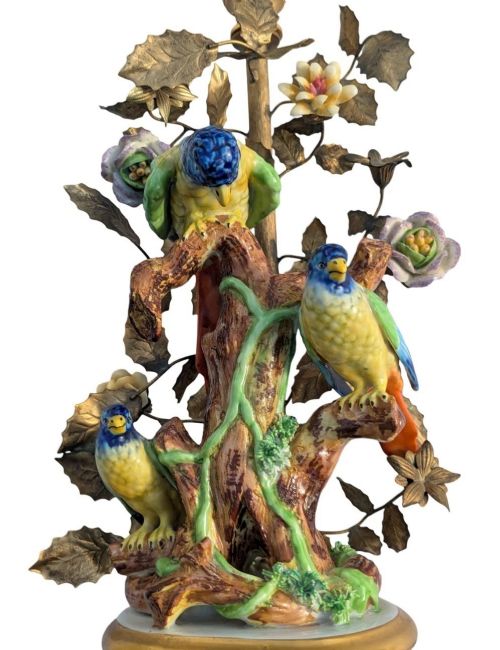
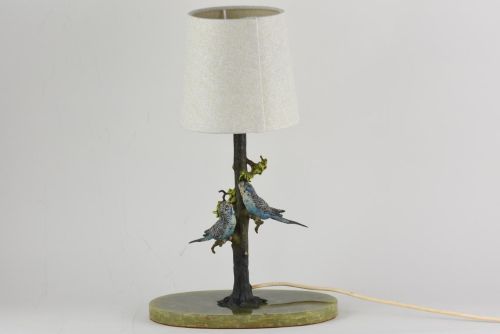
Antique bird lamps bring avian subjects into domestic illumination through sculptural bases and converted vessel forms. When searching for antique bird lamps, buyers encounter items ranging from Victorian painted bases to Art Deco figural studies of seagulls.
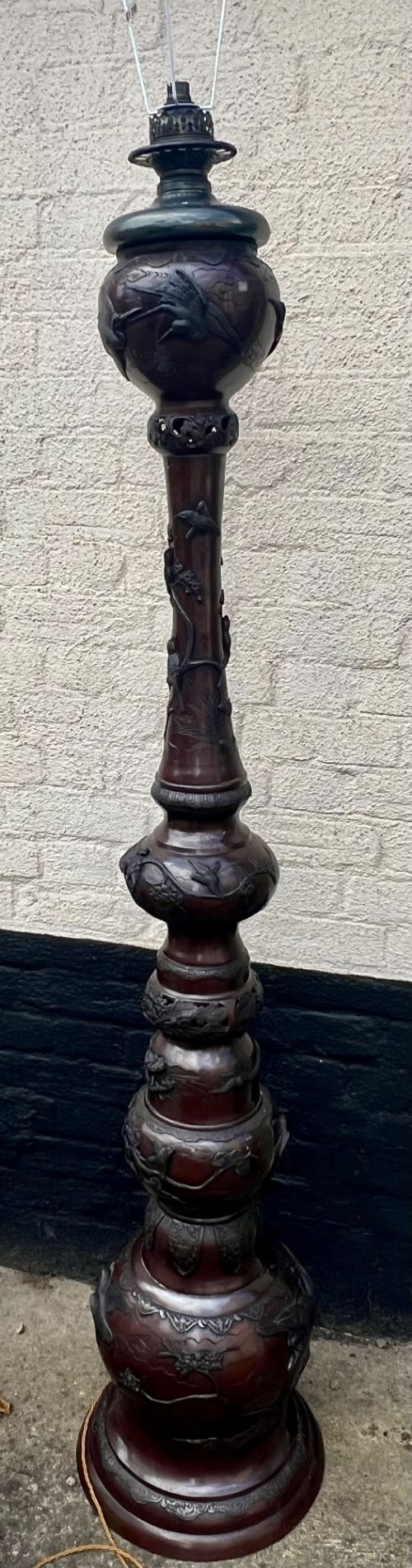
The selections on this page draw from the Victorian era up through the Art Deco period of the 1930s. Alongside table lamps and night lights, the listings include floor lamps and converted vases that incorporate birds into their design.
Moulded spelter and carved wood appear alongside porcelain and bronze to create these lighting fixtures. Art Deco pieces frequently depict gulls in flight or perched on waves, while earlier examples utilise traditional vase shapes adorned with painted avian motifs.
Materials and construction
Makers utilised metals such as brass, bronze and spelter to cast durable figural subjects, often pairing them with granite, marble or wood bases for stability. Glass components like mottled opaline provide the translucent shades or night light bodies.
Natural materials like carved oak and birds-eye maple supply the structure for related stands and cabinets, while porcelain serves as the primary medium for painted vase conversions. Enamel and hand-painted details add colour and finish to the avian depictions across the different periods.
Antique Bird Lamps Retail Price Guide 2026
Typical asking prices for bird lamps among the pieces listed under this phrase on Sellingantiques today, from the lower quarter to the upper quarter. They describe what is for sale here now, not the wider market.
Listings feature items from the Victorian era up to 1930, utilising materials like brass, marble, spelter, wood, porcelain, glass, fabric and enamel.
Judging quality and execution
The fineness of the carving or casting separates ordinary production from superior examples, particularly in the rendering of feathers and anatomical detail. A well-executed spelter or bronze casting retains crisp lines and convincing movement, whereas lesser items appear soft and indistinct.
Material integration also dictates distinction, as seen in pieces that combine heavy stones like granite and marble with well-matched glass and metalwork. The harmony between the avian subject and the supporting base determines the overall visual success of the piece.
The Antique Bird Lamps Glossary
- Spelter
- A zinc alloy used as a substitute for bronze in decorative figures and lamp bases. It takes fine detail well before being painted or bronze-finished.
- Opaline glass
- A pale, translucent glass popular in nineteenth and early twentieth-century lighting. It diffuses light softly across night lights and lamp shades.
- Famille rose
- A palette of Chinese porcelain enamels featuring predominant pink or rose colours. Pieces decorated in this style frequently find new life as lamp bases.
- Meiji period
- The era of Japanese history lasting from 1868 to 1912, noted for accomplished bronze casting and decorative arts exported to the West.
- Standard lamp
- A tall floor-standing lamp designed to illuminate a room from a corner or beside seating. These often feature substantial turned wood or metal shafts.
Antique Bird Lamps: Frequently Asked Questions
What periods do these lamps come from?
The pieces span from the nineteenth century through the Art Deco designs of the 1920s and 1930s.
Victorian and Meiji period examples sit alongside later French Art Deco night lights depicting seagulls and waves.
How were converted vase lamps made?
Earlier decorative vases made in China or Japan were later fitted with electrical components for modern use.
These retain their original hand-painted bird and floral decoration while serving as functional table lighting.
Where should I place a floor lamp?
Floor standards and tall bronze lamps suit corners of living rooms or spaces beside reading chairs.
Their height allows them to cast light downward over surrounding furniture and occasional tables.
How do I care for marble bases?
Marble and granite components require dusting with a soft, dry cloth to maintain their surface appearance.
Avoid using harsh chemical cleaners that can etch the polished stone or damage adjacent metal and fabric elements.
What materials are used in Art Deco lamps?
Art Deco lighting often combines spelter figures with granite, marble and mottled opaline glass.
Metal elements are frequently finished to resemble bronze while capturing dynamic avian forms in flight.