






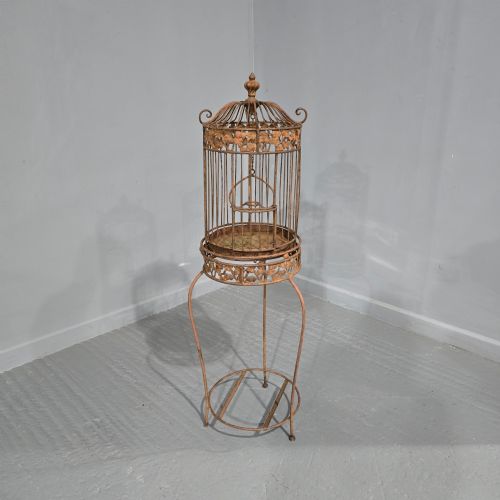
Antique Bird Aviary
These antique bird aviary pieces bring intricate metalwork and timber into interiors, offering historic charm and sculptural presence.
Antique Bird Aviary
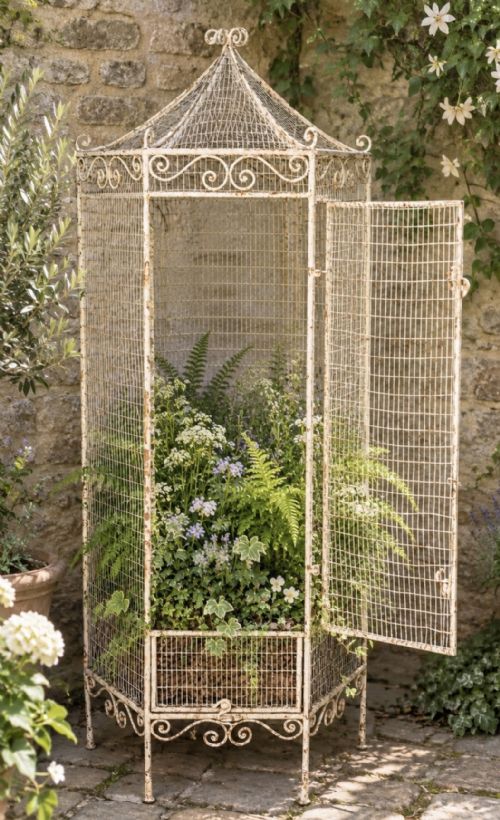
An antique bird aviary search leads you to architectural cages and decorative enclosures dating from the late nineteenth and early twentieth centuries. These pieces encompass everything from ornate Chinese pagoda styles to substantial brass structures and rustic country designs.
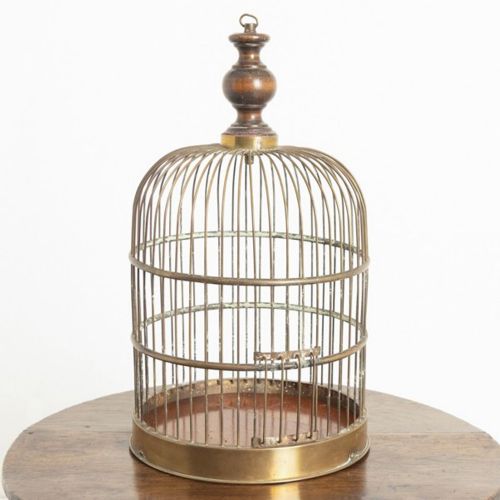
The most common examples encountered on this page include brass hanging cages and substantial wired frames from the Victorian and Edwardian eras. Buyers also find larger architectural forms such as chateau zinc models and cast iron cages on stands.
Originating largely from British, French, and Asian workshops, these decorative objects served both functional housing for exotic pets and grand ornamental displays in period homes.
How they were made
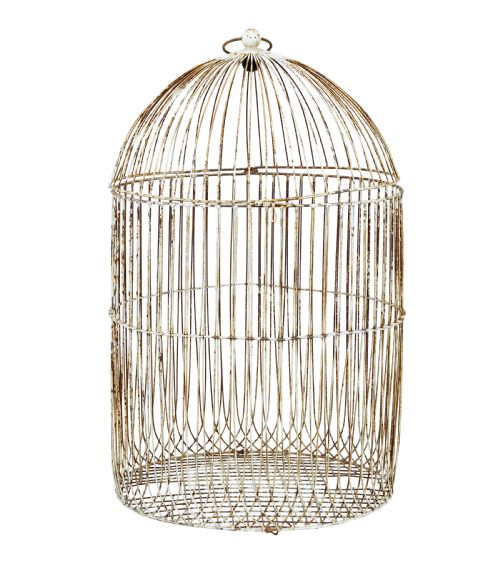
Maker construction relies on combinations of wire mesh, brass, copper, and wrought iron assembled around timber or metal frameworks. Artisans soldered wire meticulously to form secure enclosures while integrating glass and painted finishes for decorative impact.
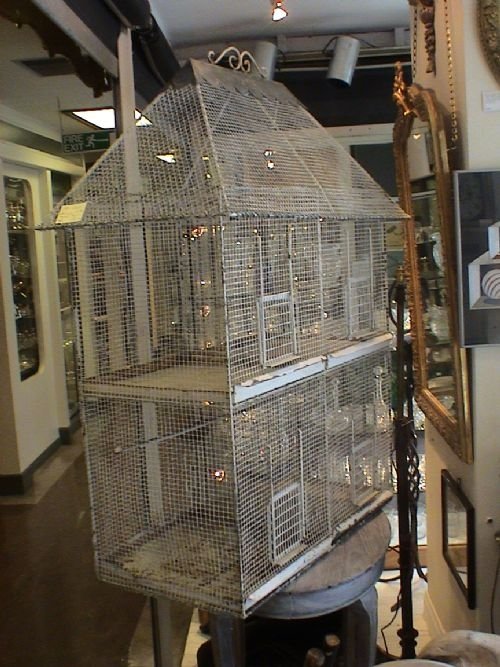
Larger architectural models incorporate cast iron stands and zinc panels, demonstrating robust metalworking techniques suited for substantial weight. Wooden breeding cages utilise traditional joinery to create functional compartments.
Antique Bird Aviary Retail Price Guide 2026
Typical asking prices for bird aviary among the pieces listed under this phrase on Sellingantiques today, from the lower quarter to the upper quarter. They describe what is for sale here now, not the wider market.
Listings span the nineteenth and early twentieth centuries, featuring materials such as brass, wrought iron, zinc, and wood in Victorian and Edwardian styles.
What varies in quality
Quality rests upon the complexity of the wirework and the integrity of the original materials, distinguishing simple utilitarian boxes from elaborate pagoda or chateau forms. Substantial gauge metals and intact patination elevate a piece well beyond standard production.
The degree of architectural detailing, such as multi-storey structures and integrated stands, marks the distinction between everyday decorative objects and exceptional examples of period craftsmanship.
The Antique Bird Aviary Glossary
- Aviary
- A large enclosure for keeping birds. These structures range from simple wire cages to multi-storey architectural pagoda designs.
- Pagoda
- An East Asian tiered tower style. In these listings, it describes cages built with multiple sweeping roofs and decorative eaves.
- Patina
- The surface ageing of materials over time. Brass and copper develop distinctive tones through oxidation and handling.
- Chateau
- A large French country house or castle. This style indicates ornate, substantial zinc or wire constructions built for grand estates.
Antique Bird Aviary: Frequently Asked Questions
How were antique aviaries used?
These enclosures primarily housed exotic pet birds in affluent Victorian and Edwardian drawing rooms. They also functioned as standalone decorative objects that enhanced interior aesthetics.
Larger versions accommodated breeding pairs or served as focal points in conservatories and country house orangeries.
How do I style an antique cage?
Place substantial brass or iron cages on sturdy tables or dedicated stands to highlight their architectural forms. Hanging brass designs suit spaces with adequate vertical clearance.
Keep the interiors simple or empty to let the intricate wirework and aged metal patination remain the visual focus.
What materials are most common?
Brass and wire mesh dominate the listings, frequently paired with iron, copper, and wood frameworks. Zinc and painted finishes appear on specific French provincial and chateau examples.
These varied materials reflect the shifting tastes of the nineteenth and early twentieth centuries.
How do I date an antique aviary?
Dating relies on identifying stylistic markers such as Art Nouveau curves or Chinese pagoda architecture. Materials like cast iron, zinc, and heavy gauge brass typically point towards the nineteenth or early twentieth centuries.
Construction techniques, including hand-soldered wire and traditional timber joinery, help confirm the period of origin.