





Antique Beverage Urn
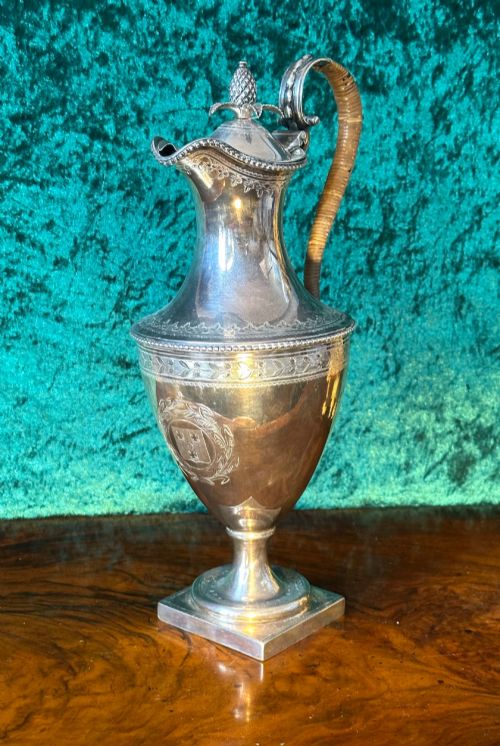
These antique beverage urns are substantial vessels of copper, brass, and silver built to serve hot drinks with grand scale.
Antique Beverage Urn
When you search for an antique beverage urn, you encounter heavy metal and ceramic vessels designed to hold tea, coffee, or water for hospitality. The items span Georgian, Victorian, and Edwardian periods, crossing French Country, Greek Revival, and industrial aesthetics.
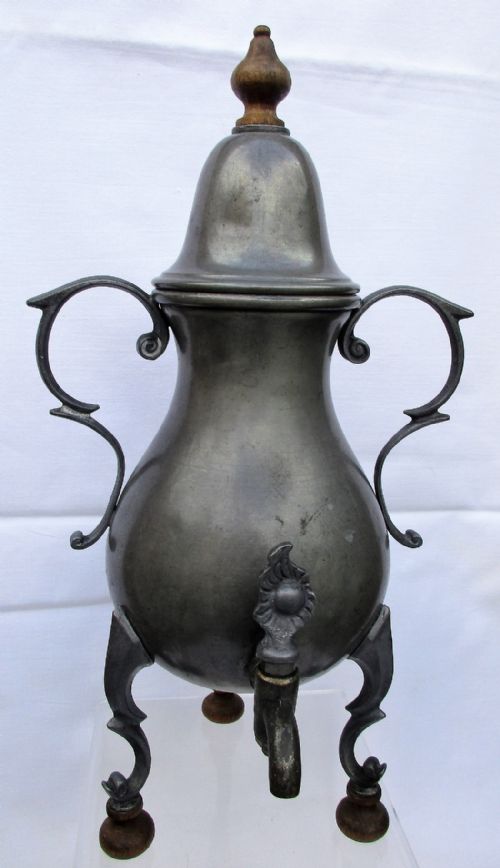
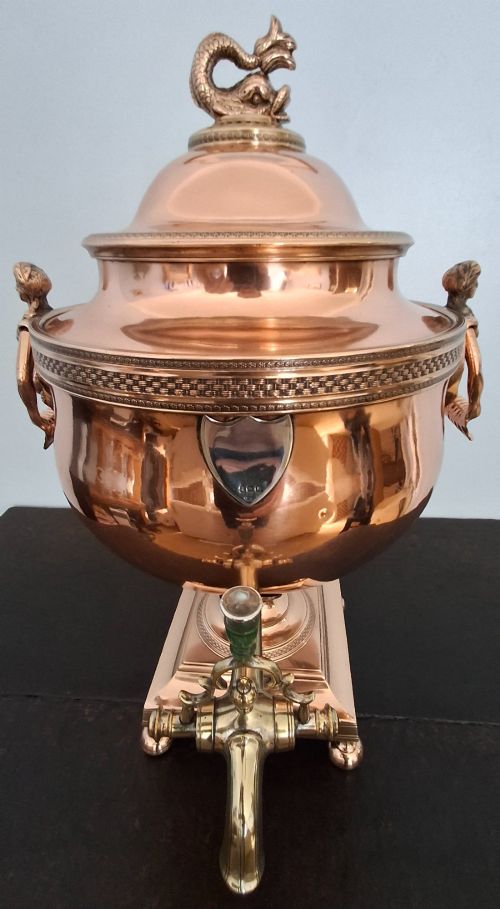
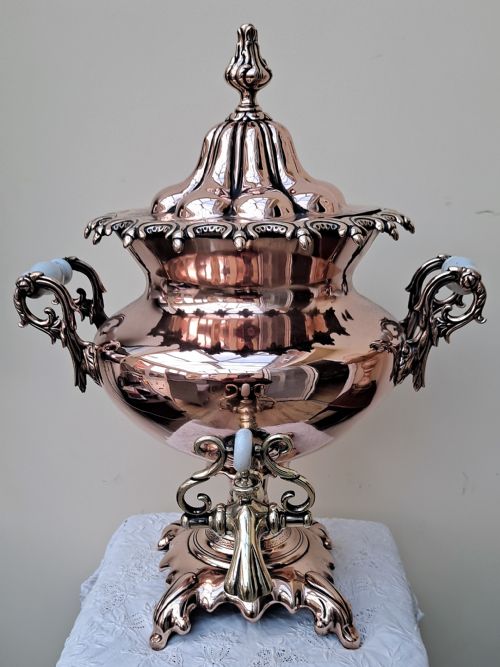
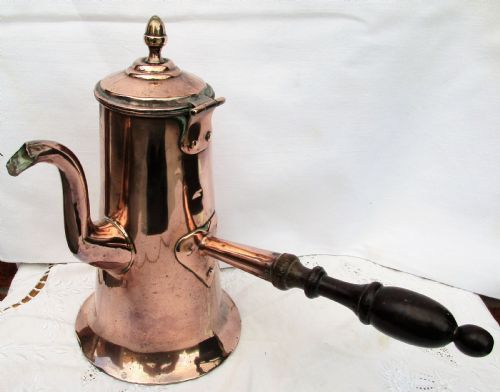
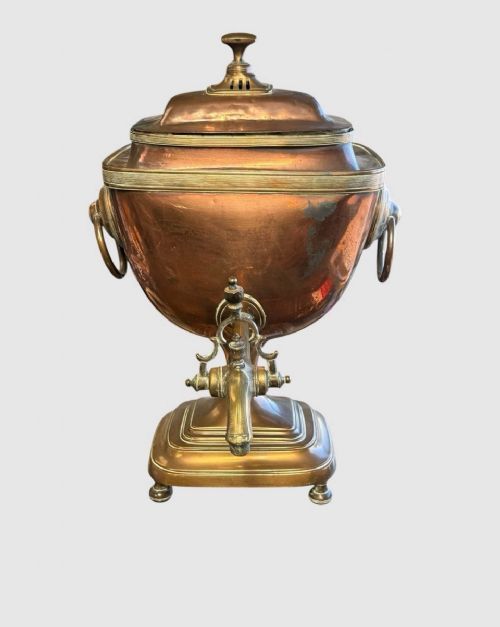
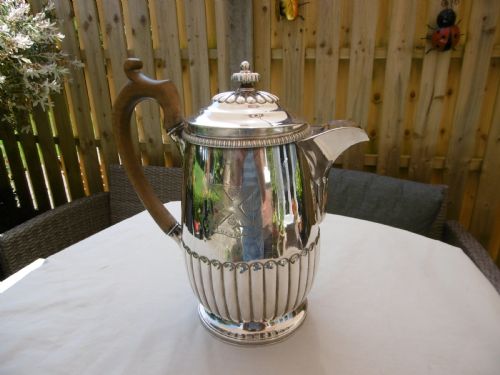
The most common form on this page is the copper or brass samovar or tea urn, often featuring traditional spigots and handles. Alongside these, you find Georgian coffee pots, ewers, and stoneware water vessels.
Origins stretch from English workshops to French and Dutch makers, encompassing both formal silver service pieces and utilitarian stoneware filters.
Materials and construction
Makers shaped these pieces primarily from heavy copper and brass, frequently combining both metals for decorative contrast on samovars and tea urns. Silver, pewter, and stoneware also appear, demonstrating varied manufacturing traditions across the eighteenth and nineteenth centuries.
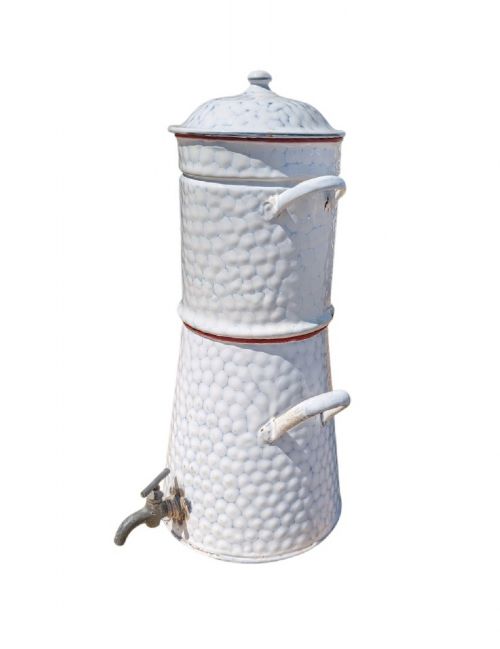
Handles often incorporate bone or wood insulation to protect hands from heat, while enamel coatings provide colourful finishes on later French examples.
Antique Beverage Urn Retail Price Guide 2026
Typical asking prices for beverage urn among the pieces listed under this phrase on Sellingantiques today, from the lower quarter to the upper quarter. They describe what is for sale here now, not the wider market.
Listings feature items spanning the eighteenth, nineteenth, and early twentieth centuries, constructed from copper, brass, silver, and stoneware.
Assessing quality
Quality rests in the weight of the metal, the crispness of applied crests or handles, and the integrity of the spigots and joints. Heavy gauge copper paired with cleanly turned brass fittings marks a superior vessel.
Subtle differences in surface finish and the retention of original internal components distinguish utilitarian kitchen items from fine display pieces made for the Georgian or Victorian table.
Matthew Boulton·Dee Filter Company
The Antique Beverage Urn Glossary
- Samovar
- A heated metal urn traditionally used to boil and heat water for tea, featuring an internal vertical metal tube. These large vessels sit on prominent bases with spigots near the base.
- Ewer
- A large jug with a flared spout and handle, historically used for pouring water or wine. Classical versions emulate ancient Greek ceramic shapes.
- Oinochoe
- An ancient Greek wine jug characterised by a trefoil spout and a single curved handle. Later metal reproductions adapt this ancient form.
- Stoneware
- A robust, vitrified ceramic fired at high temperatures to hold liquids safely. These vessels often served as patent water filters in the nineteenth century.
- Georgian Neoclassical
- A decorative style spanning the eighteenth and early nineteenth centuries drawing on classical Greek and Roman motifs. Pieces feature clean lines, urn shapes, and restrained ornamentation.
Antique Beverage Urn: Frequently Asked Questions
What is an antique beverage urn?
An antique beverage urn is a large metal, ceramic, or silver vessel designed to hold and dispense hot tea, coffee, or water. These pieces date from the eighteenth through the early twentieth centuries.
They served functional roles in large households and public establishments, often acting as the visual centrepiece of beverage service.
How were samovars used?
Samovars were utilised to boil water continuously for tea preparation using an internal heating tube or charcoal chamber. The hot water was dispensed through a small spigot at the base.
They sat on tables during social gatherings to maintain a ready supply of hot water for guests.
What materials are common?
Copper and brass dominate the selection, often used together on samovars and tea urns for structural strength and visual contrast. Silver, pewter, enamel, and stoneware also appear across different periods.
Handles frequently incorporate materials like bone or wood to prevent heat transfer.
How do I date an urn?
Dating relies on stylistic clues, manufacturing techniques, and occasional maker marks or crests. Georgian pieces exhibit classical restraint, while Victorian items often showcase heavier industrial styling.
Material choices, such as late nineteenth-century French enamel, also help narrow the production era.