



Antique Bell Gong
An antique bell gong calls households to dinner or marks the hour with resonance, bringing striking tone and period character into a room.
Antique Bell Gong
When you search for an antique bell gong, you discover pieces designed to summon guests or mark domestic routines across dining rooms and halls. The selections here span the Victorian and Edwardian eras, alongside pieces from the late nineteenth century and the early twentieth century.
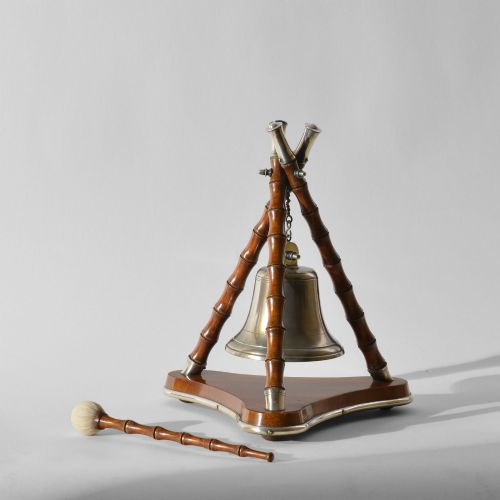
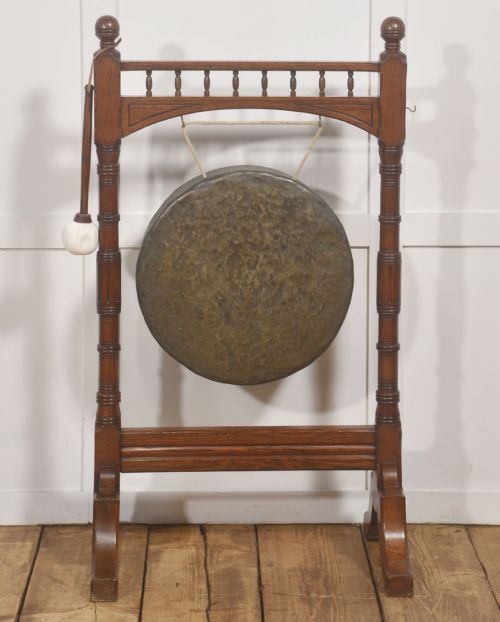
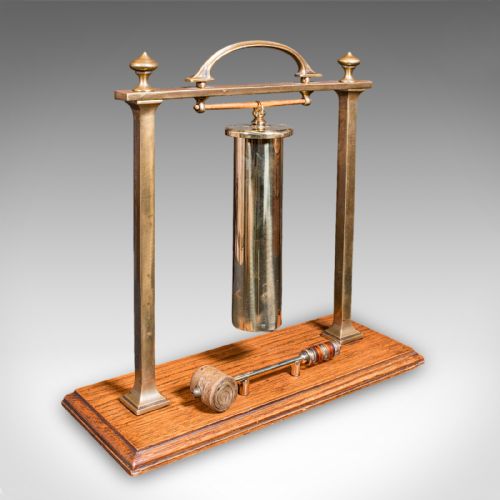
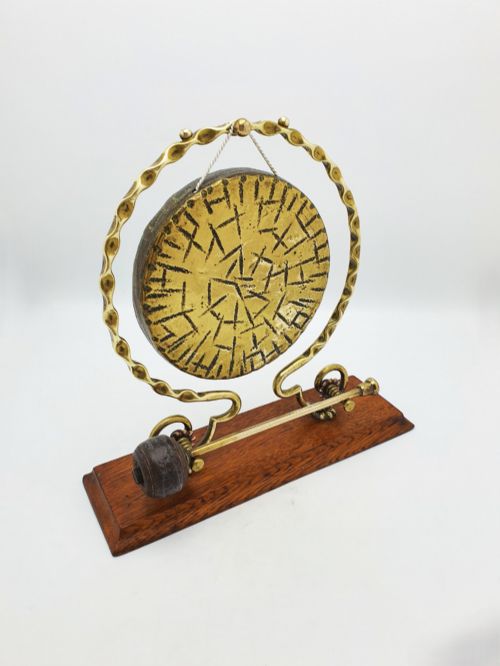
Table gongs and dinner gongs dominate the offerings, often presented on wooden frames or stands designed for display. These domestic pieces frequently incorporate hanging brass or bronze bells paired with handheld strikers.
The styles reflect diverse global influences and domestic revivals, ranging from Anglo-Indian and Oriental designs to Art Nouveau and Gothic Revival. Oak stands and bases appear alongside carved mango wood and ebonised frames, creating varied silhouettes for surface placement.
Materials and construction
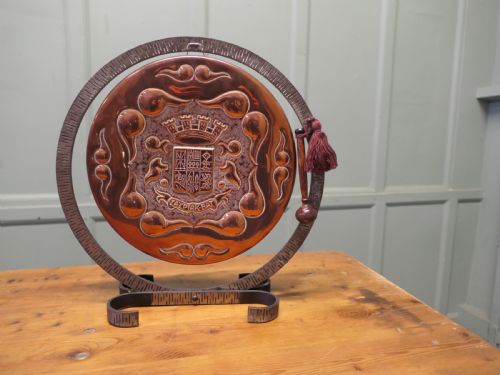
Makers utilised resonant metals like brass, bronze, copper, and silver plating to form the striking elements, ensuring a clear and lasting tone when hit. These metallic components are often hand hammered, engraved, or cast with decorative motifs.
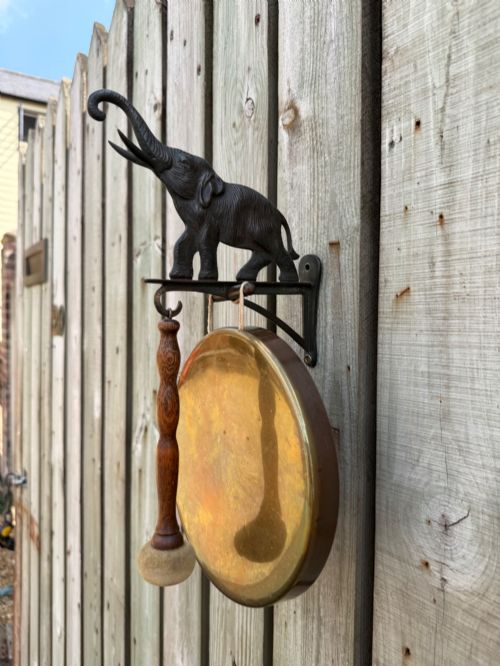
Frames and bases rely on sturdy timbers such as oak, hardwood, and mango wood, providing structural support to suspend the hanging bells. Carving, turning, and joinery shape these wooden mounts, sometimes incorporating thematic details like elephants at the base or oriental carving.
Antique Bell Gong Retail Price Guide 2026
Typical asking prices for bell gong among the pieces listed under this phrase on Sellingantiques today, from the lower quarter to the upper quarter. They describe what is for sale here now, not the wider market.
Some dinner gongs double as clock cases, letting you check the time while waiting for the roast to finish.
Distinctions in quality
The caliber of an antique bell gong rests upon the purity of its metallic resonance and the depth of craftsmanship in its wooden stand. Superior examples display careful hand hammering, crisp engraving, and stable, well-proportioned timber frames that hold the bell securely.
Decorative ambition also separates standard examples from finer pieces, with intricate carving, specialised stylistic motifs such as Art Nouveau lines or Chinoiserie details, and unified design between the striker, bell, and stand elevating the overall presence.
Wm. Gilbert U.S.A.
The Antique Bell Gong Glossary
- Dinner gong
- A suspended metal bell or disc struck with a mallet to announce meals in large houses. These pieces often feature substantial wooden frames designed to sit on sideboards or tables.
- Striker
- The mallet or handheld rod used to hit the bell to produce a tone. They are commonly fashioned from wood with padded or shaped heads.
- Anglo-Indian
- A style reflecting British influence in India, often seen in brassware with intricate engraved patterns. These items combine Eastern decorative techniques with Western domestic forms.
- Japonisme
- The influence of Japanese art on Western design during the late nineteenth century. This aesthetic appears in forms and decorative motifs borrowed from Japanese craft traditions.
- Gothic Revival
- An architectural and decorative style drawing on medieval forms. Pieces in this style utilise pointed arches, heavy timber, and dark finishes.
Antique Bell Gong: Frequently Asked Questions
How do you strike a dinner gong?
You use the accompanying handheld striker to hit the centre of the brass or bronze bell firmly. This produces a resonant tone designed to carry across multiple rooms.
Striking with controlled force protects the metal and the suspending cord from unnecessary wear while releasing the intended acoustic volume.
Where were table gongs placed?
Table gongs sat upon sideboards, entrance hall tables, or dining surfaces where they remained accessible for domestic service. Their compact stands allowed them to function as decorative objects when not in use.
Placement often depended on the layout of the household, serving to summon family members from adjoining drawing rooms or upstairs chambers.
What woods are used in the stands?
Oak is the most common timber found in these stands, providing a robust frame to support heavy metal bells. Other pieces utilise carved mango wood or ebonised finishes for distinct visual effects.
These woods were chosen for stability and their ability to complement the domestic furniture styles of the Victorian and Edwardian periods.
How do you date an antique gong?
Dating relies on stylistic clues such as Art Nouveau curves, Edwardian proportions, or Victorian Gothic detailing present in the metalwork and wooden stands. The specific manufacturing techniques, such as hand hammering or machine casting, also indicate the era.
Inscribed dates, maker marks, or specific material combinations like silver plating provide further confirmation of the period.