

Antique Bedroom Nightstand
These antique bedroom nightstand pieces span Victorian to Art Deco eras, offering practical bedside storage in mahogany, walnut, and satinwood.
Antique Bedroom Nightstand
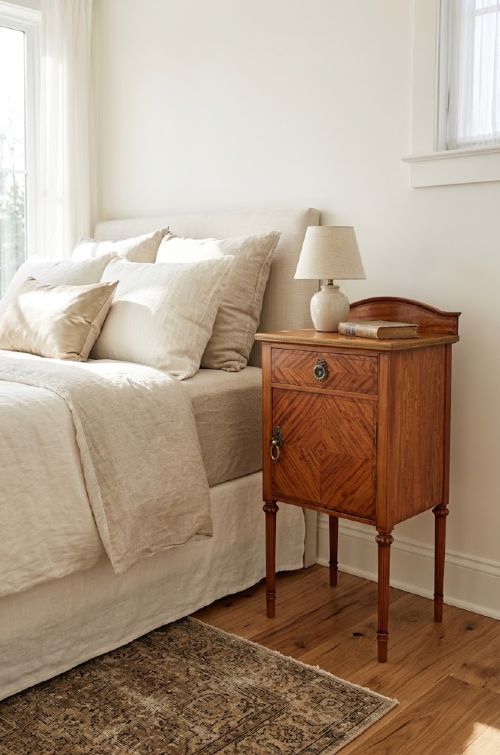
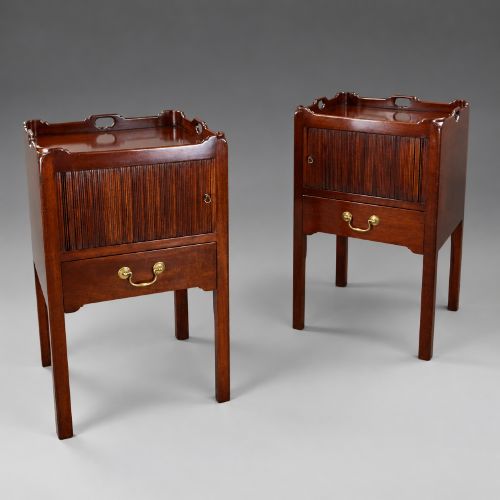
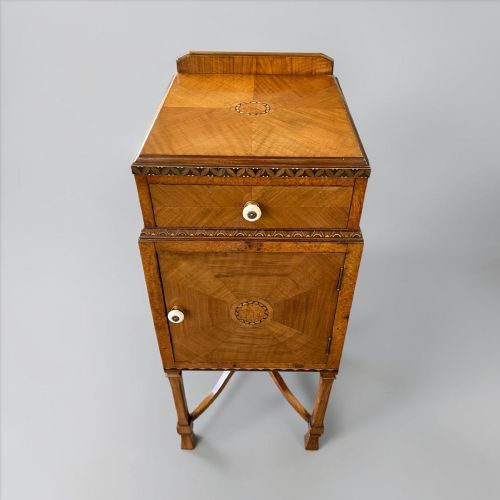
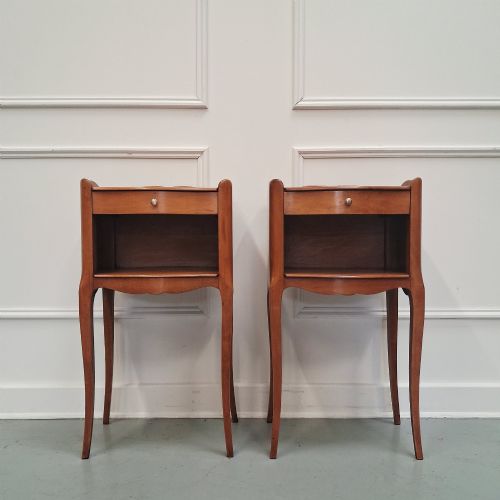
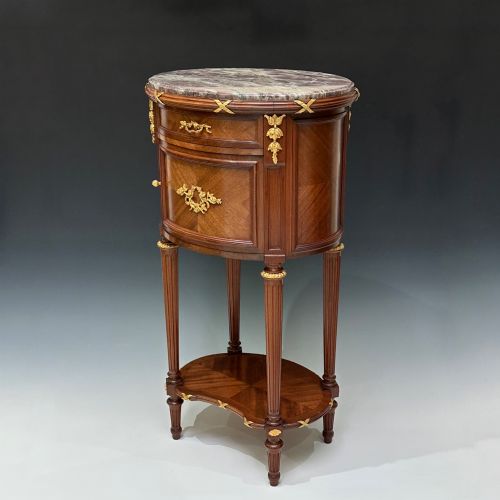
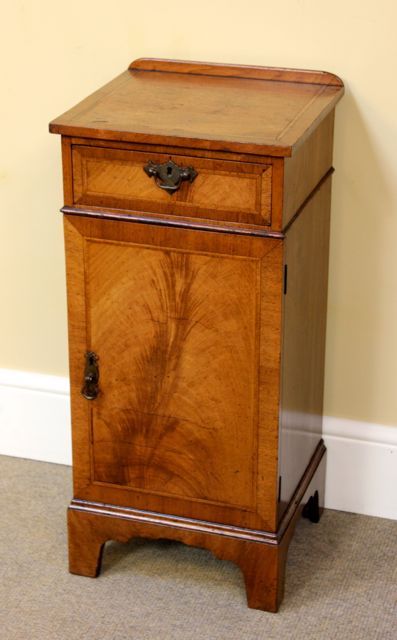
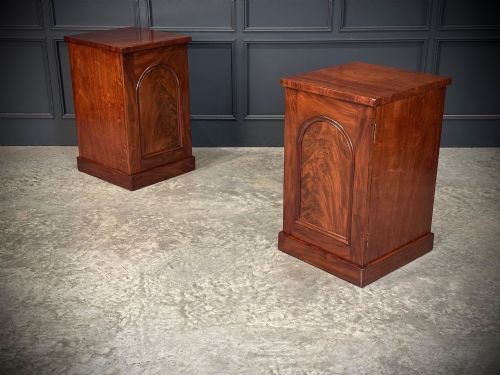
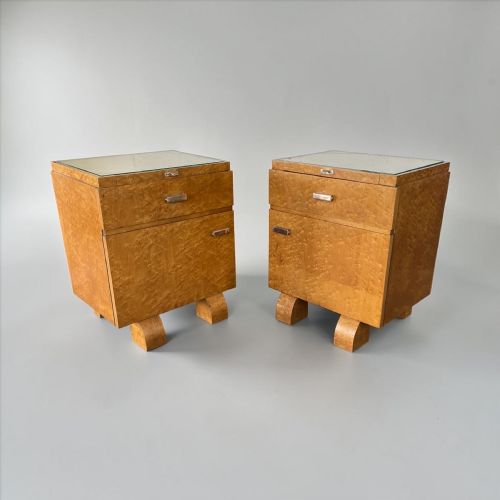
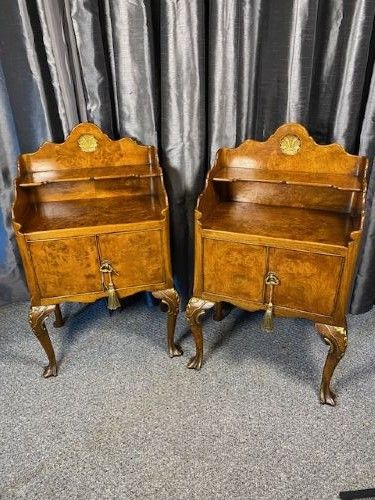
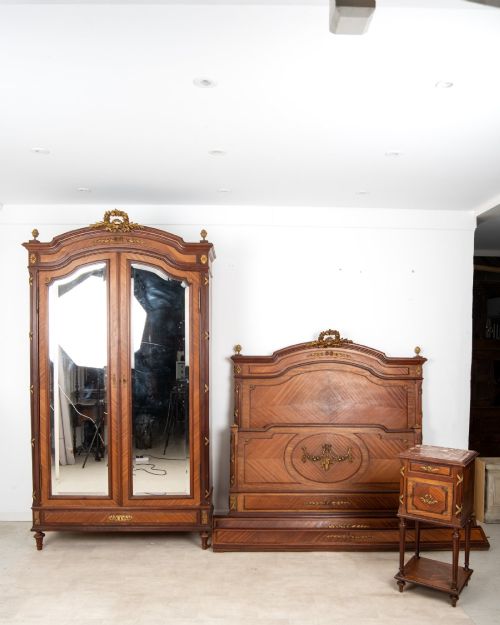
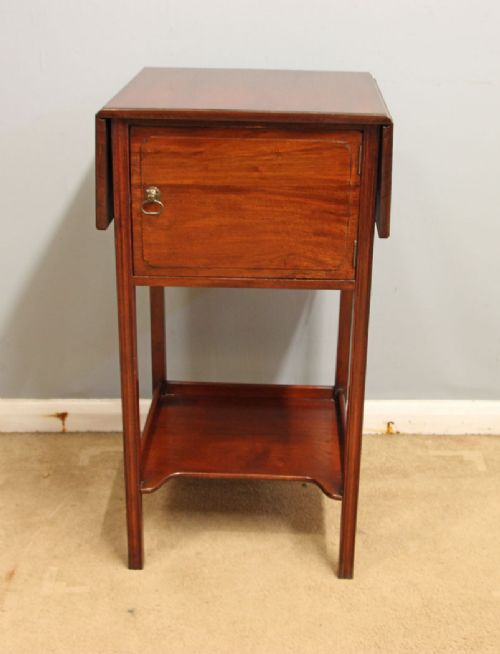
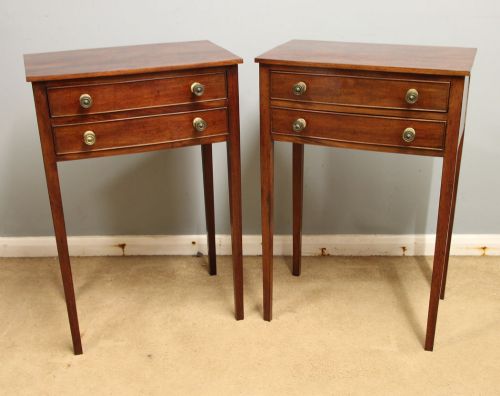
An antique bedroom nightstand appears in forms such as bedside cupboards, cabinets, chests of drawers, and side tables designed for beside the bed. The selection includes individual pieces and matched pairs originating from English and French makers across the nineteenth and twentieth centuries.
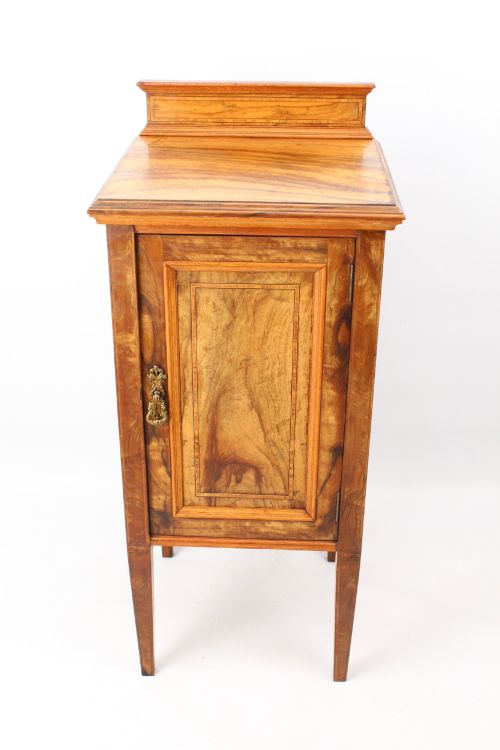
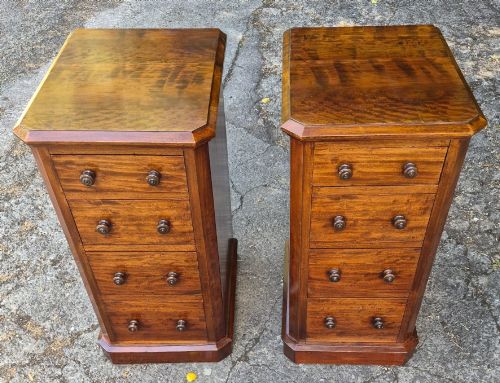
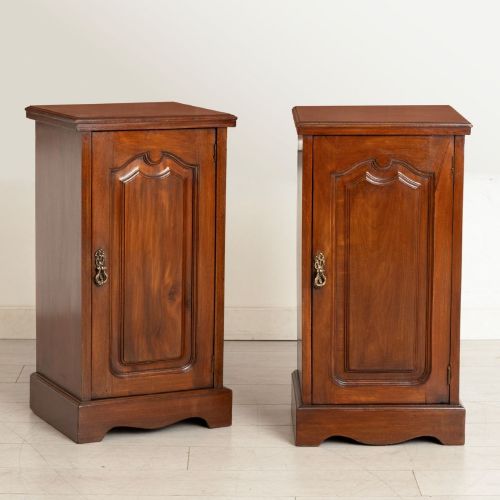
Mahogany and walnut predominate among the forms, often appearing as cupboards with single doors or small chests with multiple drawers. Edwardian satinwood pieces and Art Deco tables provide contrasting styles spanning from the Victorian period through to nineteen thirty.
How they were made
Cabinet makers utilised solid timbers and decorative veneers including burr walnut, flame mahogany, and satinwood applied over sturdy carcases. Brass hardware, marble tops, and delicate inlaid details frequently complete the construction of these bedroom pieces.
French workshops and English cabinet makers employed traditional joinery techniques to build functional bedside storage designed for daily use. Surface finishes highlight the natural grain of the timber, sometimes enhanced with ebonised details or marquetry inlay.
One Edwardian gentleman managed his nightly routine with a dedicated beech bedroom rack functioning as a valet and nightstand.
What varies in quality
Quality separates pieces by the selection of timber figures, such as highly figured flame mahogany or burr walnut veneer matched across the drawer fronts and doors. Finer execution shows in the precision of the inlay work, the weight of the brass fittings, and the integration of inset marble tops.
Proportion and matching also define the better examples, particularly among pairs where timber grain and height align closely. Cabinets retaining original hardware and sound structural joinery stand apart from pieces with extensive adaptations or replaced elements.
François Linke·Maple and Co·Walter Carter Harrods
The Antique Bedroom Nightstand Glossary
- Nightstand
- A small bedside table or cabinet designed to hold lamps and nighttime essentials. These pieces often feature a combination of drawers and cupboards.
- Bedside Cabinet
- An enclosed storage unit with a door opening to reveal interior shelving. They keep bedroom items hidden from view.
- Flame Mahogany
- A wood veneer cut to display a distinctive flame-like pattern across the surface. This figuring is prized for its decorative visual impact.
- Burr Walnut
- Timber taken from a walnut tree growth, yielding a swirling, mottled grain pattern. It appears frequently on Edwardian and Art Deco furniture.
- Satinwood
- A durable hardwood with a lustrous, golden sheen utilised in fine Edwardian cabinetry. It provides a pale contrast to darker woods like mahogany.
Antique Bedroom Nightstand: Frequently Asked Questions
What periods do these nightstands come from?
The pieces span from the nineteenth century through the Edwardian era and into the nineteen thirties. Victorian, Georgian style, and Art Deco designs represent the primary aesthetic periods.
Cabinet makers of each era adapted forms to suit contemporary interior tastes while maintaining practical bedside storage.
Are pairs common in these listings?
Many bedside cabinets and tables are offered as matched pairs for placement on either side of a bed. These pairs share identical timber types, dimensions, and decorative details.
Single pieces also appear frequently for smaller bedrooms or alternative placement beside armchairs.
What timber types should I expect?
Mahogany and walnut form the majority of the available selection, often enhanced with flame or burr veneers. Satinwood and oak also feature in Edwardian and earlier examples.
Selected pieces incorporate contrasting materials such as marble tops and brass handles to finish the design.
How were these cabinets used originally?
Bedside cupboards and chests served to store chamber pots, water jugs, books, and personal items close to the bed before modern plumbing. Enclosed doors kept private possessions neatly out of sight in the bedroom.
Surface tops provided a convenient platform for candlesticks, oil lamps, and later electric lighting.