


Antique Bed Stool
An antique bed stool offers versatile seating and support, combining period character with practical function at the foot of a bed or by a window.
Antique Bed Stool
An antique bed stool encompasses various long stools, window seats, and benches originating from the eighteenth, nineteenth, and early twentieth centuries. These pieces frequently appear in styles such as Victorian, Regency, Edwardian, and French Provincial, serving practical seating roles in bedrooms and hallways.
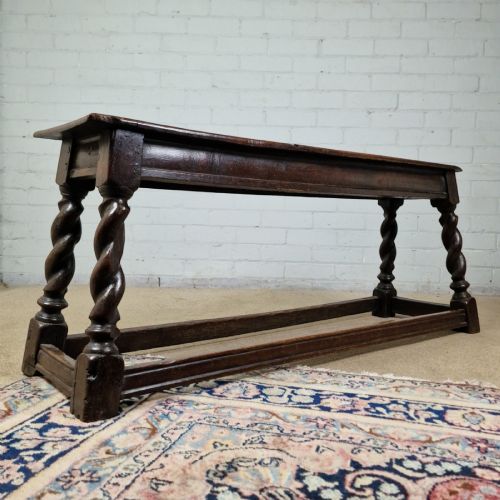
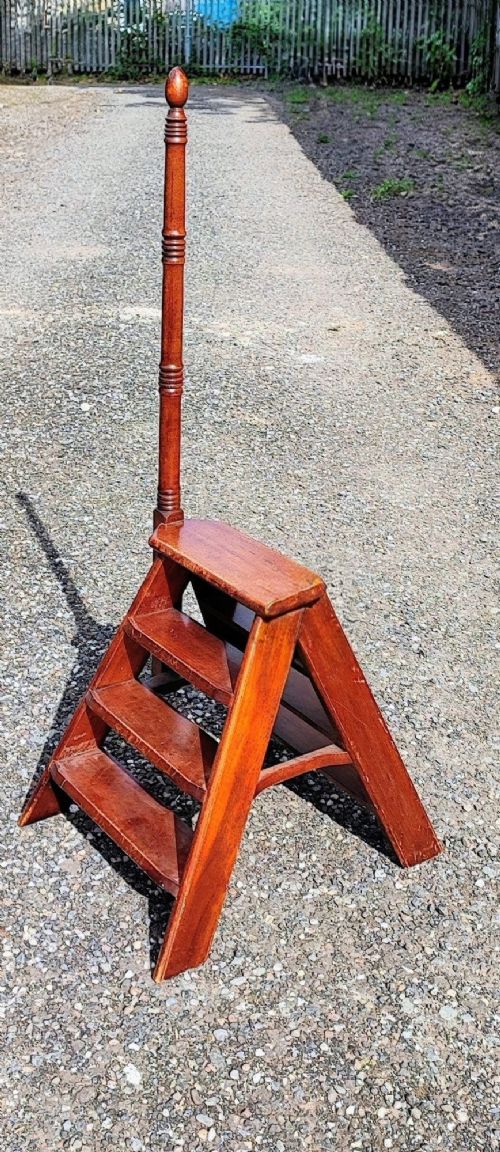
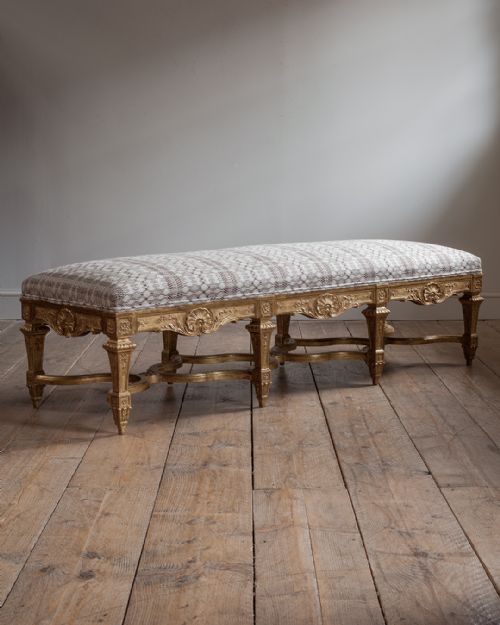
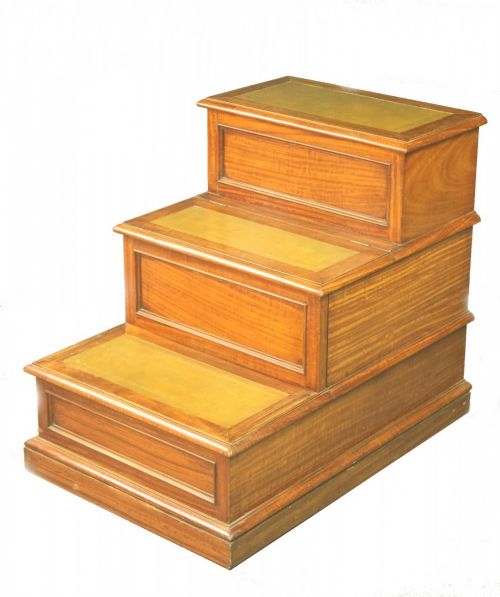
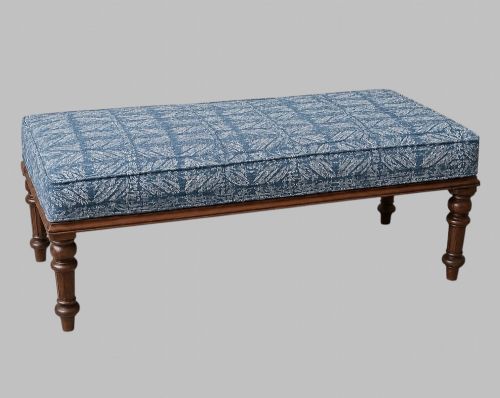
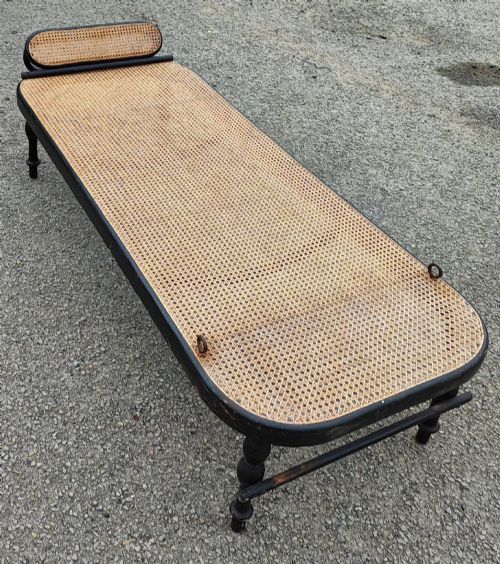
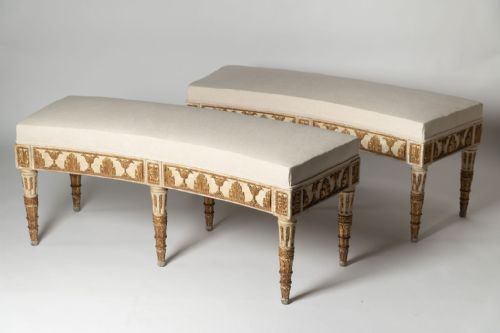
The selection ranges from mahogany library steps and satinwood bed steps to walnut window seats and oak long stools. Makers employed diverse forms, including Louis XIV revival giltwood pieces, cane day beds, and upholstered benches finished in velvet, leather, and linen.
Materials and construction
Carpenters constructed these frames using solid hardwoods like mahogany, walnut, oak, satinwood, and beech, frequently adding carved details, ebonised finishes, or giltwood. Construction often involved sturdy joinery, cabriole legs, fluted legs, and ball and claw details.
Upholstery utilised traditional materials including fabric, leather, velvet, and cane, secured over supportive webbing and stuffing. Many examples feature professional recovering in contemporary textiles such as linen and printed cotton.
The listings show nineteenth-century library steps alongside eighteenth-century oak long stools and Edwardian walnut window seats.
Craftsmanship and proportion
Quality rests in the crispness of the timber carving, the structural integrity of the frame joints, and the balance of proportions. Finer examples display meticulous hand-carving on walnut or mahogany, whilst simpler utility pieces rely on plain turned legs.
The standard of upholstery and the preservation of original or sympathetic materials dictate the finish of the piece. Superior items retain their original brass fittings or period cane work without structural compromise.
J.Jarvis·Robert Kime·William Morris
The Antique Bed Stool Glossary
- Window seat
- An upholstered bench designed specifically to fit the recess of a window. These long stools often feature arms at either end and supportive backrests.
- Library steps
- A set of portable wooden stairs used to reach high bookshelves. These multi-tiered pieces share similarities with bed steps.
- Cane
- Woven rattan material utilised for seat panels and back inserts. It provides a lightweight, resilient surface common in period seating.
- Giltwood
- Timber coated with a thin layer of gold leaf or gold paint. This decorative finish appears predominantly on revival and formal continental pieces.
- Ottoman
- A low, upholstered seat or bench without a back or arms, frequently incorporating internal storage. Large rosewood and walnut variants appear in nineteenth-century rooms.
Antique Bed Stool: Frequently Asked Questions
How were bed stools used historically?
Historically, these low stools provided a convenient seat for putting on shoes or garments at the bedside. They also served as auxiliary seating in dressing rooms and bedchambers.
Larger variants doubled as window seats or resting benches, accommodating bedrooms and dressing spaces where full-sized sofas proved impractical.
Where should I place a bed stool?
A bed stool suits the foot of a bed, offering a balanced silhouette and a practical spot for decorative throws or sitting. They also fit well beneath windows or along bedroom walls.
Their compact proportions allow them to function effectively in hallways, dressing rooms, and alcoves alongside other period furnishings.
How do I identify Regency bed steps?
Regency bed steps typically feature clean architectural lines, flame mahogany veneers, and stepped tiers designed to aid access to high historical beds. Stamped makers' marks may occasionally appear on the woodwork.
Unlike later Victorian steps, Regency examples display the characteristic restraint and classical proportions of the early nineteenth century.