

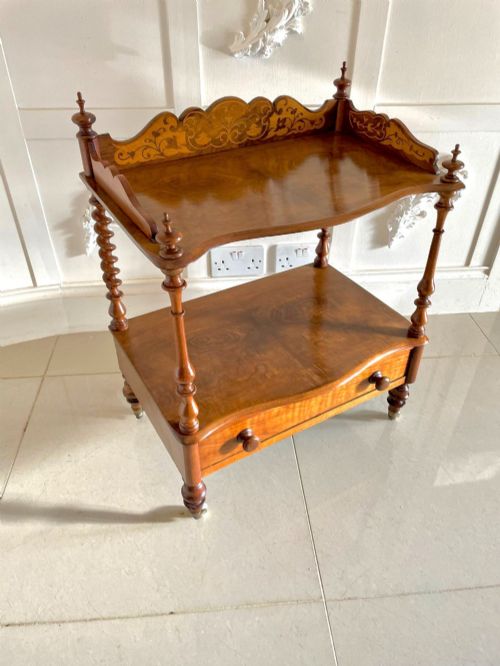


Antique Bed Columns
Antique bed columns bring architectural presence and classical proportion into a room, offering striking vertical lines carved from rich timbers.
Antique Bed Columns
When you search for antique bed columns, you encounter substantial vertical supports salvaged from grand historical sleeping furniture, alongside architectural pieces adapted into stands or lamp bases. These items emerge from the nineteenth century, spanning periods from the Regency era through the Victorian epoch and into the Edwardian years.
The most typical examples on this page are carved mahogany bed posts originating from the Regency and William IV periods, often surviving as matched pairs. They reflect a time when beds formed monumental centrepieces in domestic interiors, displaying robust turning and deep carving.
Other variations appearing alongside these posts include occasional tables, lamp tables, and column stands constructed from the same repurposed elements. These adaptations demonstrate how cabinetmakers and later restorers utilised high-grade timber from dismantled furniture to create functional household objects.
Materials and construction methods
Makers relied heavily on solid mahogany and burr walnut, selecting dense tropical hardwoods that accepted crisp hand-carving and deep turning on a lathe. These timbers were chosen for their durability and rich grain patterns, which were often polished to a high lustre.
Joinery and structural integrity depended on traditional techniques, incorporating pegged joints and heavy screw threads to secure the massive posts to original bedframes. Brass mounts and ceramic components appear in later Edwardian examples, adding contrasting metallic and glazed textures to the timber structures.
Antique Bed Columns Retail Price Guide 2026
Typical asking prices for bed columns among the pieces listed under this phrase on Sellingantiques today, from the lower quarter to the upper quarter. They describe what is for sale here now, not the wider market.
Some nineteenth-century sleepers required columns thick enough to support a small roof over their heads.
Assessing quality in structural fragments
Quality rests principally in the crispness of the hand-carving and the choice of timber figure, where deeply undercut acanthus leaves or spiral reeding demonstrate superior craftsmanship. Plainly turned pine or secondary woods indicate utility pieces, whilst figured mahogany and burr walnut mark the upper tier of production.
Proportion and symmetry dictate desirability, particularly in matched pairs where both columns must balance in height, weight, and turning detail. Adaptation work also influences standing; columns left in their original structural state contrast with those expertly converted into architectural stands or lamp bases.
The Antique Bed Columns Glossary
- Regency
- A style period spanning roughly from the late eighteenth century through the early nineteenth century, characterised by classical restraint and direct inspiration from ancient Greece and Rome. Pieces from this era often display clean lines and bronze mounts.
- William IV
- A British architectural and furniture style dating from the 1830s, known for heavy, robust proportions and bold carving that reflected a national taste for monumental solidity.
- Mahogany
- A durable, reddish-brown tropical hardwood favoured by British cabinetmakers from the eighteenth century onwards for its stability and suitability for intricate hand-carving.
- Architectural salvage
- Elements rescued from dismantled buildings or large pieces of furniture and repurposed for decorative or structural use in interior design.
Antique Bed Columns: Frequently Asked Questions
How were antique bed columns originally used?
These columns served as the main structural uprights supporting heavy wooden tester frames, tester canopies, and fabric draperies on grand beds.
They bore the weight of the upper framework while providing a decorative focal point in formal bedchambers.
How do I display bed columns in a modern room?
Columns can stand vertically in room corners as sculptural architectural elements, or be mounted securely to walls to frame a view or doorway.
Pairs often function effectively when placed on either side of a fireplace or low sideboard to introduce height and formal symmetry.
How do I distinguish Regency columns from Victorian ones?
Regency columns generally display crisper, more restrained classical motifs such as reeding, fluting, and delicate brass inlay inspired by ancient archaeological discoveries.
Victorian columns tend to be heavier and more robustly carved, reflecting the Gothic Revival and grand revivalist tastes of the mid-nineteenth century.
Are these columns solid timber?
The primary structural posts are typically turned from solid timbers such as mahogany, oak, or walnut to support the immense weight of historical bedframes.
Finer decorative surfaces on related cabinet pieces occasionally utilise fine veneers laid over secondary wood foundations.