

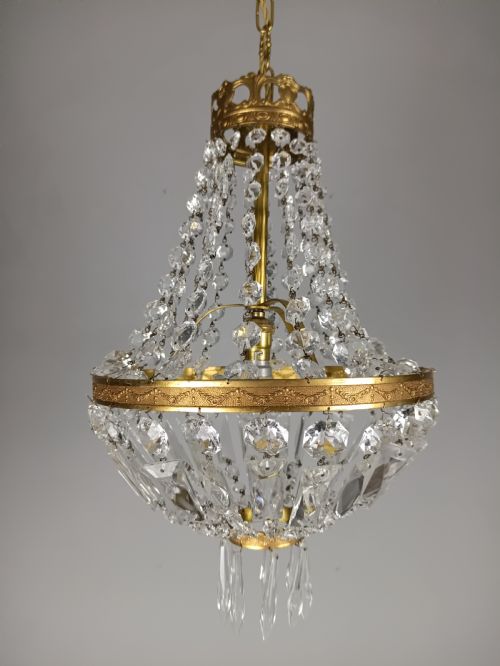


Antique Beaded Light Fixture
An antique beaded light fixture brings layered glass and metalwork overhead, catching light through drops, swags and strands across Edwardian and Art Deco forms.
Antique Beaded Light Fixture
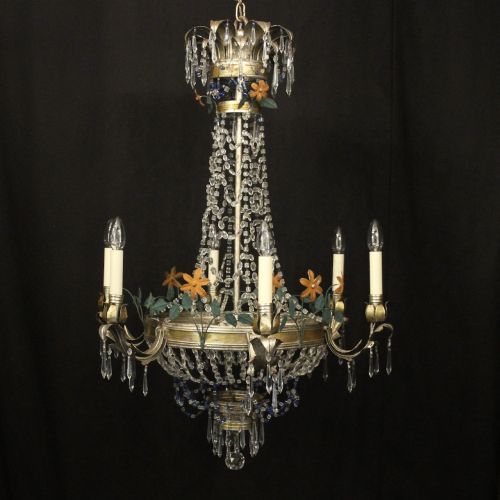
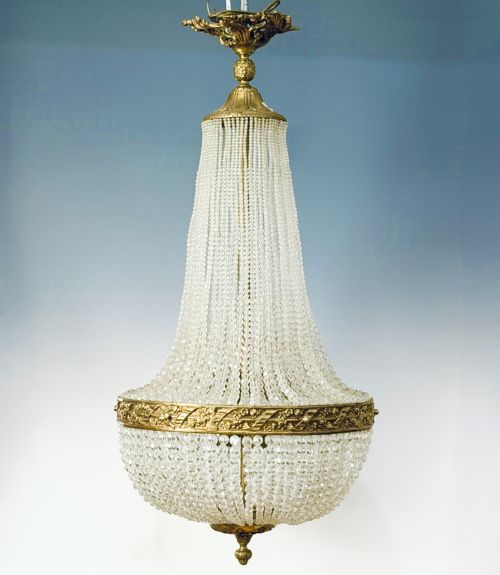
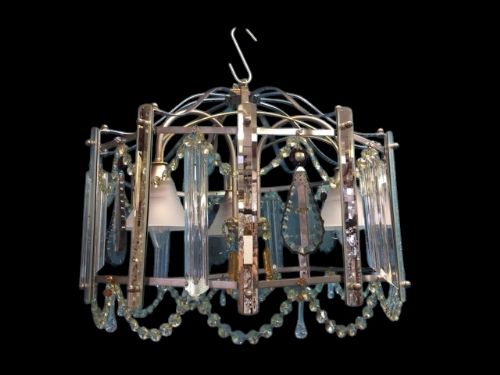
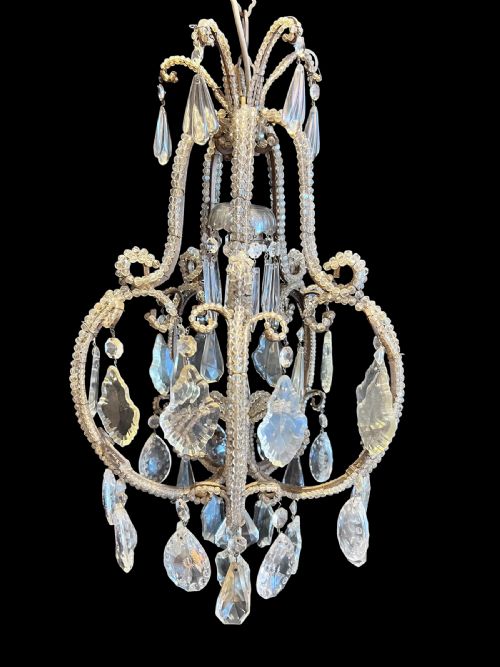
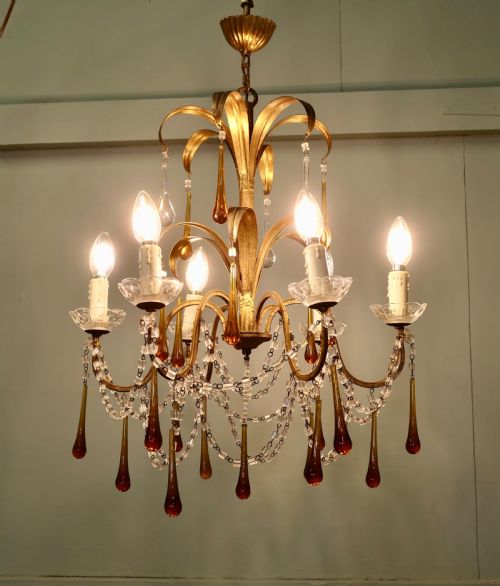
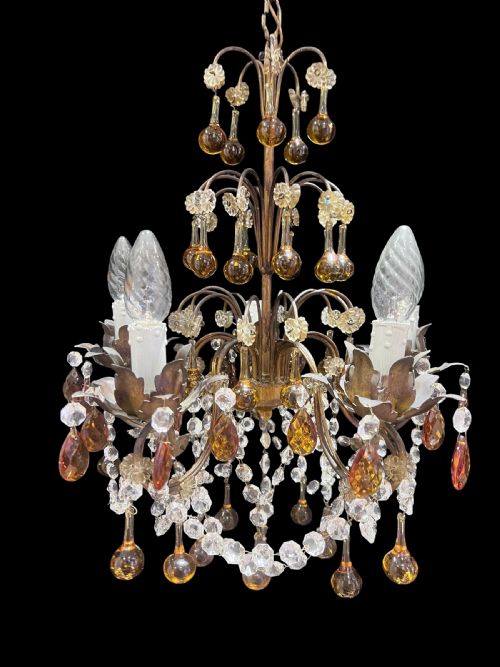
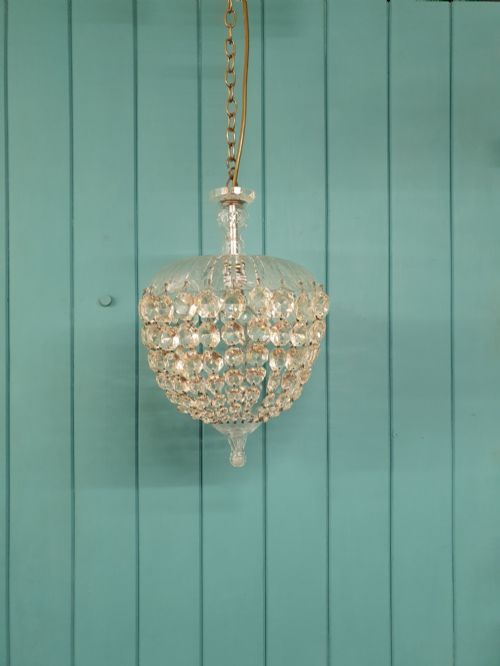
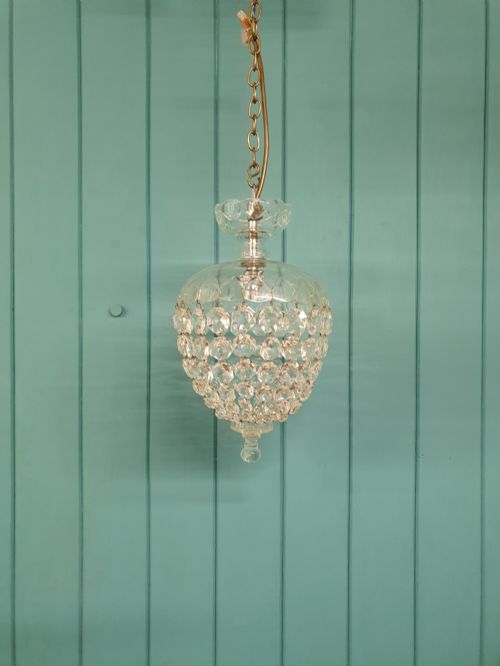
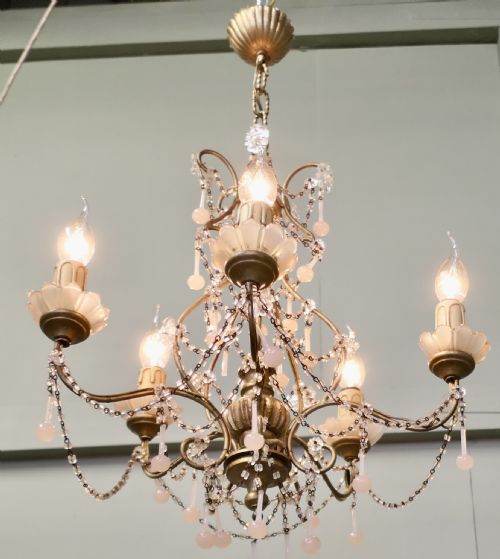
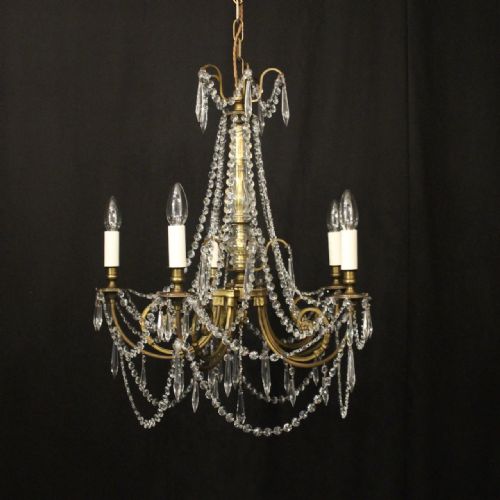
An antique beaded light fixture encompasses chandeliers, pendant lights and ceiling lighting suspended from domestic rooms. Buyers seeking an antique beaded light fixture encounter diverse forms including French tent and waterfall designs, basket chandeliers and Venetian multi-branch lighting.
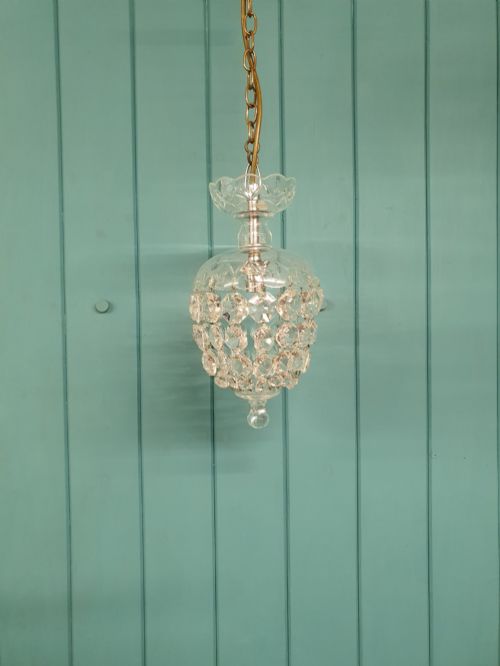
The selection ranges from compact Edwardian dome top fixtures to large Italian Florentine and French brass assemblies. Many pieces date from the early twentieth century, spanning the Edwardian period, nineteen-tens, nineteen-twenties and nineteen-thirties, alongside nineteenth-century examples.
Materials and construction
Makers constructed these frames from brass, gilt metal, wrought iron and bronze, shaping structures to support extensive glass elements. Frames hold strands of beads, crystal glass drops, prisms and cut-glass components wired together.
Italian and French workshops utilised specialised glassworking traditions, incorporating coloured crystals, amber glass and moulded glass bunches of grapes or fruit into the hanging arrangements.
Antique Beaded Light Fixture Retail Price Guide 2026
Typical asking prices for beaded light fixture among the pieces listed under this phrase on Sellingantiques today, from the lower quarter to the upper quarter. They describe what is for sale here now, not the wider market.
Listings feature brass, gilt metal, wrought iron, cut glass and crystal glass across Edwardian, Art Deco and nineteenth-century periods.
Assessing quality and craftsmanship
Quality separates fixtures by the density and cut of the glass elements, from simple pressed drops to finely hand-cut crystal prisms that refract light cleanly. Metalwork execution also distinguishes pieces, where heavy cast brass or gilt bronze frames maintain structural integrity better than lighter alternatives.
The complexity of the arrangement dictates the character of the fixture, with intricate tent and waterfall configurations or beaded arms requiring precise manual assembly by skilled makers.
Wedgwood
The Antique Beaded Light Fixture Glossary
- Bag chandelier
- A lighting fixture featuring a flattened lower basket profile formed of numerous hanging glass beads. This style became popular during the early twentieth century.
- Tent and waterfall
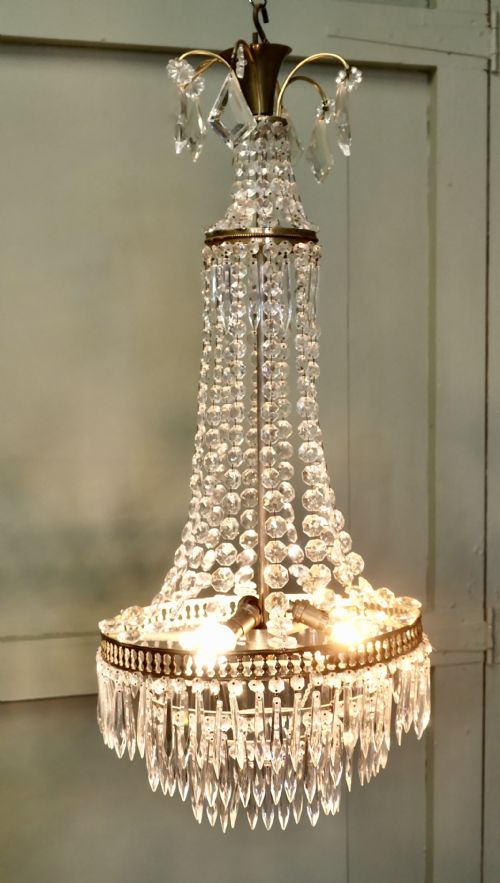
- A chandelier style characterised by an upper conical tent of strung beads cascading down into a wider waterfall of drops. Such designs frequently appear in French brass and crystal lighting.
- Gilt metal
- Metal coated with a thin layer of gold or gilt finish. This treatment imparts a reflective golden appearance to the structural frame.
- Prism
- A cut-glass pendant designed to refract light into spectral colours. These elements hang from arms and rings across Edwardian and period chandeliers.
- Venetian chandelier
- Glass lighting originating from Venice, often featuring coloured elements or organic motifs. These pieces showcase distinctive regional glassblowing techniques.
Antique Beaded Light Fixture: Frequently Asked Questions
How do I hang a heavy antique chandelier safely?
Suspension requires fixing directly into ceiling joists or using a substantial metal hook rated for the weight of the metal and glass assembly. Professional electrical installation ensures the internal wiring supports the lamp bulb count safely.
Ceiling height dictates the drop length, allowing clearance beneath the lowest glass drops or crystal bunches. Smaller dome top and bag fixtures suit standard room heights, while multi-tier tent designs need taller spaces.
What periods do these chandeliers come from?
The available lighting spans the Edwardian era, the nineteen-tens, nineteen-twenties, nineteen-thirties and occasional nineteenth-century examples. French Empire style and Italian Florentine designs appear frequently across these decades.
Distinguishing periods relies on observing frame metals, such as heavy wrought iron in nineteenth-century pieces versus gilt brass in later twentieth-century production. Glass cutting styles and wiring types also help date individual fixtures.
How should I clean glass beads and crystal drops?
Cleaning involves wiping individual glass beads and drops with a mild solution of warm water and professional glass cleaner using a soft cloth. Leaving components attached to the frame prevents wire breakage during the process.
Removing stubborn grime requires unhooking delicate crystal swags to soak them separately. Gentle handling protects the vintage brass or gilt metal mountings from moisture damage.