





Antique Bay Horse Portrait
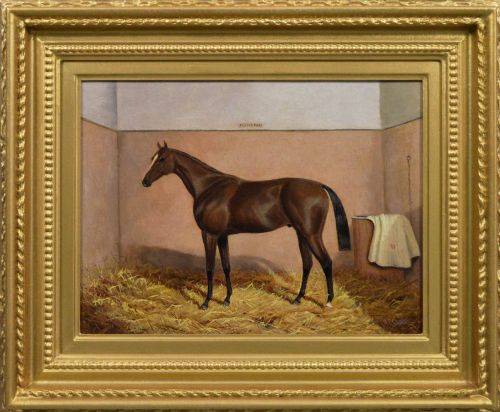
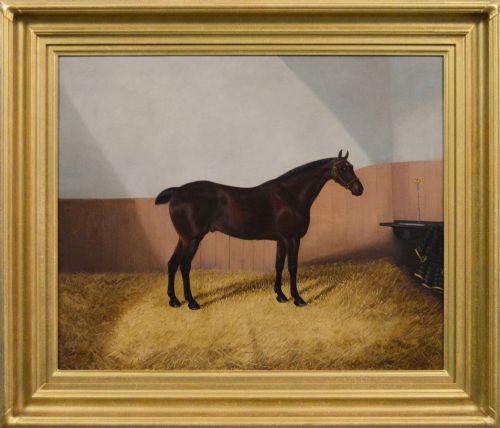
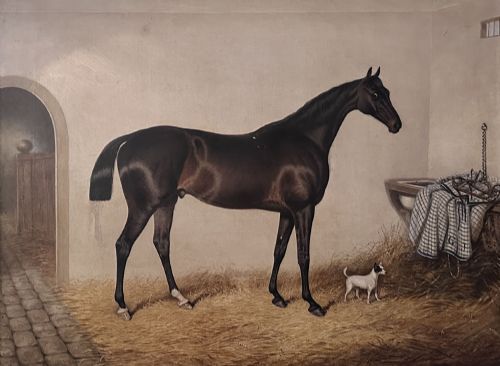
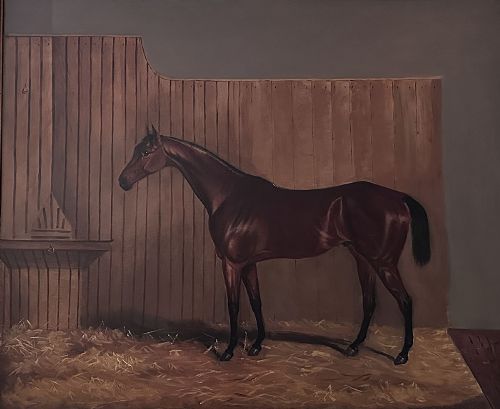
An antique bay horse portrait captures the rich coat and distinct presence of a valued equine subject through period painting.
Antique Bay Horse Portrait
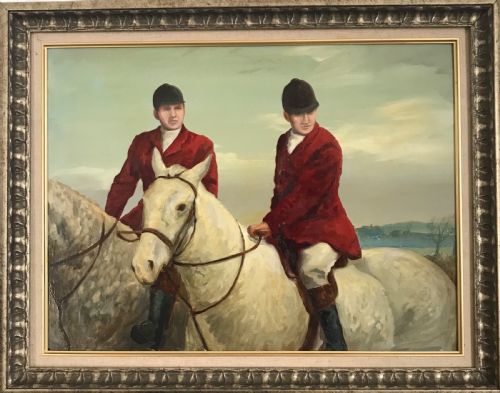
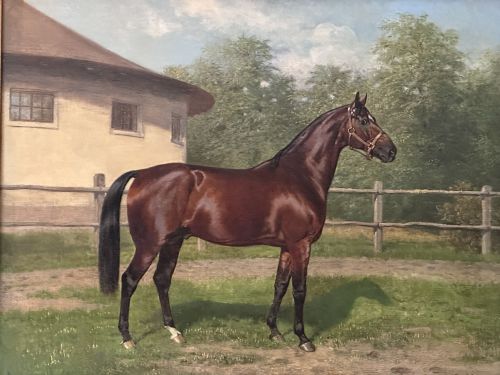
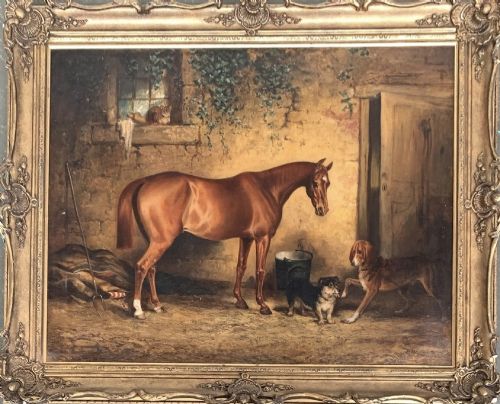
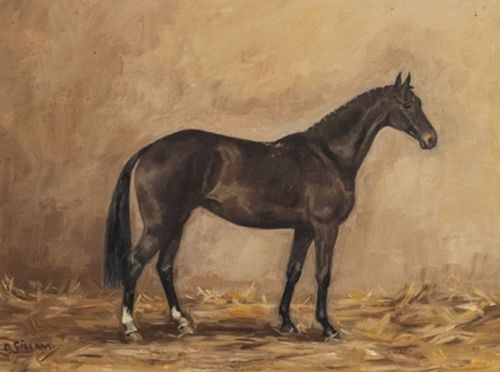
When you search for an antique bay horse portrait, you encounter equine artwork focused on horses with reddish-brown coats and black points. These paintings originate primarily from the nineteenth century and the early twentieth century, spanning Victorian and Edwardian periods.
The subjects appear as individual hunters, named racehorses, or stable studies, often accompanied by grooms or set within English landscapes. You are most likely to meet oil paintings on canvas or wood panels, framed in giltwood.
Makers and regional schools across Britain recorded these animals with careful attention to conformation and character. Collectors find works ranging from anonymous school pieces to named portraits by recognised equestrian artists.
How they were made
Artists painted these works using oil paint applied to prepared canvas, wood panels, or occasionally board. Some examples utilise watercolour and gouache on paper to render the fine details of coat and bridle.
The finished artworks were housed in giltwood or gilt frames, which complemented the warm tones of the bay coat. Pigments were layered to capture the sheen of the horse and the shadowed interior of the stable.
Antique Bay Horse Portrait Retail Price Guide 2026
Typical asking prices for bay horse portrait among the pieces listed under this phrase on Sellingantiques today, from the lower quarter to the upper quarter. They describe what is for sale here now, not the wider market.
Some horses seem to pose directly for the painter with notable patience, while others eye a hidden carrot with deep suspicion.
What varies in quality
The fidelity of the animal's anatomy and the handling of light define the upper tier of these portraits. Master painters captured the muscular tension and intelligent eye of a hunter with precision.
The presence of a known artist signature or specific provenance elevates a piece above anonymous school works. Original giltwood frames and well-preserved stable backgrounds also distinguish the finer examples.
Henry Barraud·Albert Clark·Edward Lloyd of Ellesmere·Benjamin Cam Norton·Alfred Grenfell Haigh·James Barenger·William Edward Millner
The Antique Bay Horse Portrait Glossary
- Bay
- A horse coat colour characterised by a reddish-brown body with black points on the mane, tail, and lower legs.
- Giltwood
- Wood carved and covered with gold leaf or a gold-coloured metallic finish, commonly used for period picture frames.
- Hunter
- A type of horse bred and trained for foxhunting, frequently depicted in nineteenth-century sporting art.
- Equine art
- Depictions of horses across various media, including oil paintings, watercolours, and studies.
- Stable interior
- A common setting for portraiture, showing the animal within its daily quarters alongside tack or straw.
Antique Bay Horse Portrait: Frequently Asked Questions
What is a bay horse?
A bay horse possesses a reddish-brown coat combined with black points on the mane, tail, and lower legs. This specific coloration appears frequently in nineteenth-century equestrian art.
Artists favoured the contrast between the warm coat and dark points when rendering light in stable portraits.
Where were these portraits displayed?
Owners originally displayed these paintings in country houses, estate offices, and stable blocks. They honoured specific hunters, racehorses, and working animals.
Today, collectors place them in studies, libraries, and living spaces alongside other sporting art.
How do I date a horse painting?
Dating relies on the costume of any figures depicted, the style of the giltwood frame, and the painting technique. Nineteenth-century works often feature canvas stamps and traditional stretchers.
Signatures, exhibition labels, and recorded provenance help narrow the decade of creation.
What subjects accompany the horses?
Many portraits show the animal alone in a stable or an English landscape. Others include grooms, army officers, or owners holding the bridle.
Named racehorses often reference specific historical events like the Colombo Races or notable cups.