





Antique Barware Flask
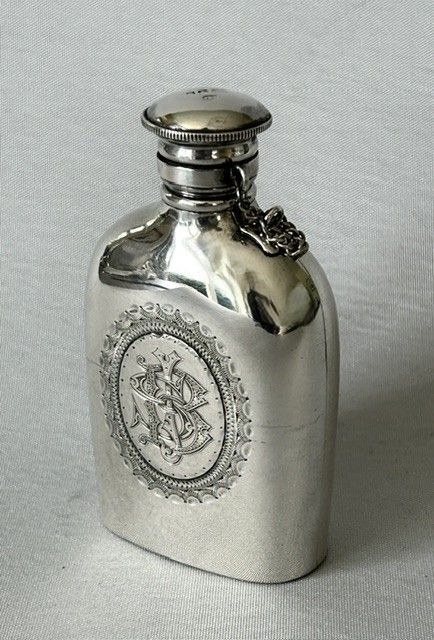
These antique barware flask pieces combine sterling silver, glass and leather to carry spirits in style across Victorian, Edwardian and Art Deco periods.
Antique Barware Flask
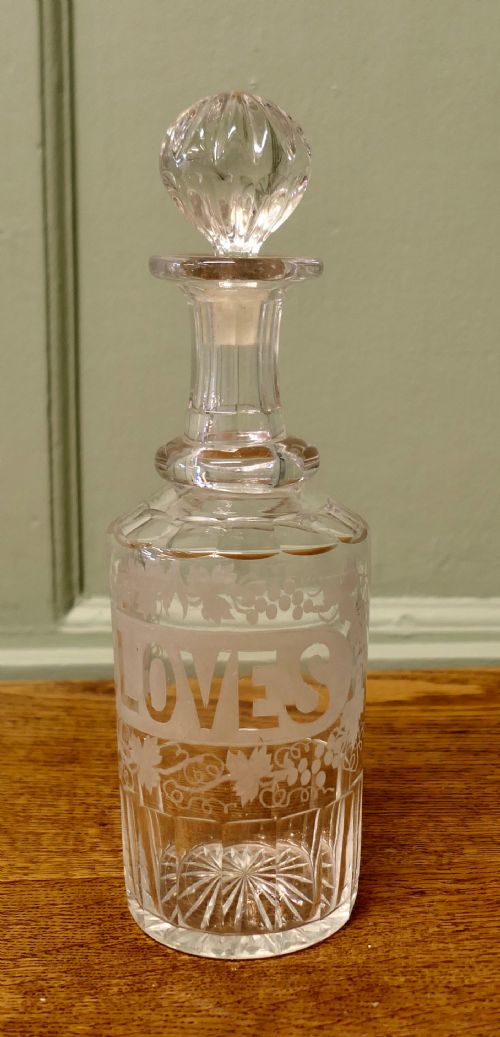
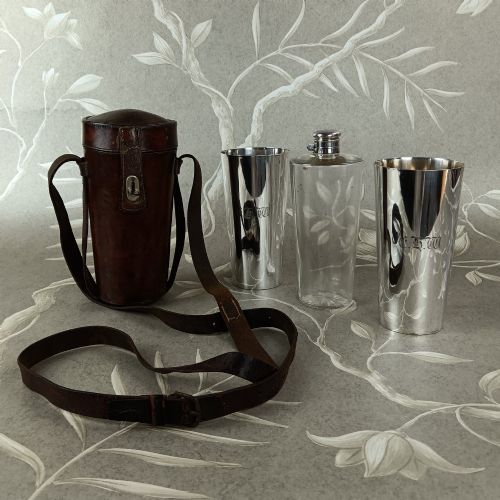
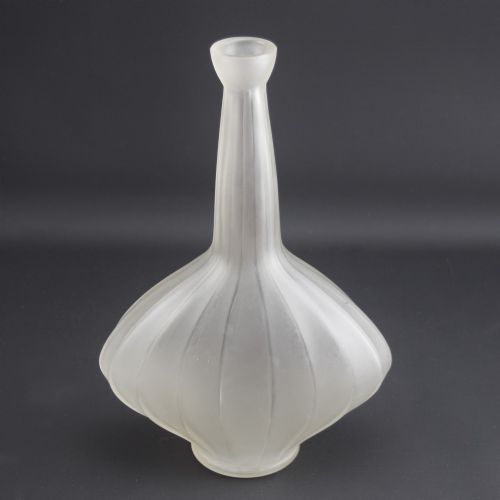
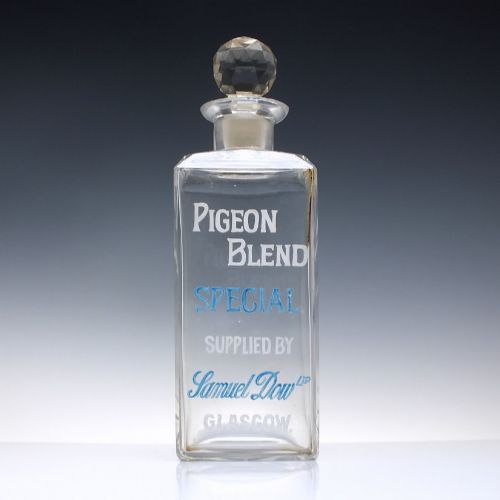
When you search for an antique barware flask, you encounter pocket hip flasks, field campaign spirit sets, decanters and wine dispensers spanning the nineteenth and twentieth centuries. These vessels served travellers, hunters and hosts who needed to transport or pour spirits reliably during social gatherings and outdoor pursuits.
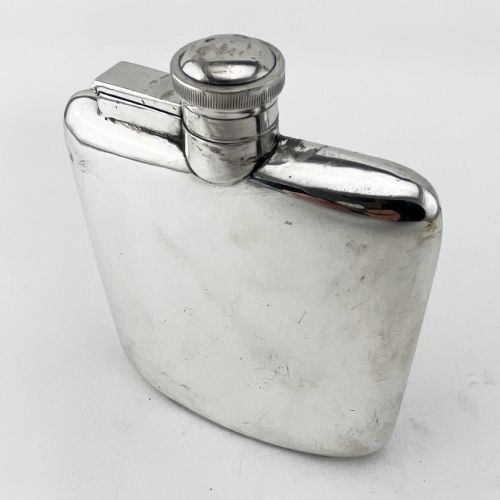
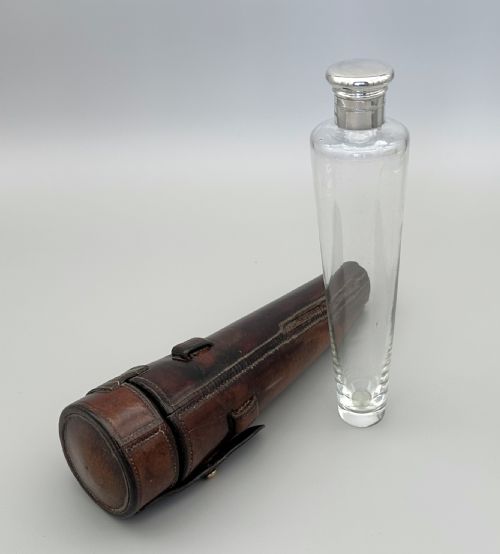
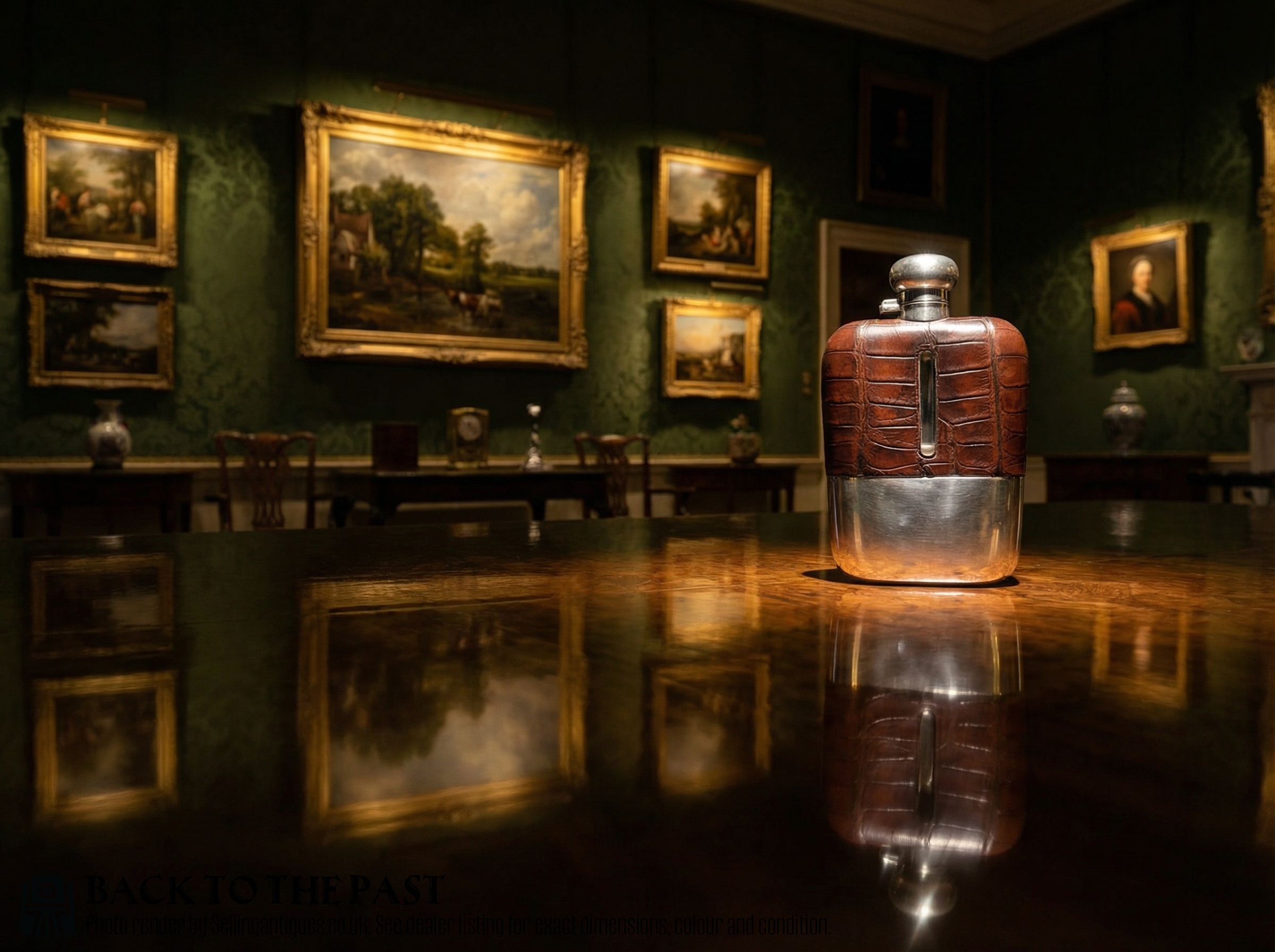
The version you are most likely to meet on this page is the silver-mounted glass hip flask, often featuring a removable cup at the base or a captive cap. Pieces range from plain sterling silver forms to those wrapped in crocodile leather or bound in silver plate.
Origins stretch from Victorian Birmingham and London workshops to Bohemian glasshouses and Scottish distilleries. The selection encompasses compact pocket companions alongside larger locking spirit flasks and table decanters.
How they were made
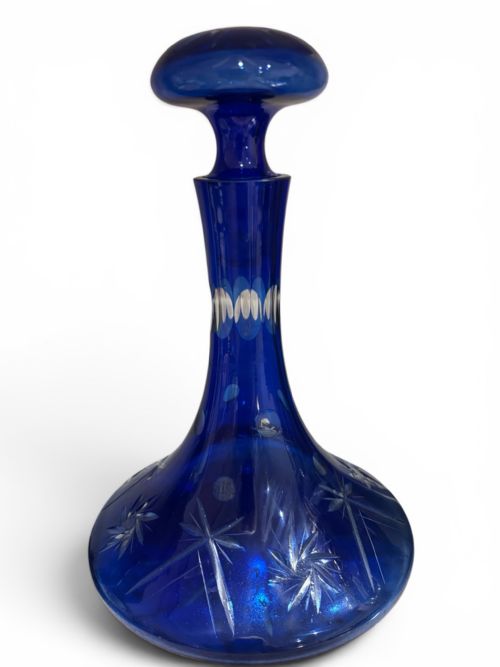
Silversmiths formed the mounts and drinking cups from sterling silver or silver plate, frequently incorporating hinged caps with cork or rubber washers to prevent leaks. Glass bodies were blown, cut or etched into crystal and cobalt vessels designed to withstand daily handling.
Leatherworkers applied crocodile and plain leather casing to glass or metal cores, stitching seams tightly and securing them with metal collars. Makers employed hammering, engraving and wrought iron work to finish surfaces during the Victorian, Edwardian and Art Deco eras.
Listings feature periods from the nineteenth century through the 1940s, spanning Victorian, Edwardian, Art Deco, and George V styles.
What varies in quality
The distinction between ordinary production and finer work lies in the integration of materials and the precision of the metal mounts. Superior examples feature crisp hallmarks, well-fitted removable cups that align flush with the body, and robust hinges that operate without looseness.
Glass quality also separates pieces, with heavy cut crystal and deep cobalt etching showing superior clarity compared to standard moulded glass. The choice of exotic crocodile leather over plain finishes indicates a higher specification intended for affluent patrons.
James Dixon & Sons·Asprey London·William Neale·Elkington·W A Ellwick Ltd
The Antique Barware Flask Glossary
- Hip flask
- A small curved container designed to hold liquor comfortably in a pocket. These typically feature captive screw caps and sometimes include a detachable cup.
- Spirit flask
- A portable vessel for carrying alcohol during travel or field sports. They appear in silver plate, sterling silver and glass configurations.
- Decanter
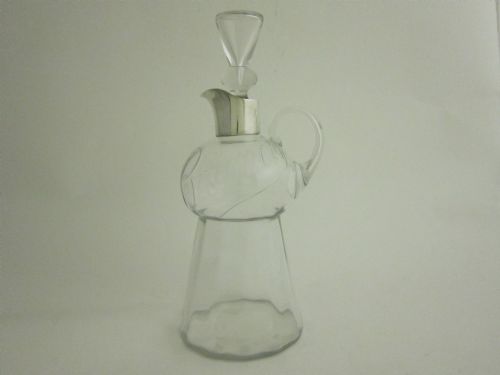
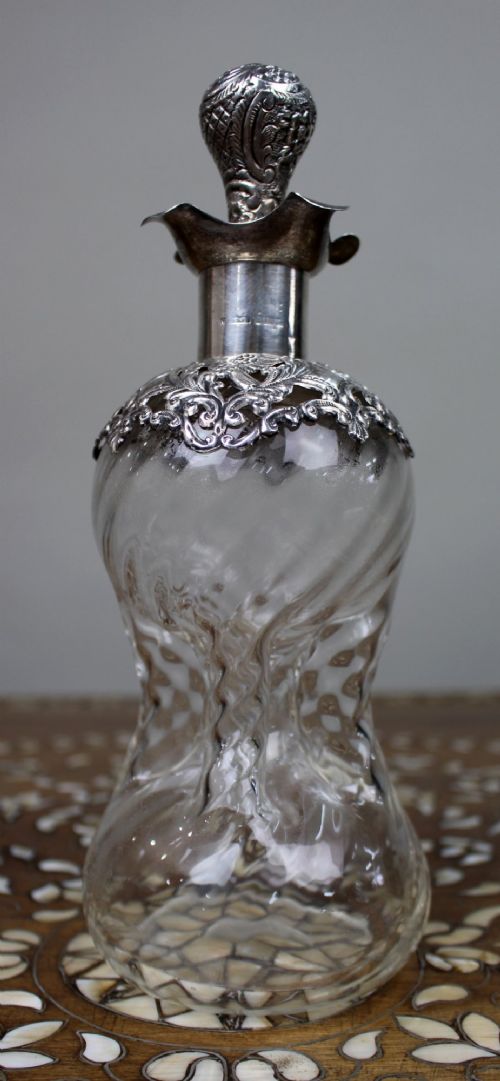
- A decorative glass or crystal vessel used for holding and serving wine or spirits. Examples often incorporate silver collars and stoppers.
- Whisky noggin
- A small spirit decanter or bottle, frequently sold in pairs with a silver cap and a matching label. They sit on sideboards for measured drams.
- Removable cup
- A metal drinking vessel that fits over the base of a hip flask and detaches for use. This design element allows the owner to pour a measure away from home.
Antique Barware Flask: Frequently Asked Questions
What is a hunting flask?
A hunting flask is a specialised spirit container designed to fit into a leather case attached to a saddle or carried during field sports.
These pieces usually feature secure locking mechanisms and heavy glass or metal construction to endure outdoor movement.
How do you clean an old silver flask?
Cleaning requires a soft cloth and a gentle silver polish applied sparingly around hallmarks and engraved decoration. Care must be taken to avoid abrasive materials that can thin the silver plate or scratch the glass.
Internal cleaning involves warm water and mild detergent, ensuring the cork or washer in the cap remains dry and intact.
What is a whisky noggin?
A whisky noggin is a small, single-serving decanter or bottle used for holding spirits on a table or tray. They often come with a hallmarked silver cap and a small spirit label.
Victorian and Edwardian households utilised them for measured hospitality.
How do I date a silver flask?
Dating relies primarily on the assay office hallmarks stamped into the sterling silver mounts. These marks include letters indicating the year of manufacture, alongside maker's marks and city symbols such as the Birmingham anchor or London leopard's head.
Stylistic cues from the Victorian, Edwardian and Art Deco periods further help confirm the era.