



Antique Barware Caddy
An antique barware caddy brings order and display to decanters, bottles and drinking gear, making any sideboard instantly ready for a host.
Antique Barware Caddy
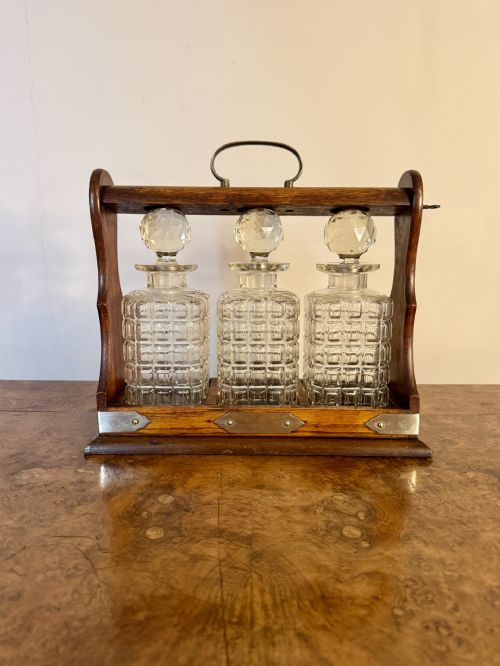
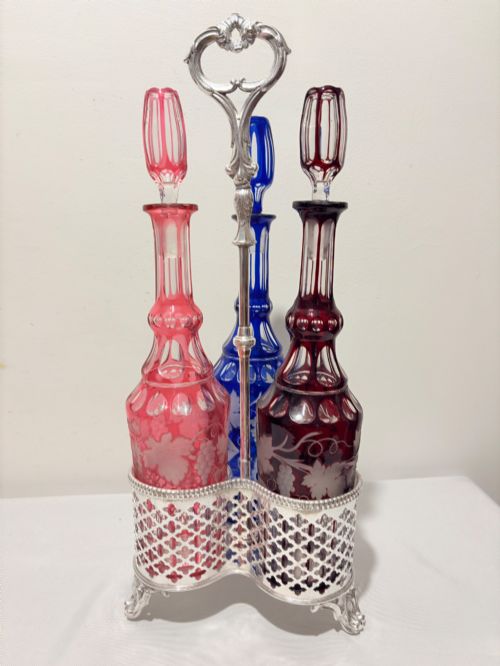
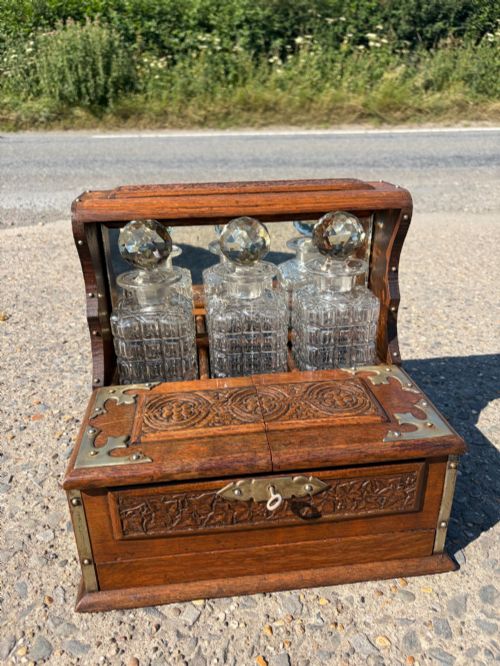
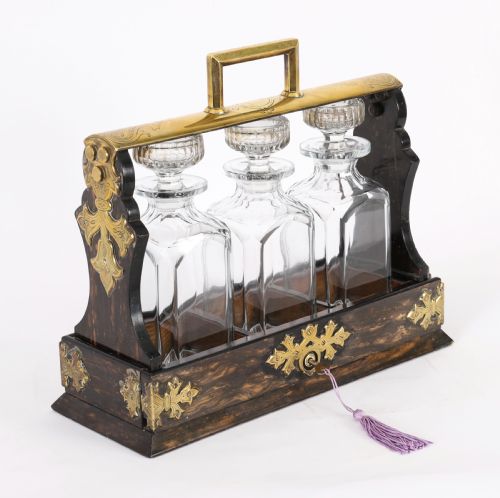
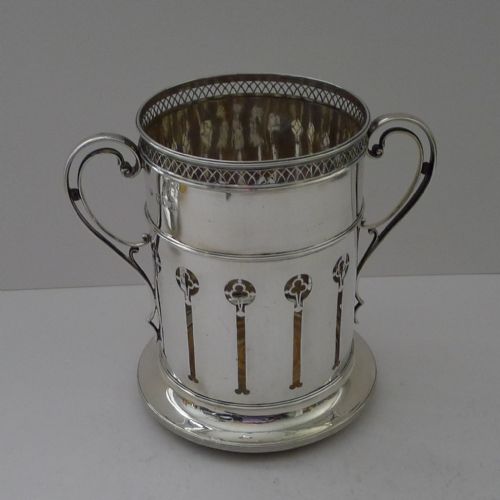
An antique barware caddy encompasses frames, stands, and locking tantaluses designed to hold decanters, bottles, and drinking vessels securely in one place. These pieces range from open silver-plated bottle holders and decanter stands to elaborate locking oak and coromandel tantaluses fitted with cut crystal.
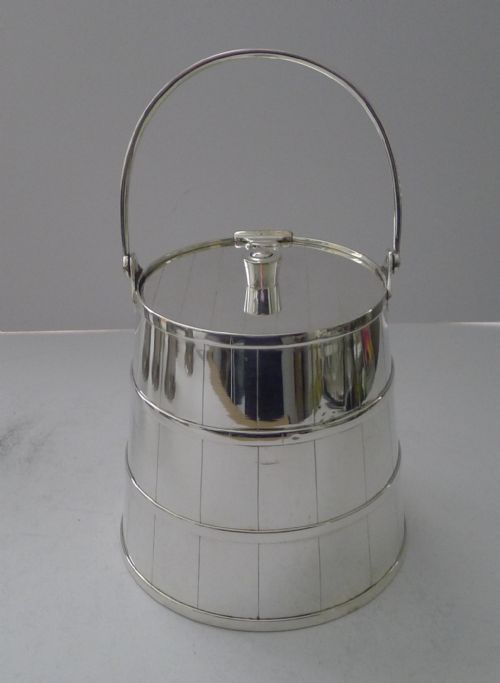
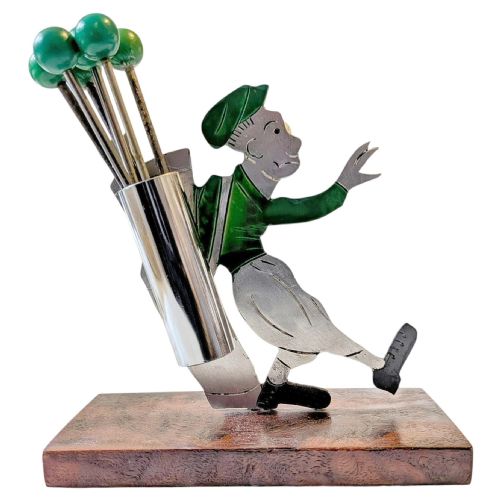
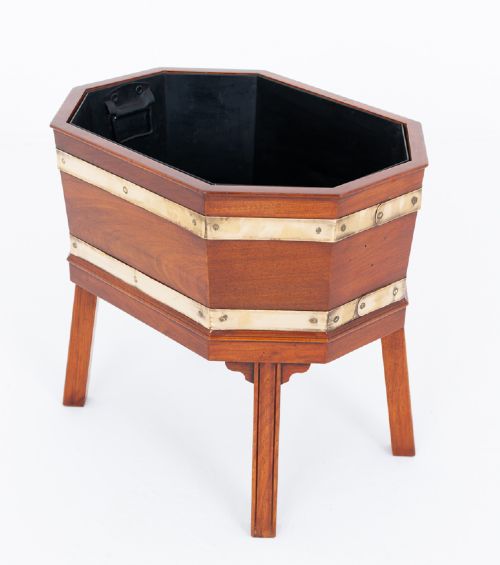
The selections span the Victorian, Edwardian, and Art Deco periods, showcasing utilitarian frames alongside decorative social accessories. Examples include multi-bottle frames, novelty biscuit boxes, wine coolers, and French cocktail shaker sets complete with matching beakers.
Buyers encounter forms made for specific libations, such as whisky caddies featuring ceramic carafes or compartmentalised stands for three or more decanters. The overarching purpose remains the presentation and containment of social spirits and wines within domestic reception rooms.
Materials and construction
Maker workshops utilised substantial timber frames of oak, mahogany, walnut, and coromandel, frequently combining them with cast and silver-plated metal hardware. These woods provided durable structures capable of supporting heavy glass decanters and water jugs.
Silver plate and brass formed the structural mounts, handles, and locking mechanisms that define manytantalus pieces and bottle holders. Cut crystal and frosted glass vessels were shaped to fit snugly within metal or wooden dividers, often accompanied by silver-plated Tot pails and cocktail sticks.
Antique Barware Caddy Retail Price Guide 2026
Typical asking prices for barware caddy among the pieces listed under this phrase on Sellingantiques today, from the lower quarter to the upper quarter. They describe what is for sale here now, not the wider market.
Listings feature timber frames in oak, mahogany, walnut, and coromandel alongside silver-plated metal and cut crystal.
Assessing quality and craftsmanship
Quality rests in the weight of the metal plating, the crispness of the glass cutting, and the precision of the joinery in the wooden chassis. Superior pieces feature heavier gauge silver plate, intricate carving or inlay, and fully operational locking mechanisms that secure the bottles within.
The integration of materials dictates distinction, such as coromandel or walnut veneers paired with precisely fitted three-crystal decanter sets rather than plain oak utility frames. Finer examples also incorporate supplementary games compartments or matched sets of beakers and cocktail hardware.
Maison Barra·Sudre
The Antique Barware Caddy Glossary
- Tantalus
- A locking drink stand that displays decanters while preventing access to the contents without a key. The wooden or metal frame holds the stoppers firmly in place until the mechanism is released.
- Silver Plate
- A base metal, often copper or a white metal alloy, coated with a thin layer of silver. This technique provided the gleaming appearance of solid silver at a more accessible cost for domestic barware.
- Coromandel
- A dense, dark exotic timber with striking contrasting grain patterns. It was frequently utilised for high-end Victorian luxury boxes and tantalus frames.
- Cave de Liqueur
- A French portable liqueur cabinet or caddy containing decanters and small glasses. These fitted interiors preserved fine spirits and glassware for parlour entertaining.
Antique Barware Caddy: Frequently Asked Questions
What is an antique barware caddy?
An antique barware caddy is a dedicated frame, stand, or locking box designed to hold and display decanters, bottles, and drinking vessels. These pieces kept hospitality items organised on sideboards and dining tables.
Designs vary from open silver-plated bottle holders to secure wooden tantaluses fitted with cut crystal decanters and matching glassware.
How did Victorians use a tantalus?
A tantalus was used to store spirits securely in the parlour or smoking room, allowing hosts to display fine decanters while restricting access to household staff or guests.
The locking mechanism trapped the decanter stoppers beneath a metal bar, preventing the bottles from being lifted out until a key was turned.
What materials are common in these pieces?
Common materials include silver plate, brass, cut crystal, and glass paired with cabinet timbers such as oak, mahogany, walnut, and coromandel. Metal mounts and locking bars provide structural support.
Later pieces from the twentieth century also integrate Bakelite and specialised cocktail implements alongside traditional silver-plated frames.
How do I date an antique caddy?
Dating relies on stylistic clues, manufacturing techniques, and materials associated with periods like the Victorian, Edwardian, and Art Deco eras. Heavier oak and coromandel tantaluses typically point to the nineteenth century.
Streamlined metalwork, Bakelite additions, and specific cocktail sets usually indicate early twentieth-century manufacture, particularly around the 1920s and 1930s.