



Antique Bar Seating
These antique bar seating pieces bring practical pub utility and robust domestic character to a room through centuries of sturdy construction.
Antique Bar Seating
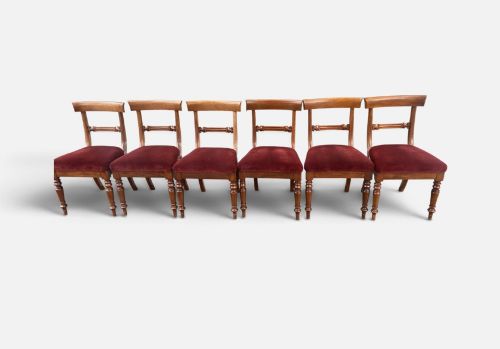
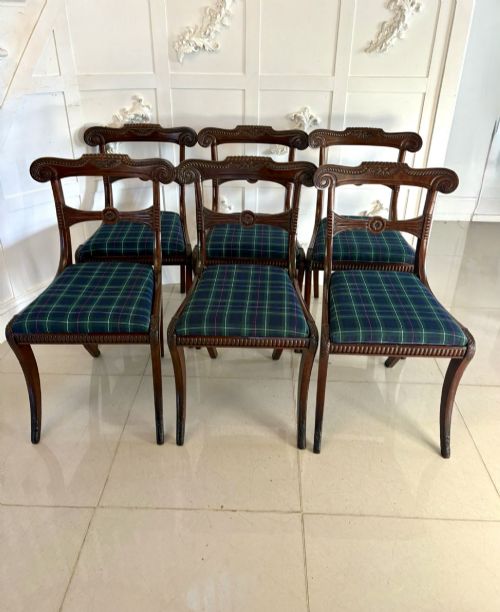
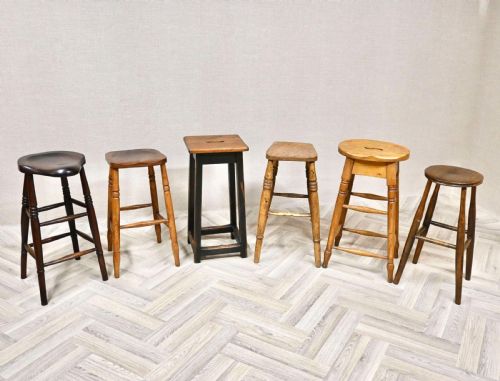
When searching for antique bar seating, buyers encounter a mix of high pub stools, tavern seating, and formal dining chairs with bar backs dating from the Georgian, Regency, and Victorian eras. The selection spans utilitarian workshop creations alongside domestic forms adapted for elevated seating.
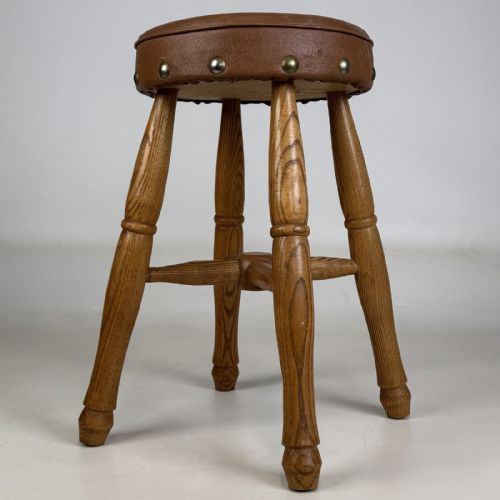
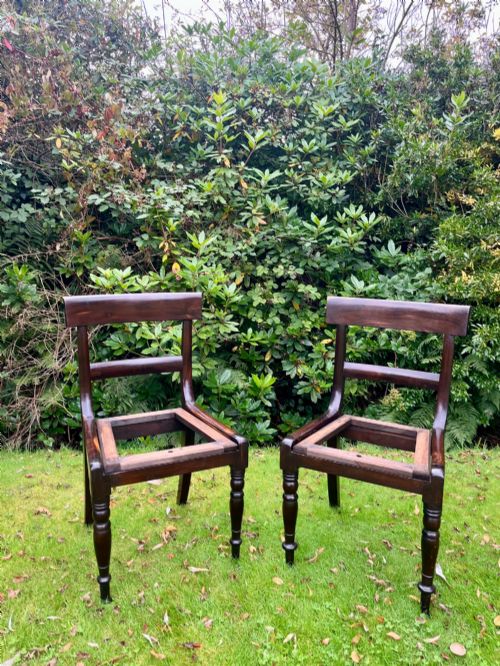
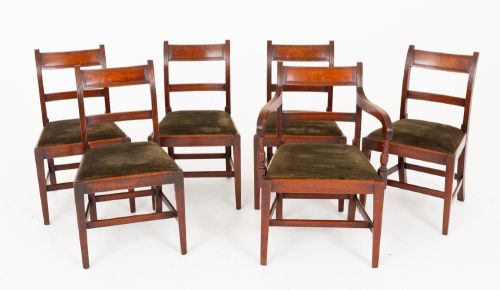
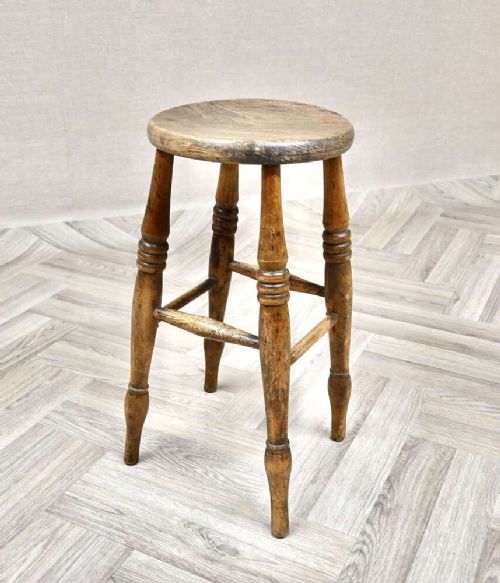
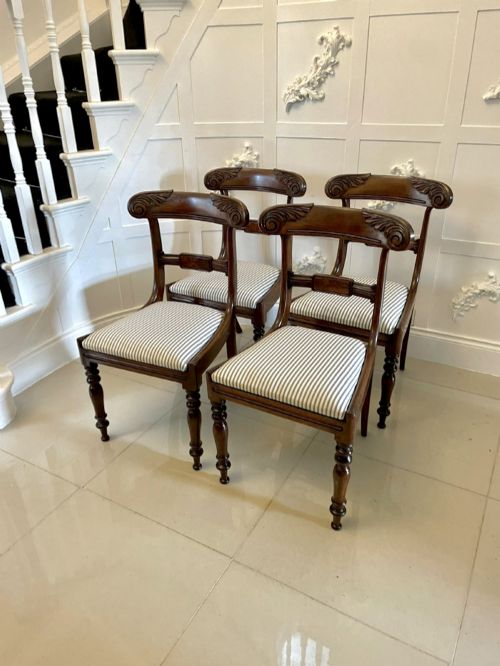
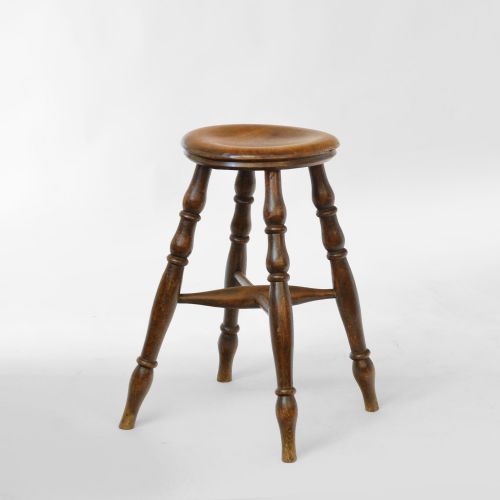
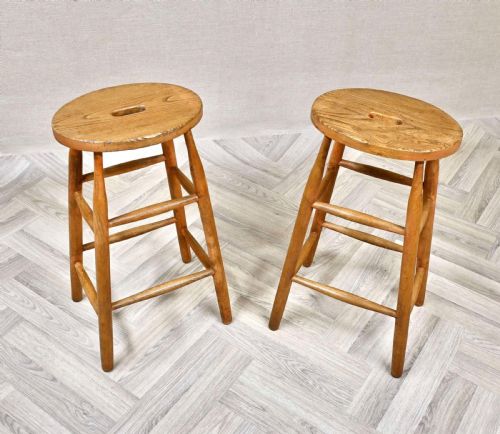
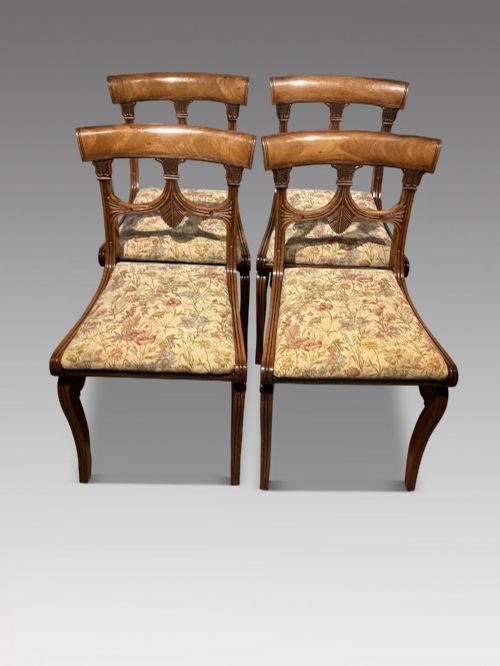
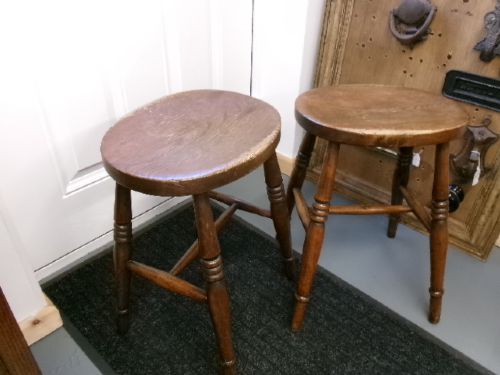
Pub and tavern examples predominantly feature solid timber tops, including dished sycamore and wild elm, supported by tall turned legs designed for heavy commercial use. Alongside these, dining chairs bearing bar back designs from the nineteenth century offer a related aesthetic lineage rooted in the same periods.
Materials and construction
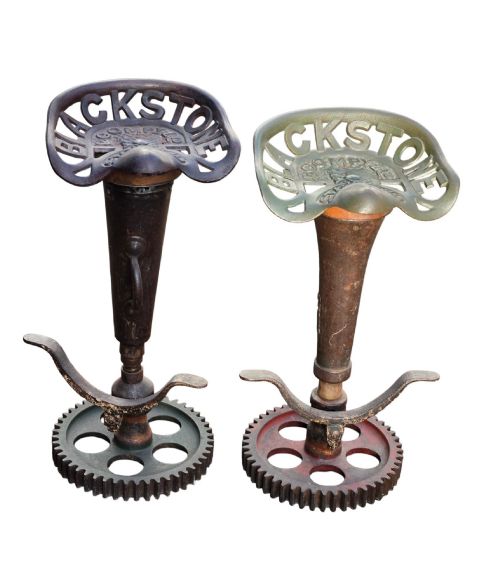
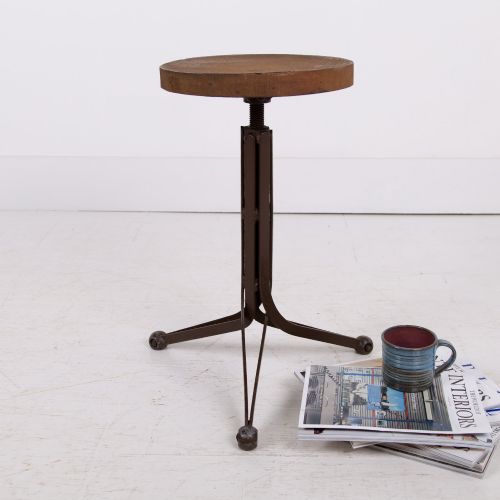
Construction relies heavily on dense hardwoods such as mahogany, oak, elm, and beech, selected for their structural resilience under constant physical stress. Industrial variations integrate cast iron seats and gear cog bases with riveted metal to provide industrial-grade stability.
Joinery methods combine traditional turning, brass studding, and robust framing techniques to ensure longevity. Timber components frequently display natural grain patterns enhanced by age, whilst metal elements utilise heavy-duty casting methods.
Antique Bar Seating Retail Price Guide 2026
Typical asking prices for bar seating among the pieces listed under this phrase on Sellingantiques today, from the lower quarter to the upper quarter. They describe what is for sale here now, not the wider market.
Materials span traditional hardwoods like elm and mahogany alongside functional brass studs and riveted metal.
Evaluating standard
Quality rests in the integrity of the timber selection and the honesty of the surviving structure, where untouched patination outweighs cosmetic restoration. Pieces that retain their original cast-iron mechanisms or uncompromised dished wooden seats command higher regard.
Proportion and weight dictate the grade of each piece, distinguishing utilitarian workshop leftovers from finely turned domestic examples. Grain definition in woods like laburnum and mahogany further separates standard utility items from superior workshop output.
Blackstone and Co
The Antique Bar Seating Glossary
- Bar back
- A chair design featuring a horizontal wooden slat across the upper backrest that resembles the shape of a pub rail.
- Dished top
- A wooden seat carved with a shallow circular depression for comfortable seating during long hours.
- Sabre leg
- A curved, outwardly sweeping chair leg tapering towards the foot, commonly seen on Regency seating.
- Laburnum
- A dense, decorative hardwood prized for its rich contrasting dark heartwood and pale sapwood figure.
- Windsor chair
- A traditional wooden seat construction featuring turned spindles slotted directly into a thick solid wooden seat.
Antique Bar Seating: Frequently Asked Questions
How do I style a bar stool?
Antique bar stools integrate effectively beside modern kitchen islands or breakfast counters to introduce historical warmth and texture.
Pairing industrial metal designs with wooden seating creates a balanced contrast within contemporary living spaces.
Are bar back chairs comfortable?
Bar back dining chairs provide sturdy lumbar support through their characteristic horizontal wooden back rails.
They function well for formal dining settings while maintaining a visually light profile around the table.
What woods were used?
Maker workshops utilised dense indigenous hardwoods including mahogany, oak, elm, beech, and sycamore for framing and seats.
Industrial variants occasionally incorporated cast iron for structural bases and heavy seating components.