




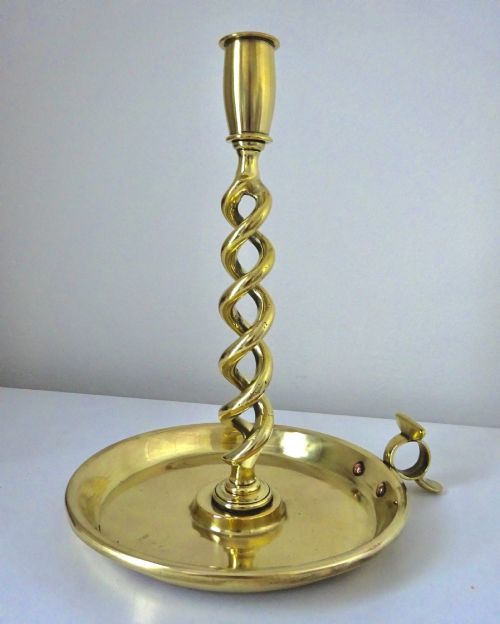


Antique Banker Light
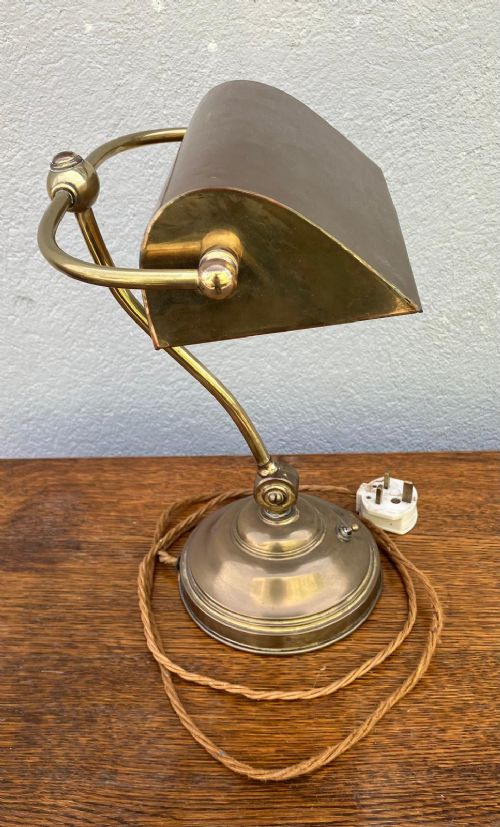
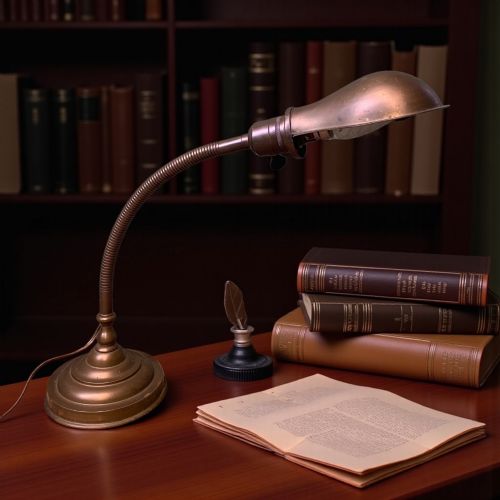
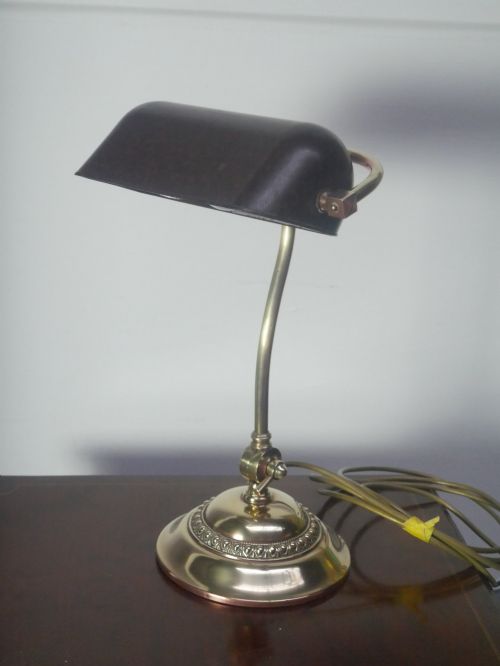
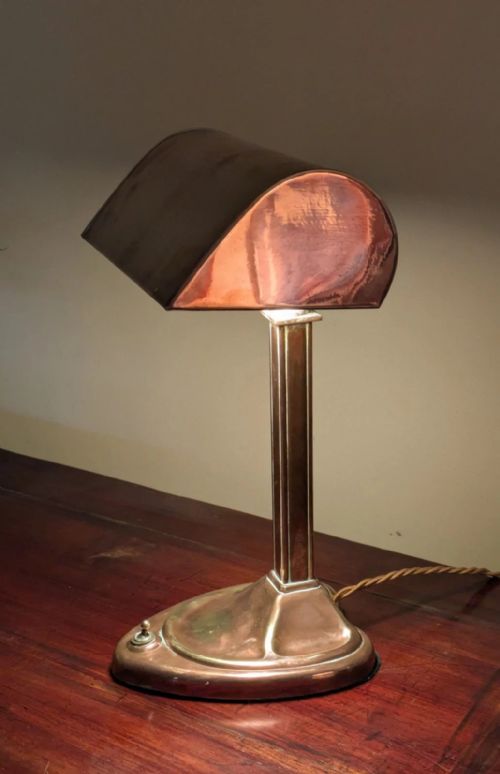
An antique banker light brings robust metal engineering and focused illumination to a desk, satisfying both utility and period style.
Antique Banker Light
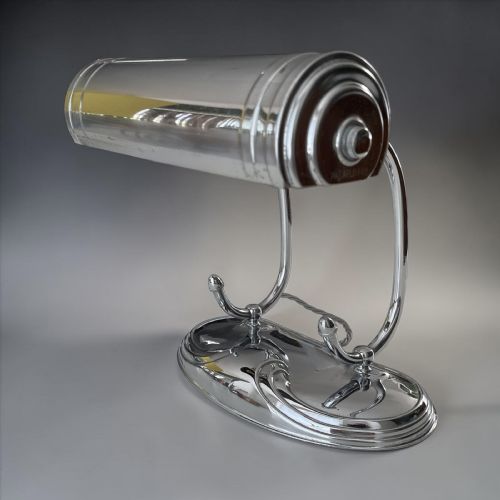
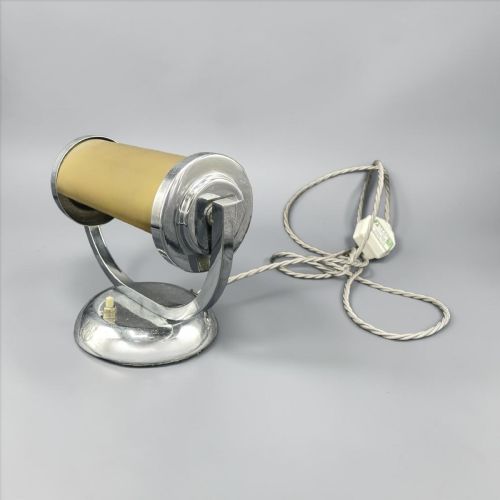
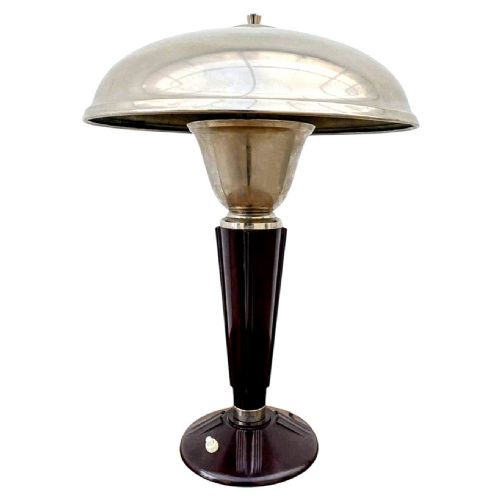
An antique banker light primarily functions as a task lamp for a desk or workspace, appearing in forms such as desk lamps, table lamps, and notary lamps. The evidence shows these pieces spanning periods from the nineteenth century through the 1930s, encompassing styles like Art Deco, Edwardian, Victorian, and Arts and Crafts.
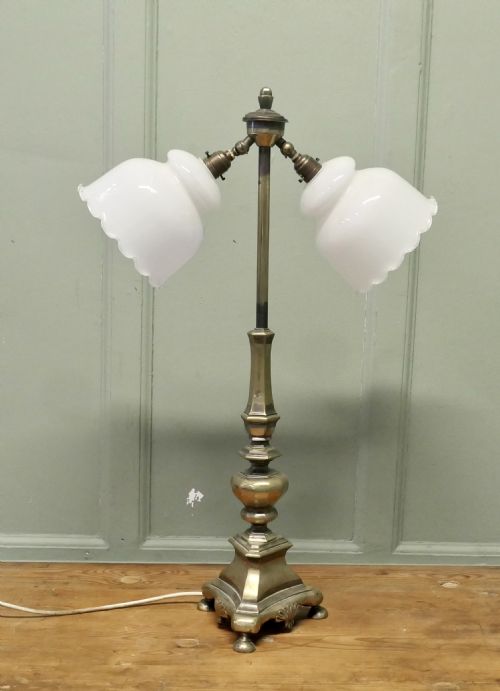
Buyers meet varied iterations on this page, including brass twin angled reading lamps, copper adjustable desk lamps, and bronze notary lamps with frosted glass. Alongside traditional lighting, the selection occasionally includes related items like oak desk chairs and chests of drawers from the same eras.
How they were made
Maker construction relies heavily on durable metals such as brass, bronze, copper, and chrome, often combined with glass elements like frosted glass, opaline, and glass cabochons. Manufacturing techniques utilise articulated joints, swan necks, and adjustable frames to direct light precisely where needed.
Surface finishes and detailing incorporate patinated brass, gilt bronze, painted toleware, and moulded bakelite components. Electrical and mechanical adaptations integrate flexible tubing and heavy cast bases to support functional desk placement.
Antique Banker Light Retail Price Guide 2026
Typical asking prices for banker light among the pieces listed under this phrase on Sellingantiques today, from the lower quarter to the upper quarter. They describe what is for sale here now, not the wider market.
Some desk lamps arrive paired with unexpected companions, including an Arts and Crafts reception greeter station and an oak revolving office chair.
What varies in quality
Quality differences emerge in the substance of the metalwork and the integrity of the adjustable mechanisms, where heavier gauge brass and smooth articulation separate standard items from superior productions. The execution of decorative styles, from restrained Edwardian lines to expressive Art Deco and Art Nouveau motifs, dictates the refinement of the piece.
The integration of original components, such as specialised glass shades, patinated finishes, and authentic switches, influences the overall character. Finer examples display meticulous casting in bronze or gilt metal alongside well-preserved secondary materials like bakelite and toleware.
Maple and Co
The Antique Banker Light Glossary
- Notary lamp
- A specialised desk lamp historically utilised by legal professionals, frequently constructed in bronze with a glass shade. These pieces emphasise directional downward illumination for paperwork.
- Toleware
- Painted or enamelled sheet metal items, often utilised for lamp shades and bases in French and British lighting. This technique introduces colour and contrast to brass structures.
- Art Deco
- A design style prevalent in the 1920s and 1930s characterised by geometric forms, stylised motifs, and modern industrial materials like chrome and bakelite. It succeeds Edwardian and Victorian aesthetics.
- Swan neck
- A curved metal arm connecting the lamp base to the shade, allowing adjustable positioning of the light source. This form appears frequently in early twentieth-century desk lamps.
- Opaline
- A type of semi-translucent white glass used for lamp shades to diffuse light evenly. It provides a softer glow than clear glass.
Antique Banker Light: Frequently Asked Questions
What is an antique banker light?
An antique banker light is a period task lamp designed for focused desk illumination, typically constructed from brass, bronze, or copper with adjustable arms.
These pieces reflect the manufacturing styles of the late nineteenth and early twentieth centuries, incorporating materials like frosted glass, bakelite, and toleware.
How do I date an antique banker light?
Dating relies on identifying stylistic markers such as Victorian ornamentation, Edwardian simplicity, or Art Deco geometric forms. Materials like chrome and bakelite point towards the 1930s, while heavy brass and bronze construction often suggest earlier Victorian or 1900s origins.
Examining manufacturing techniques, such as the type of joints, switches, and shade fixings, also helps narrow down the production era.
Where were banker lights used?
Banker lights were originally designed for offices, banking halls, legal chambers, and administrative desks where concentrated task lighting was essential for reading documents.
Today, they function effectively on modern home office desks, reading tables, and libraries as both decorative and practical lighting fixtures.
Are all banker lights adjustable?
Many examples feature adjustable angles, swan neck arms, or articulated joints to direct the beam of light across a workspace. Some historical variations utilise fixed candlesticks or static table lamp configurations without movable joints.
Checking the mechanism reveals whether a particular model was built for flexible positioning or stationary placement.