


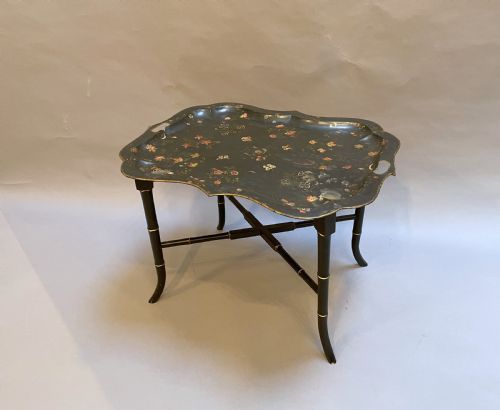


Antique Bamboo Tray
An antique bamboo tray brings lightness and texture to a room, offering a functional surface rooted in nineteenth-century decorative arts.
Antique Bamboo Tray
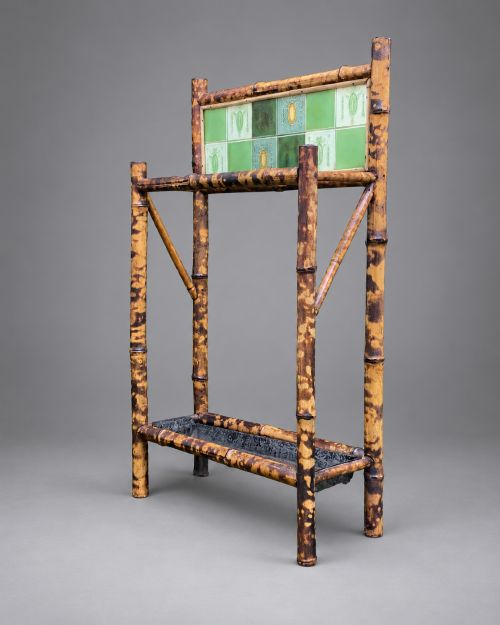
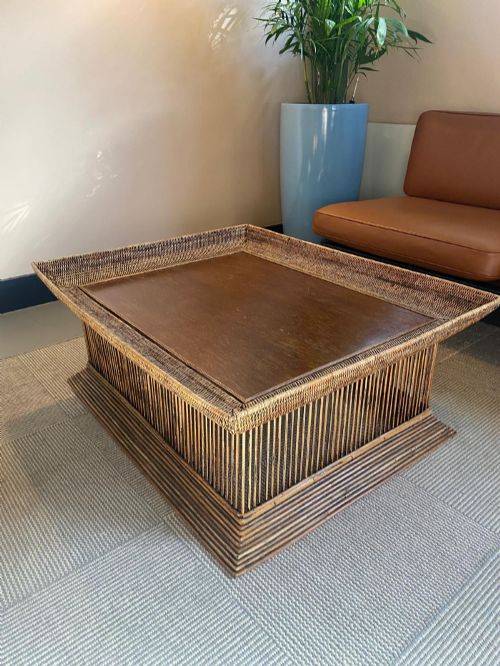
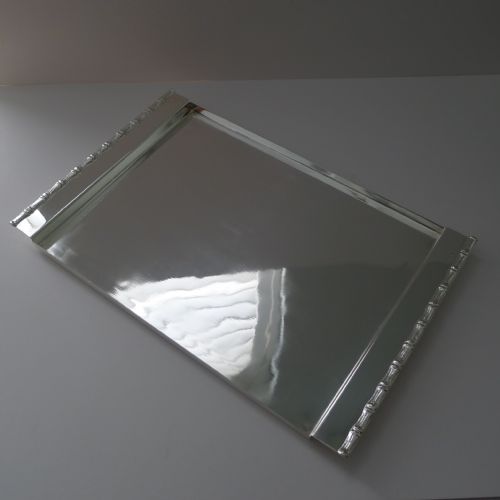
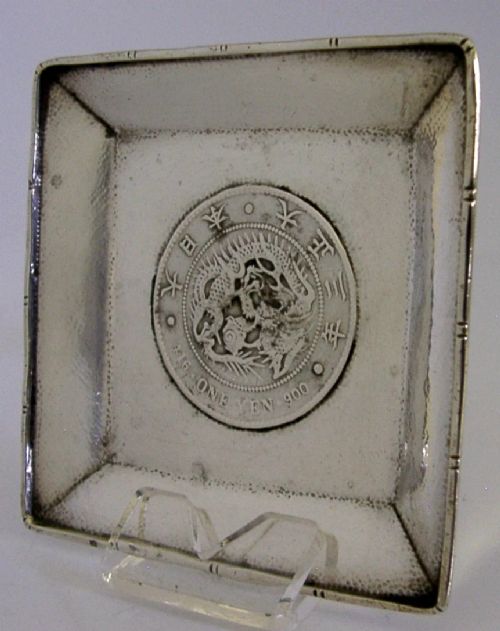
An antique bamboo tray represents a distinct category of decorative and practical household furnishings seen in nineteenth-century and early twentieth-century interiors. These pieces encompass various forms including serving trays, folding tray tables, and occasional tables featuring bamboo or faux bamboo construction.
The origin of these items spans English, French, and Chinese workshops, reflecting a broad nineteenth-century fascination with exoticism and botanical motifs. Each piece serves either as a functional butler tray or a decorative occasional table within modern domestic spaces.
How they were made
Makers utilised natural bamboo alongside turned hardwoods painted to imitate bamboo culms, creating the characteristic jointed aesthetic seen across the period. These structural elements were frequently combined with papier-mâché or metal trays finished with lacquer or toleware paint.
Surface decoration often involved hand-painted Chinoiserie motifs, floral details, and gold leaf applied over black or dark grounds. Joinery techniques varied from simple pinned joints on folding stands to more complex mortise and tenon construction on hardwood bases.
Antique Bamboo Tray Retail Price Guide 2026
Typical asking prices for bamboo tray among the pieces listed under this phrase on Sellingantiques today, from the lower quarter to the upper quarter. They describe what is for sale here now, not the wider market.
Listings feature nineteenth-century papier-mâché, hardwood, and metal materials alongside Victorian and Regency stylistic influences.
What varies in quality
The sophistication of the painted surface decoration distinguishes standard utility items from finer examples, particularly where intricate Chinoiserie and gold leaf detailing remain crisp. Superior pieces display careful brushwork and harmonious composition on the tray surface.
The structural integrity of the base and the precision of the joinery on folding stands determine the durability and overall refinement of the piece. High-quality examples maintain tight joints and stable frames that support the weight of the tray without excessive movement.
The Antique Bamboo Tray Glossary
- Chinoiserie
- European decorative style reflecting Chinese artistic influences, commonly featuring landscapes, figures, and botanical motifs in gold or colour upon a dark ground. This style frequently adorns nineteenth-century papier-mâché and lacquered surfaces.
- Papier-mâché
- Composite material made from paper pulp or layers of paper reinforced with glue, moulded and dried to form rigid objects. It served as a smooth base for lacquer and painted decoration on trays and tables.
- Toleware
- Enamelled or painted metalware, typically tin or iron, produced for domestic use. These painted metal trays were often mounted onto folding wooden stands.
- Aesthetic Movement
- Nineteenth-century artistic movement that emphasised decorative qualities and visual beauty over narrative subject matter. It heavily influenced the adoption of Japanese and Chinese motifs in British interiors.
Antique Bamboo Tray: Frequently Asked Questions
How are antique bamboo trays used today?
These pieces function effectively as coffee table surfaces, bedside tables, or decorative serving pieces within contemporary rooms. Their portable nature allows them to be moved easily to suit different seating arrangements.
Many examples featuring folding stands also offer convenient storage when not in active use, combining historical character with practical utility.
How do I care for a lacquered tray surface?
Maintain the finish by dusting gently with a soft, dry cloth and avoiding all chemical cleaning agents or abrasive materials. Moisture should be kept away from the surface to prevent lifting of the lacquer or paint.
Placing felt pads beneath items set upon the tray will help protect the historical decoration from scratches and wear over time.
What is the difference between bamboo and faux bamboo?
Natural bamboo consists of organic cane sections joined together to form lightweight structural frames for trays and stands. Faux bamboo involves hardwood turned on a lathe to replicate the distinct nodes and rings of natural cane.
Both materials were popular during the nineteenth century, with faux bamboo offering greater rigidity for weight-bearing furniture frames.
How can I identify a Victorian tray table?
Victorian examples frequently combine papier-mâché or tole trays with bamboo-turned or ebonised wooden stands, often decorated with Chinoiserie motifs. The construction methods and materials align with nineteenth-century British and continental manufacturing standards.
Examining the underside of the tray and the wear on the stand often reveals the age and method of assembly used by period makers.