



Antique Bakhtiari Textile
These antique bakhtiari textile pieces are genuine tribal weavings from western Persia, offering an authentic connection to nomadic life through wool and natural dyes.
Antique Bakhtiari Textile
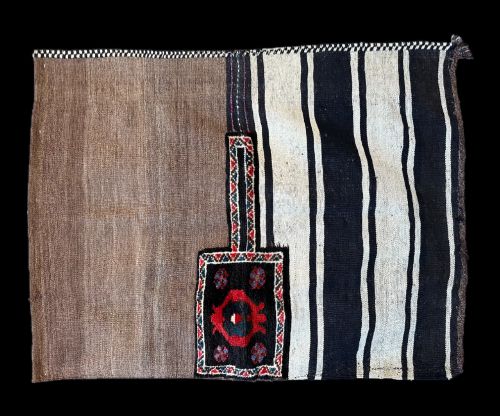
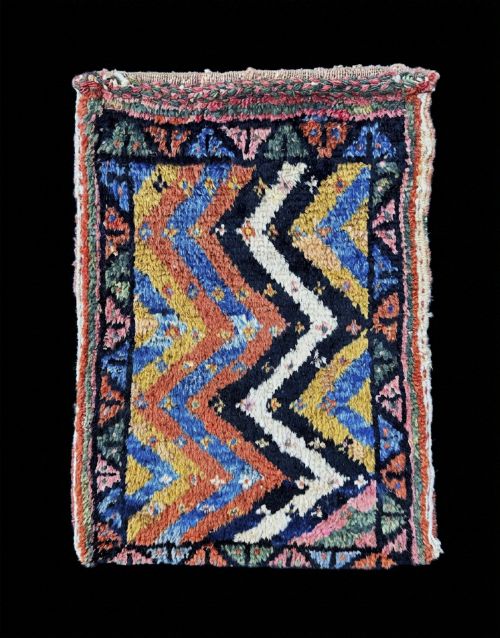
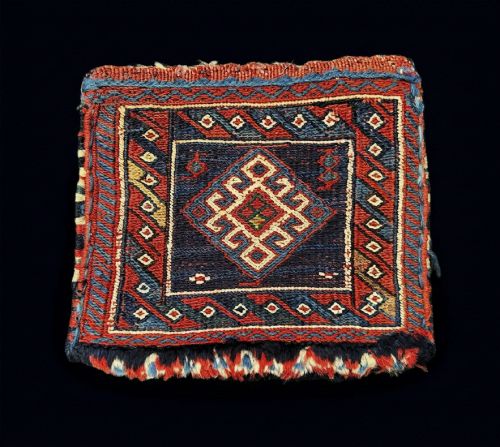
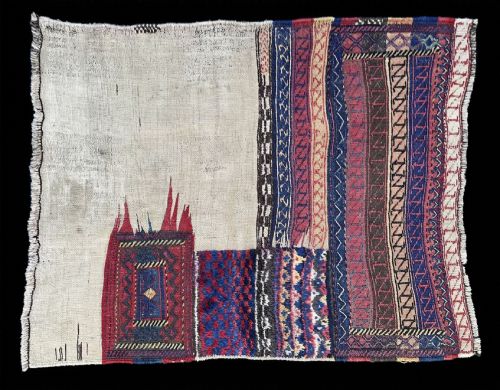
The most common forms on this page are specialised storage sacks and flat weave textiles like tacheh and bread sofreh. These items were woven for daily nomadic existence, serving specific household functions rather than purely decorative purposes.
How they were made
The makers relied on hand-spun wool and goat hair, employing flat weave techniques to create sturdy surfaces suitable for rigorous daily use. Natural dyes provided the colour palette for these tribal patterns.
Textiles like the moj and jajim utilise wool and cotton foundations, woven across the Char Mahal valley to withstand the demands of pastoral life.
Antique Bakhtiari Textile Retail Price Guide 2026
Typical asking prices for bakhtiari textile among the pieces listed under this phrase on Sellingantiques today, from the lower quarter to the upper quarter. They describe what is for sale here now, not the wider market.
Materials recorded across the inventory include hand-spun wool, cotton, goat hair, and natural dyes.
What varies in quality
Quality rests in the tightness of the weave and the handling of hand-spun wool and natural dyes. Finer examples display greater precision in the flat weave structure and more nuanced colour interactions.
Condition and completeness alter the standing of a piece, particularly given the utilitarian origins of wheat-sacks and tribal bags. Intact edges and original structural integrity separate standard work from the finer survivals.
The Antique Bakhtiari Textile Glossary
- Tacheh
- A traditional wheat-sack or storage bag woven by tribal groups. These items were essential for agricultural and nomadic storage.
- Sofreh
- A flat weave textile used for spreading food or handling bread. They form a distinct category of domestic tribal weaving.
- Moj
- A large flat weave textile or floor spread. These pieces often function as wall hangings or heavy covers.
- Chahar Mahal
- A high-altitude valley region in western Persia. This geographic area is the primary source for these tribal weavings.
- Haft Lang
- A tribal division within the Bakhtiari confederacy. Their textiles often reflect specific regional motifs and weaving structures.
Antique Bakhtiari Textile: Frequently Asked Questions
What is an antique bakhtiari textile used for?
These textiles served practical functions within nomadic and village households in western Persia. Items included grain storage, bread preparation, and personal carriage.
Today, collectors use them as wall hangings, flat weave rugs, or decorative floor spreads to bring texture into interior spaces.
Where do these textiles come from?
The pieces originate from the Chahar Mahal valley and surrounding western regions of Persia. They were produced by various nomadic and semi-nomadic groups including the Lori-Bakhtiari and Kurdish tribes.
Geographic isolation and traditional pastoral migration patterns shaped the specific wools and patterns found in these regional works.
How do I date an antique bakhtiari textile?
Dating relies on assessing the materials, natural dyes, and structural wear consistent with late nineteenth and early twentieth-century production. Catalogued pieces typically span from the eighteen-eighties through the nineteen-twenties.
Hand-spun wool characteristics and traditional tribal attributions help place each weaving within this historical bracket.
How should I care for a flat weave textile?
Gentle vacuuming without a rotating brush helps remove dust from the wool and cotton fibres. Keeping the textile away from direct sunlight preserves the stability of the natural dyes.
Professional textile conservation cleaning is recommended if deeper maintenance becomes necessary over time.