




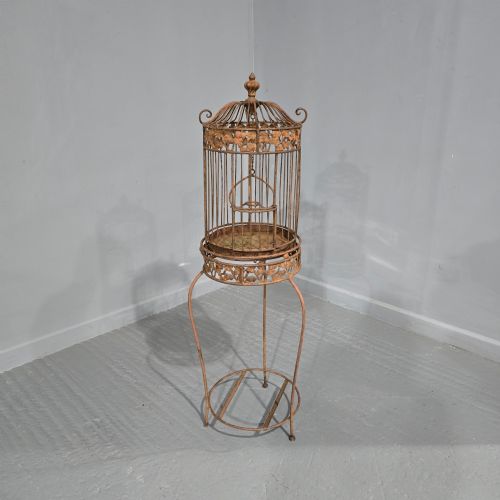


Antique Aviaries
Antique aviaries bring architectural charm and living history into interiors through ornamental bird cages fashioned in brass, wood, and wrought iron.
Antique Aviaries
When searching for antique aviaries, buyers encounter substantial structures designed to house birds whilst serving as decorative focal points in nineteenth and early twentieth-century interiors. These pieces range from intimate domestic birdcages to grand structures fashioned for country houses and chateaux.
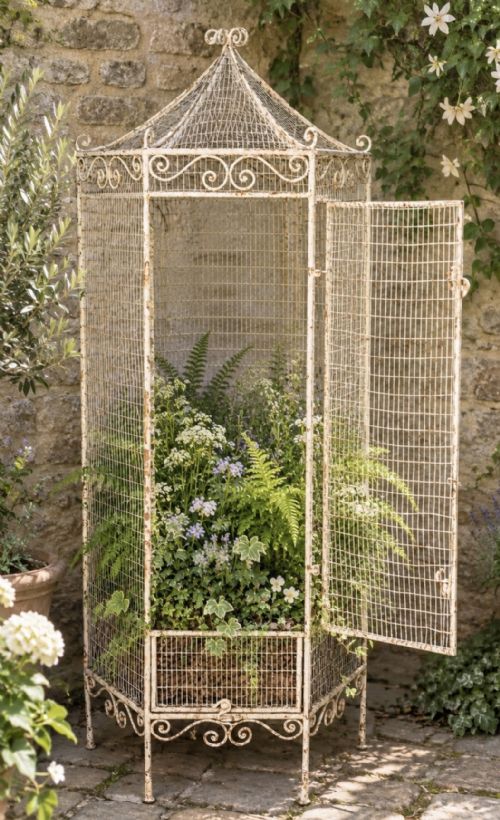
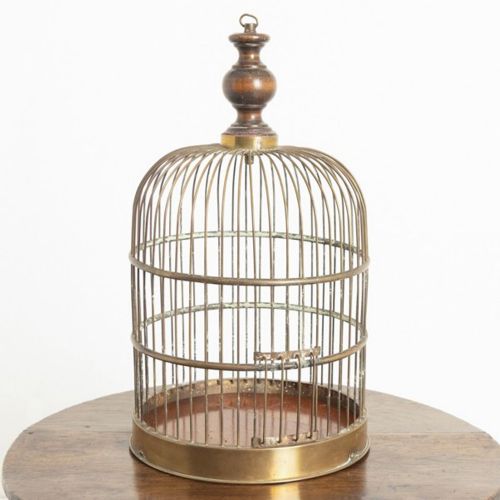
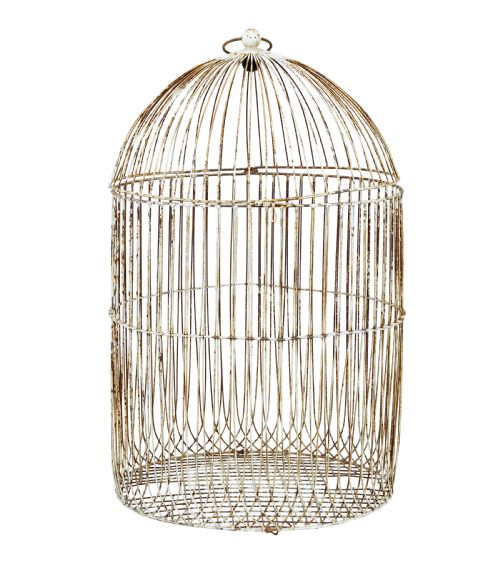
The most common versions met on this page include substantial brass bird cages dating from around nineteen hundred, alongside wire frame examples and ornate styles such as the Chinese pagoda shape.
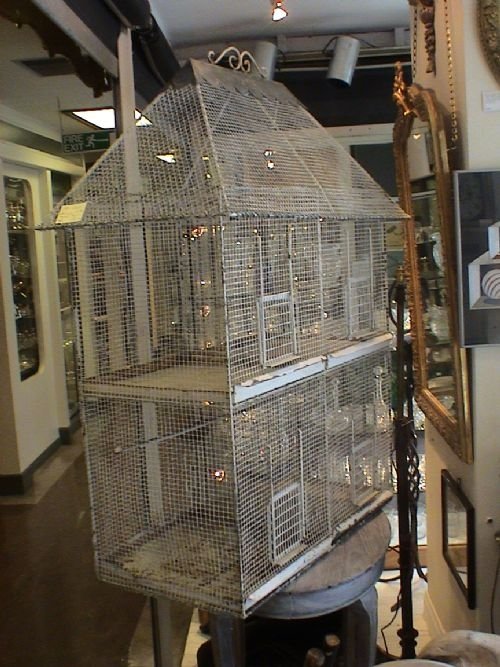
Origins span diverse aesthetics, incorporating Victorian and Edwardian sensibilities alongside French provincial and rustic country designs. Forms vary from round parrot cages and hanging brass designs to multi-storey breeding wooden enclosures and cast iron structures on stands.
How they were made
Craftsmen utilised durable metals such as brass, copper, wrought iron, and zinc to construct the rigid frameworks and intricate mesh necessary for containing birds. Wire mesh and iron provide structural integrity, whilst brass and copper offer decorative warmth and longevity.
Architectural details such as pagoda tiers and chateau-inspired zinc roofs demonstrate specialised metal shaping and construction techniques suited to grand decorative objects.
Antique Aviaries Retail Price Guide 2026
Typical asking prices for aviaries among the pieces listed under this phrase on Sellingantiques today, from the lower quarter to the upper quarter. They describe what is for sale here now, not the wider market.
Listings feature pieces spanning from the eighteen-seventies to the nineteen-twenties, showcasing materials including brass, wood, wrought iron, and zinc.
What varies in quality
Quality in these pieces is dictated by the ambition of the design and the integrity of the materials employed, separating standard domestic cages from grand architectural examples. Substantial gauge brass and heavy-gauge wire frame construction denote superior craftsmanship compared to lighter, purely decorative novelties.
The sophistication of stylistic execution, such as the intricate detailing found on Chinese pagoda styles or Art Nouveau hanging cages, elevates a piece above basic utility. Original patination and the survival of integrated stands or multiple storeys further distinguish finer examples.
The Antique Aviaries Glossary
- Aviary
- A large enclosure for keeping birds confined. In antique terms, this extends to substantial decorative bird cages and architectural structures.
- Pagoda style
- An architectural influence derived from East Asian design, characterised by tiered roofs and sweeping eaves seen in decorative bird cages.
- Chateau
- A large French country house or castle, inspiring ornate zinc and wirework bird cages associated with grand European estates.
- Wire frame
- A structural method utilising interwoven metal wire to create transparent enclosures, allowing ventilation and visibility for birds.
- Breeding cage
- A utilitarian wooden structure partitioned for the propagation of birds, featuring simpler construction than ornamental reception room cages.
Antique Aviaries: Frequently Asked Questions
How were antique bird cages used?
These structures housed pet birds, ranging from small songbirds to larger parrots, within domestic interiors and country house settings.
Many functioned as prominent decorative objects, displayed on tabletops, hung from ceilings, or mounted on dedicated iron stands.
How do I live with an antique aviary?
Antique aviaries integrate easily into modern interiors as sculptural display pieces, often styled empty to highlight their intricate wirework and metal patination.
Large examples, such as those on stands or featuring multiple storeys, make striking floor-standing ornaments in living spaces or hallways.
How do I identify the period?
Dating relies on stylistic clues, such as Art Nouveau curves, Victorian cast iron elements, or Edwardian brass manufacturing techniques.
Materials and construction methods, including the transition from handmade wooden frames to industrial brass and wirework, also indicate the era of production.