
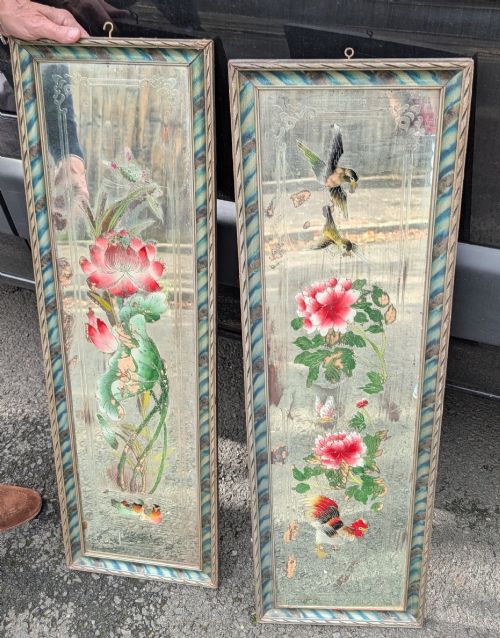
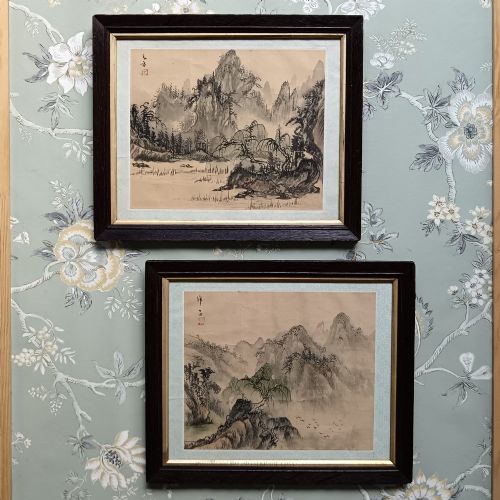
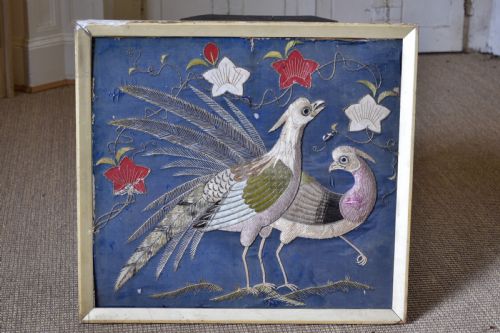
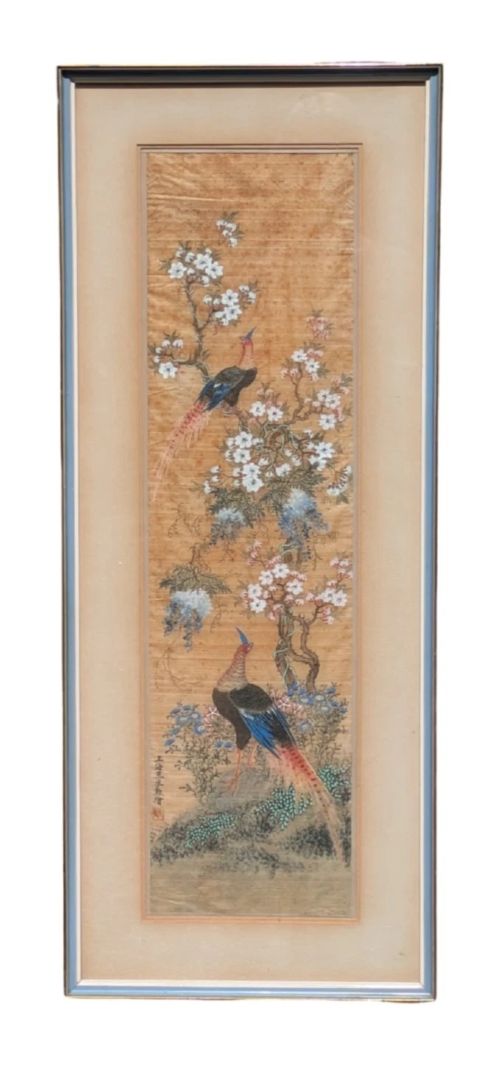

Antique Asian Wall Panel
An antique asian wall panel brings rich textiles, carved woods and painted scenes from eastern traditions directly into domestic interiors.
Antique Asian Wall Panel
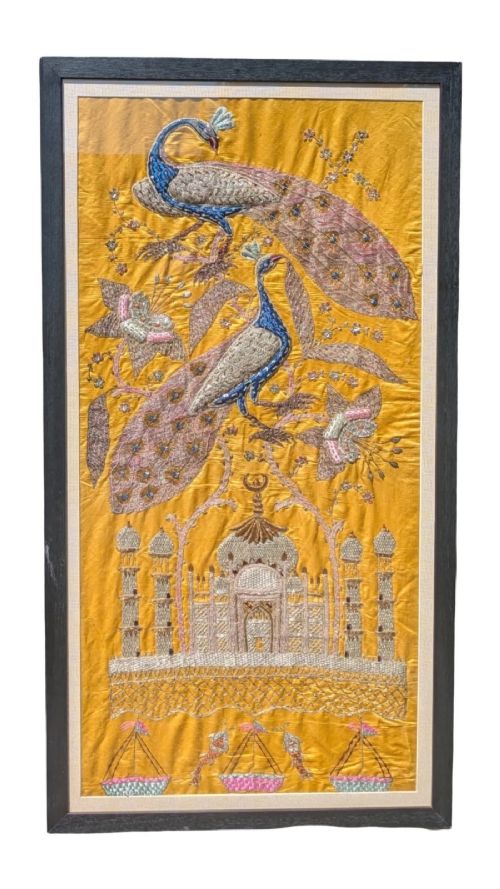
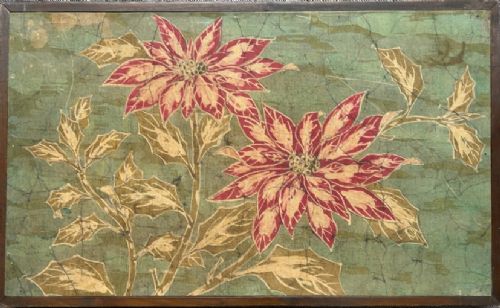
When searching for an antique asian wall panel, collectors encounter a diverse group of objects spanning embroidered textiles, woven tribal hangings, and carved wooden architectural elements. These pieces originate from distinct cultural traditions across China, Japan, and Central Asia.
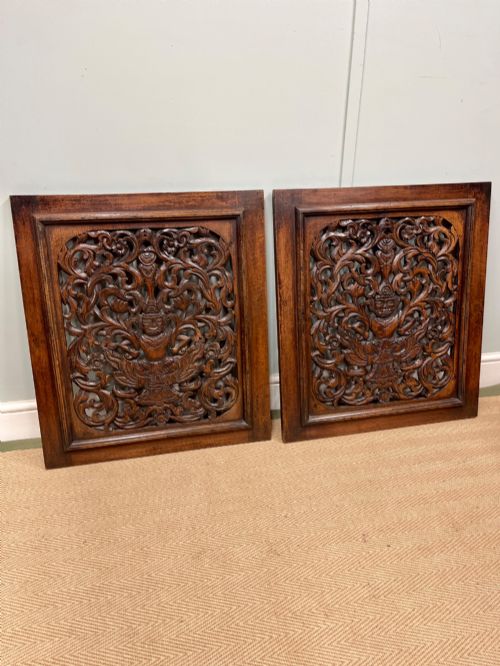
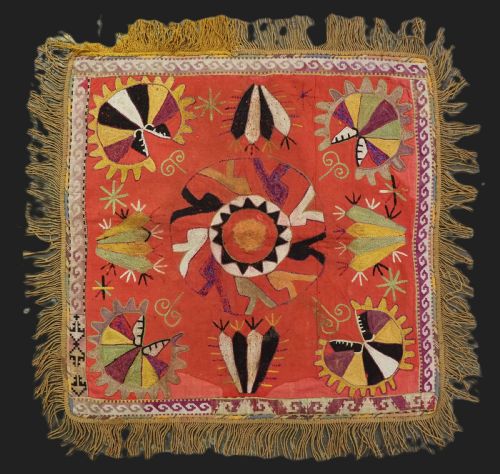
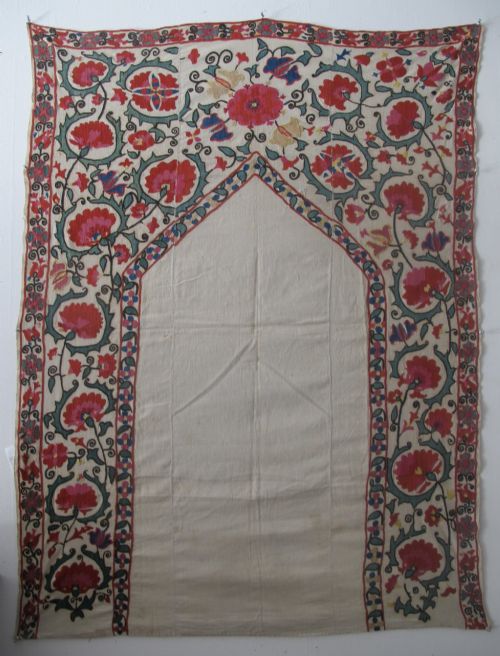
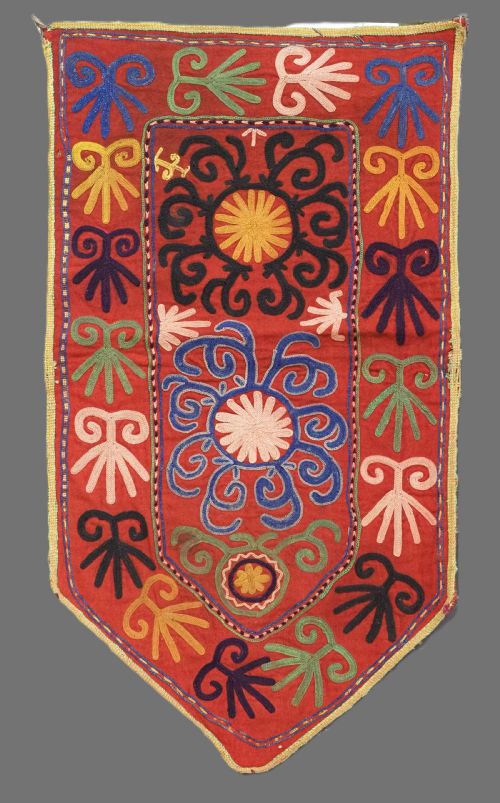
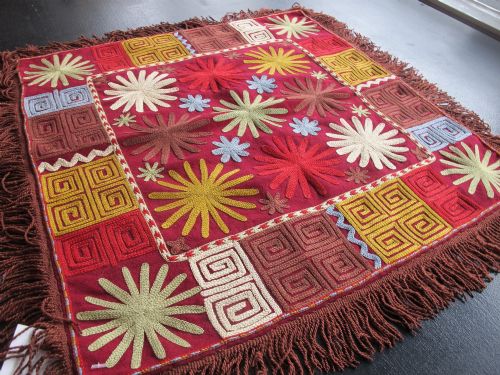
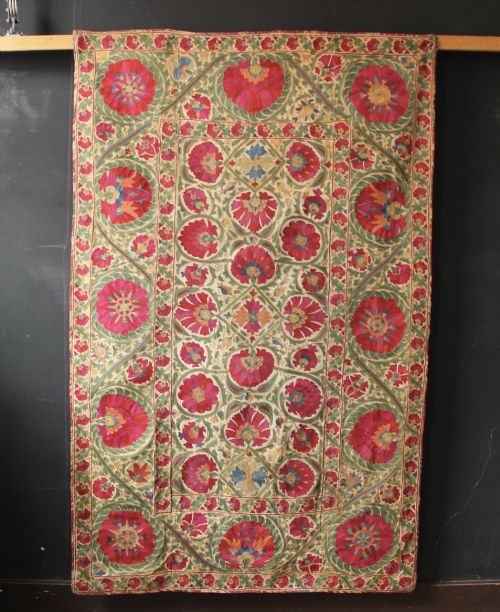
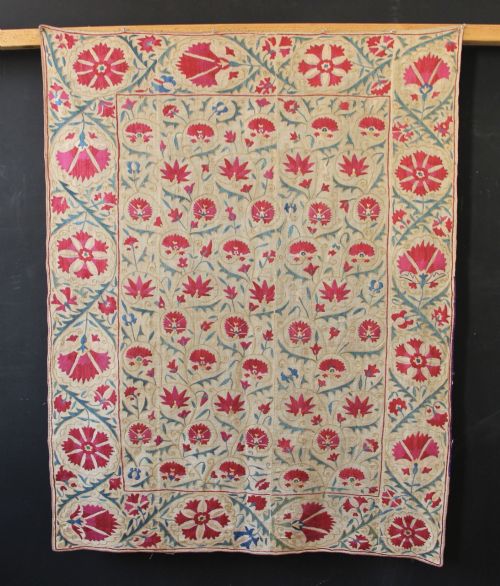
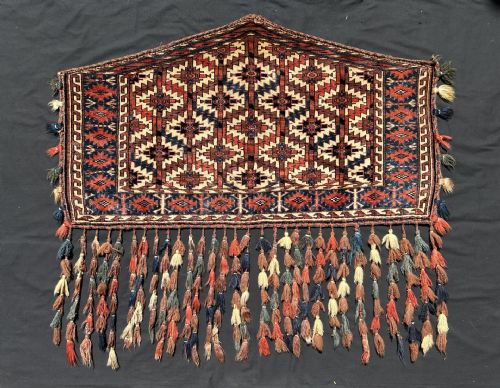
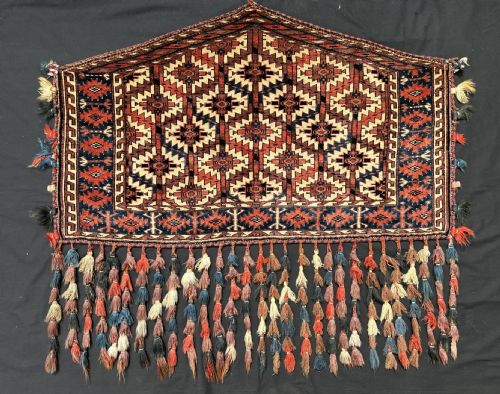
The selection on this page frequently includes Uzbek suzanis, Yomut and Tekke Turkmen asmalyks, Lakai dowry embroideries, and carved Chinese temple panels. Textiles dominate the offerings, often worked in vibrant natural dyes on silk, wool, or cotton grounds.
Many of these items were created for domestic rituals, dowries, or architectural decoration before finding new purpose as framed wall art. Their forms range from small square felt panels to large rectangular embroideries and matched pairs of carved roundels.
How they were made
Makers utilised skilled hand-sewing techniques, applying silk, cotton, and metallic threads onto foundational fabrics like wool, felt, or cotton. Natural dyes provided the deep reds, greens, and yellows seen across Central Asian suzanis and tribal trappings.
Wooden items involve precise carving and lacquering, seen in gilt temple panels and roundels. Glass frequently protects delicate silk paintings and embroidered figures from environmental wear.
Materials represented across these items include hand-spun cotton, wild silk, metallic thread, pressed felt, carved wood, and lacquer.
What varies in quality
Condition and completeness also drive distinction, particularly with fragile textiles, tribal felt panels, and carved wooden elements that retain their original gilding or lacquer surfaces.
The Antique Asian Wall Panel Glossary
- Suzani
- An embroidered tribal textile originating from Uzbekistan, traditionally worked in silk on a cotton or silk ground with floral or architectural motifs.
- Asmalyk
- A pentagonal or trapezoidal tribal hanging from Turkmenistan, traditionally used in wedding camel processions before being displayed within the nomadic tent.
- Ikat
- A dyeing technique where yarns are tie-dyed prior to weaving, producing characteristic feathered pattern edges on silk and semi-silk fabrics.
- Torba
- A small Turkmen wall bag or storage hanging, often featuring repeating guls and geometric tribal borders.
- Shan Shui
- A traditional style of Chinese painting featuring mountainous landscapes and natural scenery, frequently rendered on silk.
Antique Asian Wall Panel: Frequently Asked Questions
What is a suzani?
A suzani is a large embroidered textile created by women in Central Asia, primarily Uzbekistan, as part of a traditional dowry.
These pieces feature intricate botanical and geometric designs worked in silk thread on cotton or silk foundations, designed to be hung on walls.
How were tribal trappings used?
Nomadic groups in Central Asia utilised embroidered and woven items like asmalyks and torbas primarily during wedding ceremonies and to decorate the interior of felt tents.
Over time, these functional dowry pieces and saddle covers transitioned into decorative wall hangings valued for their tribal artistry.
How do I care for silk embroidery?
Silk embroideries require protection from direct sunlight to prevent the natural dyes and delicate threads from fading over time.
Keeping them behind glass or away from humid environments ensures the fibres remain stable and preserved.
How are periods identified?
Dating relies on examining the types of dyes used, the structural weave of the backing fabric, and the traditional tribal motifs characteristic of specific decades.
Earlier nineteenth-century examples often display distinctive natural colour palettes and organic irregularities absent in later machine-assisted work.