






Antique Asian Lacquer Panel
An antique asian lacquer panel brings rich narrative depth and tactile warmth to an interior through layered resin surfaces and intricate relief work.
Antique Asian Lacquer Panel
When you search for an antique asian lacquer panel, you encounter an array of decorative objects including wall plaques, table screens, and folding room dividers. The material history spans the nineteenth century through the mid-twentieth century, capturing East Asian workshop traditions.
Stylistic influences vary across the inventory, encompassing Qing Dynasty aesthetics, Meiji period craftsmanship, and European interpretations such as Chinese Chippendale and Chinoiserie. Each piece demonstrates regional techniques adapted for domestic display.
How they were made
Construction relies upon a wooden substrate coated in successive layers of natural tree sap lacquer to form a durable, smooth ground. Artisans built up this surface over weeks or months, allowing each coat to cure before polishing.
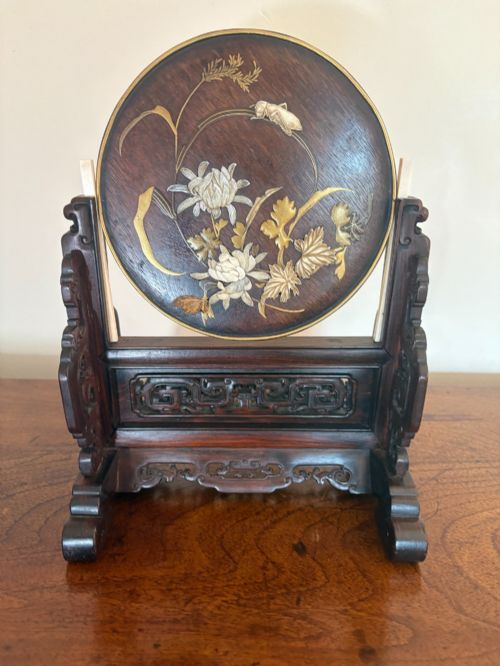
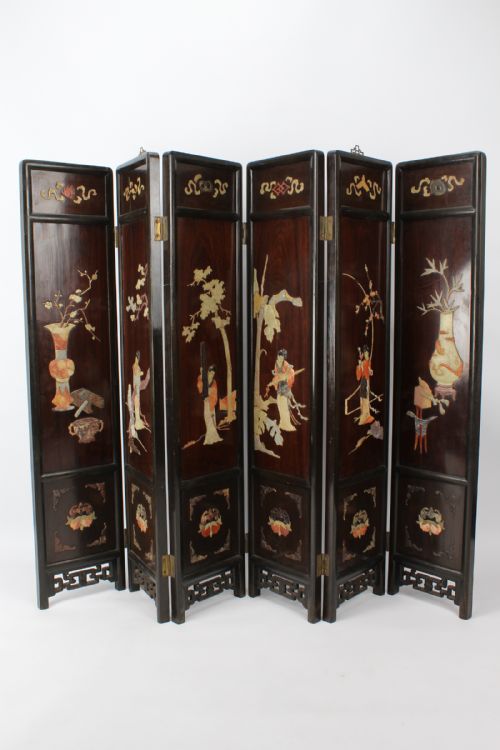
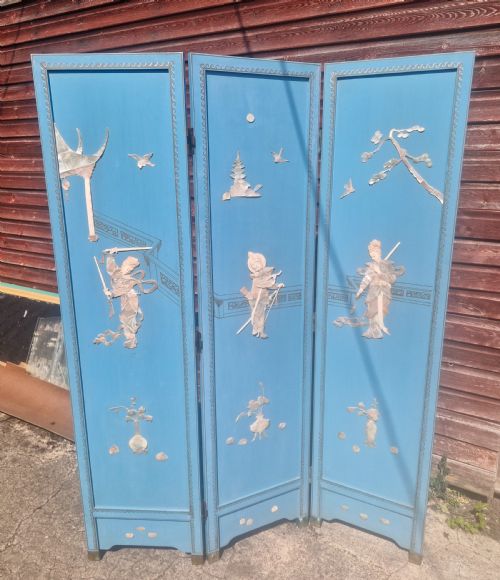
Decoration involved carving directly into the hardened lacquer, known as Coromandel work when incised and filled with pigment, or applying relief elements in bone, mother-of-pearl, and hardstone. Gilding and painted details further enriched the surface composition.
Antique Asian Lacquer Panel Retail Price Guide 2026
Typical asking prices for asian lacquer panel among the pieces listed under this phrase on Sellingantiques today, from the lower quarter to the upper quarter. They describe what is for sale here now, not the wider market.
Object forms documented here include folding screens, wall plaques, table screens, trunks, and cabinets on stands.
What varies in quality
Depth and precision of the carving determine the visual hierarchy, where deep undercut figures in bone or wood demonstrate superior artisan control compared to shallow surface etching. The complexity of inlaid hardstone and mother-of-pearl compositions also distinguishes finer workshop production.
The stability of the wooden core and the integrity of the lacquer layers dictate structural longevity. Panels retaining their original polished finish and tight joinery represent the upper tier of the range.
The Antique Asian Lacquer Panel Glossary
- Lacquer
- A durable glossy finish derived from the processed sap of East Asian trees. It cures into a hard, moisture-resistant surface that accepts carving and pigment.
- Coromandel
- A technique where a dark lacquer ground is incised to reveal a chalky undercoat, which is then painted with colours. It frequently appears on large folding screens.
- Shibayama
- A Japanese craft style utilising inlaid delicate materials like shell, bone, and ivory to create pictorial motifs. These inlays stand proud of the lacquer or wood background.
- Chinoiserie
- A European decorative style imitating East Asian design traditions. It surfaces in British and continental interpretations of lacquer furniture.
- Roundel
- A circular decorative panel or motif. They appear as paired wall or surface elements within the lacquer tradition.
Antique Asian Lacquer Panel: Frequently Asked Questions
How do I clean an antique lacquer panel?
Dust gently with a dry, soft microfiber cloth to prevent surface scratching. Avoid chemical polishes, water, or abrasive cleaners which can damage the cured resin.
Keep the panel away from direct sunlight and steady heat sources to prevent the wood substrate from warping and the lacquer from cracking.
Where should I place a room divider?
Position folding screens against plain walls to highlight their carved detail or use them to zone larger living spaces. Ensure they stand on stable, level flooring.
Allow enough clearance for the hinges to move freely without straining the wooden frames or decorative inlays.
What is the difference between Chinese and Japanese screens?
Chinese panels frequently employ Coromandel incision and deep black lacquer grounds depicting court scenes or landscapes. They often span multiple folding leaves.
Japanese examples from the Meiji period tend to incorporate intricate bone, ivory, or mother-of-pearl inlay within hardwood frames, focusing on naturalistic bird and flora subjects.
How can I tell the period of a screen?
Examine the joinery, hinge types, and the composition of the lacquer backing for signs of age. Nineteenth-century pieces often display hand-forged hardware and dense timber frames.
Twentieth-century iterations may show more uniform machine-cut elements and distinct pigment formulations while maintaining traditional motifs.