
Antique Asian Glazed Ceramic
These pieces of antique asian glazed ceramic span centuries of kiln traditions across China and Japan, bringing sculpted form and enduring pigment into a room.
Antique Asian Glazed Ceramic
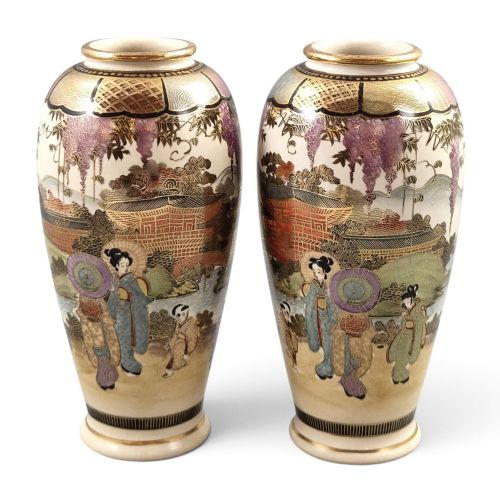
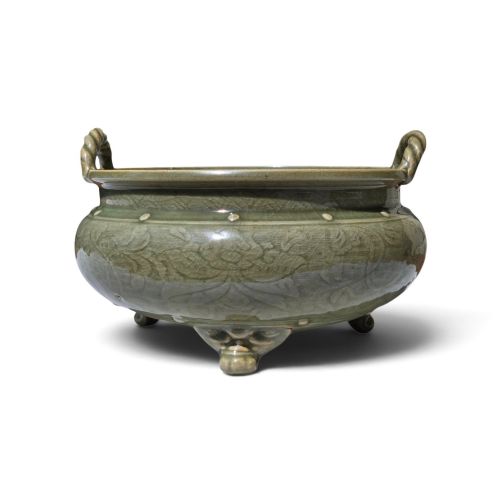
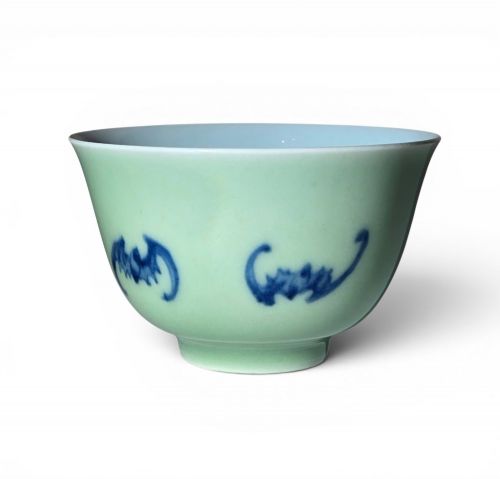
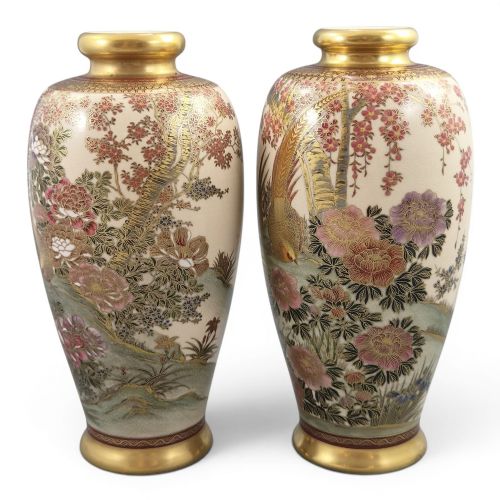
When searching for antique asian glazed ceramic, a buyer encounters vessels, figures, and scholar's objects originating from diverse dynastic and imperial periods. The selection on this page leans heavily toward Japanese Satsuma ware from the Meiji era alongside Chinese porcelain and celadon pieces from earlier dynasties.
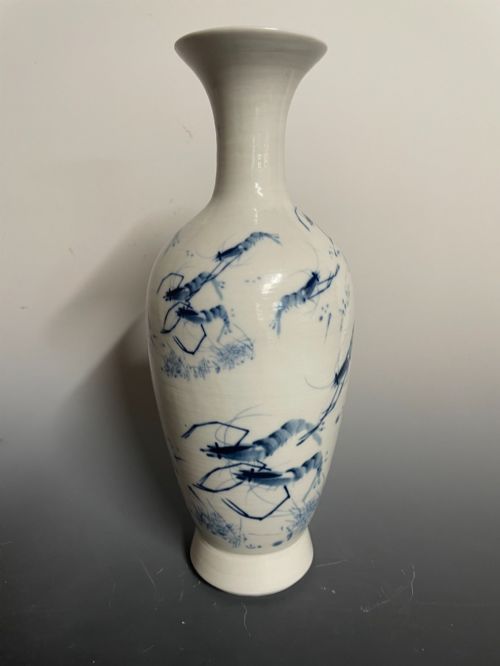
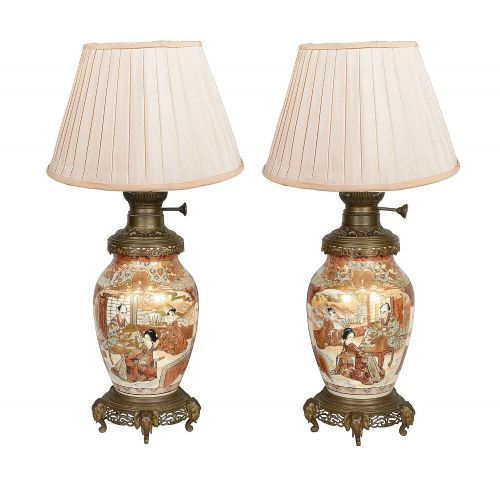
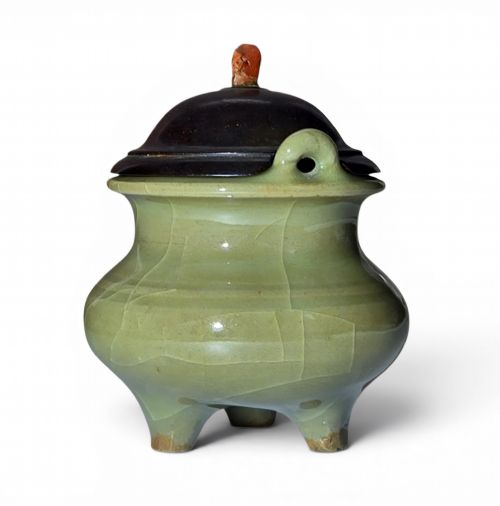
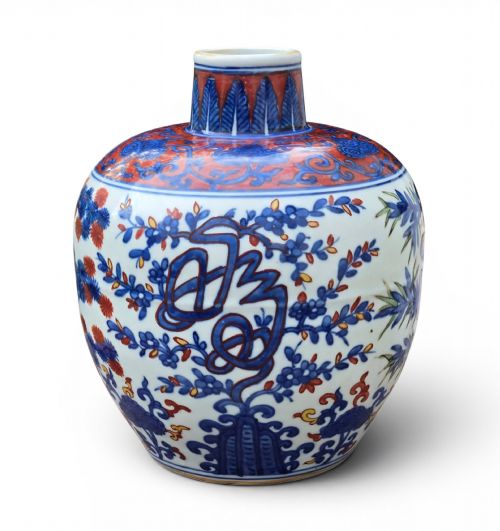
Forms range from monumental baluster vases and tripod censers to delicate waterpots, tea caddies, and decorative bowls. Japanese examples frequently feature intricate figural scenes in enamel and gold leaf, while Chinese pieces often showcase monochrome glazes or underglaze blue painting.
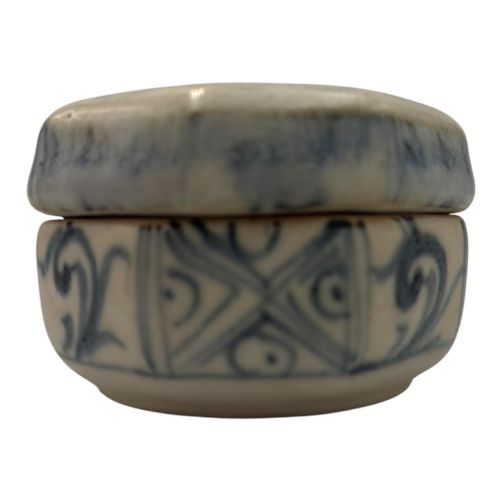
The material record spans coarse earthenware and sturdy stoneware right through to refined porcelain. Collectors navigate everything from early Vietnamese covered boxes to elaborate Satsuma ginger jars signed by prominent Kyoto workshops.
How they were made
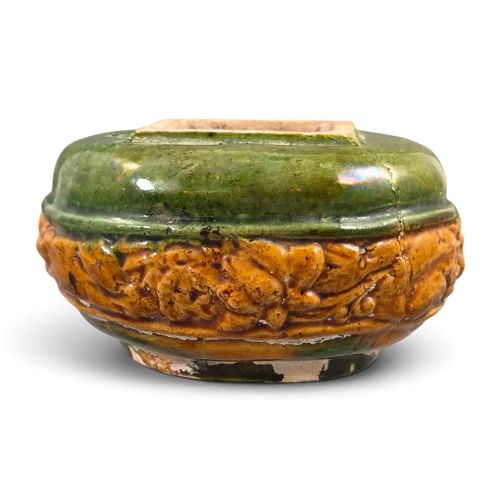
Potters shaped earthenware, stoneware, and porcelain bodies by hand or on the wheel before applying specialised mineral glazes such as celadon, cobalt, and blue flambé. Many vessels underwent multiple firings to fix the base glaze before artists added overglaze enamels and gold leaf accents.
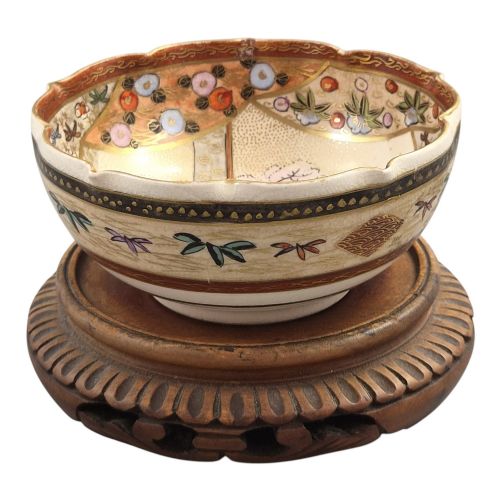
Japanese Satsuma production relied on a fine, cream-coloured earthenware body with a characteristic crackle glaze, which painters then decorated with elaborate hand-penned motifs. Chinese workshops mastered high-temperature reductions, producing deep underglaze blue designs and carved motifs beneath transparent Qingbai or celadon layers.
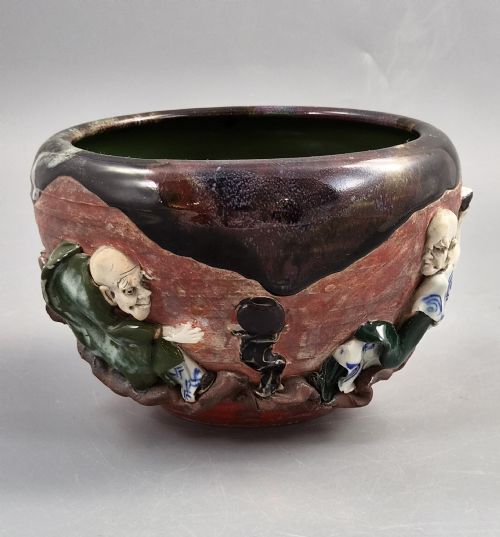
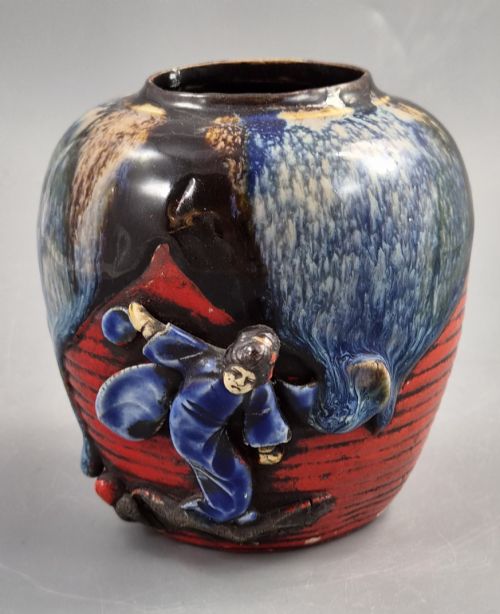
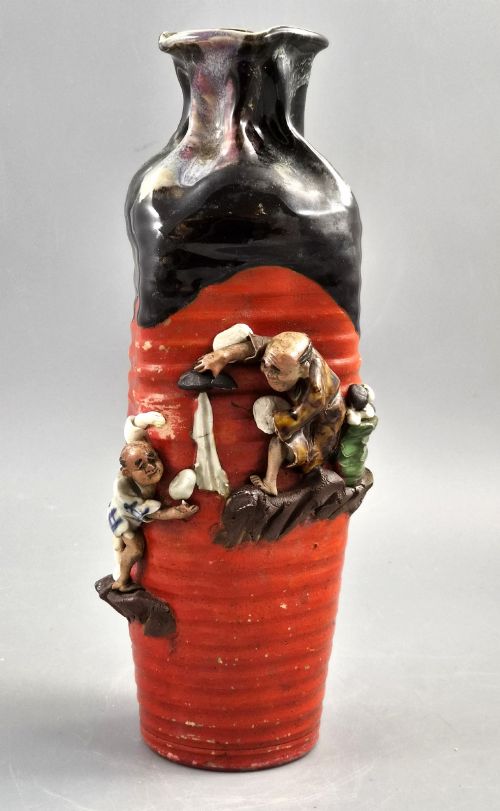
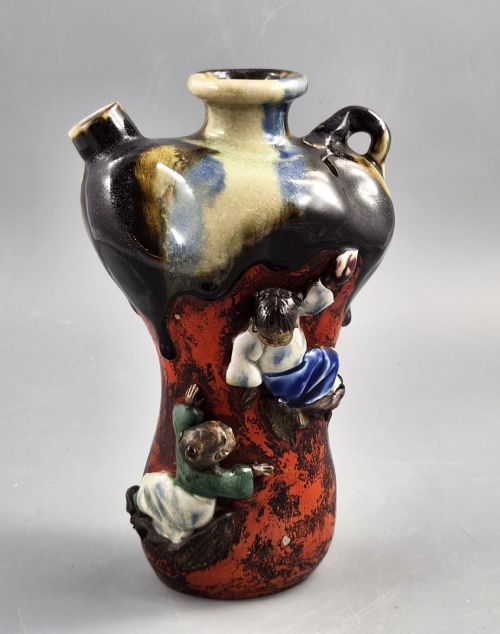
Several pieces feature climbing figures and fierce temple dogs caught mid-action in high relief.
What varies in quality
The distinction between standard production and masterwork pieces rests primarily on the crispness of the potting and the control evident in the glaze. Precision in carved relief work and the subtlety of brush application in enamel and gold leaf separate ordinary decorative items from superior workshop output.
Signature panels and imperial marks provide clear indicators of origin, though the finesse of the modelling itself remains the true test of quality. Works associated with celebrated makers or specific kilns demonstrate a balance of form and surface detail that lesser pieces lack.
Inoue Ryōsai·Kinkōzan Workshop·Manpei·Makuzu Kozan·Kato Sanhei
The Antique Asian Glazed Ceramic Glossary
- Celadon
- A transparent jade-green glaze over a white body, produced in high-temperature kilns. The subtle green tone results from iron oxide reacting within the reducing atmosphere of the kiln.
- Satsuma
- A type of Japanese earthenware originating from Satsuma Province, featuring a crackled ivory glaze. Artisans subsequently decorated these surfaces with detailed polychrome enamels and gold leaf.
- Sumida Gawa
- Japanese pottery characterised by heavy, colourful glazes and distinct figures modelled in high relief. These pieces often bear signatures of prominent makers associated with the Tokyo kilns.
- Okimono
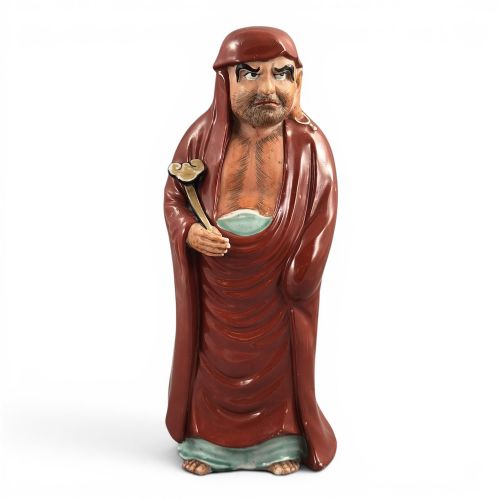
- A Japanese standalone decorative carving or figurine intended for display in an alcove or on a shelf. These objects appear in porcelain, earthenware, and ivory, portraying figures from folklore.
- Underglaze blue
- A decorative technique where cobalt oxide pigment is painted directly onto the unglazed ceramic body. A clear glaze is applied over the top before a single high-temperature firing seals the pigment permanently.
Antique Asian Glazed Ceramic: Frequently Asked Questions
How do I date Satsuma ware?
Satsuma wares are generally dated by the complexity of their gilding and the style of the signature panels. Pieces produced during the Meiji period often exhibit denser pictorial decoration and refined artistry compared to later iterations.
Changes in kiln marks and the presence of specific artisan signatures help narrow down the decade of production. Examining the weight of the ceramic body and the fineness of the crackle glaze also provides historical context.
What is the difference between celadon and porcelain?
Celadon refers specifically to the jade-green iron-rich glaze applied to a ceramic body rather than the clay type itself. It can coat either stoneware or porcelain.
Porcelain is a specific vitrified white ceramic material fired at high temperatures until non-porous. A piece can therefore be both porcelain and feature a celadon glaze.
How were scholar's water vessels used?
Scholar's water vessels served as small reservoirs for mixing ink during traditional calligraphy and brush painting. Scholars kept these ceramic or stone items on their desks to control the dilution of ink sticks.
Their compact forms allowed for intricate moulding and specialised glazes, making them prized objects of quiet contemplation. These vessels often take the shape of natural forms such as fruit, bamboo, or mythical beasts.
Where should I display large floor vases?
Large baluster and monumental vases suit spaces with adequate clearance where their vertical forms can command attention. Placing them away from heavy foot traffic protects their fragile overglaze enamel surfaces.
Pairing vases with their original stands, where applicable, helps distribute weight and enhances their presentation. Adequate lighting allows the subtleties of crackle glazes and relief figures to stand out.