
Antique Asian Embroidery Panel
When you handle an antique asian embroidery panel, you hold centuries of nomadic and courtly needlework across Central Asia and beyond.
Antique Asian Embroidery Panel
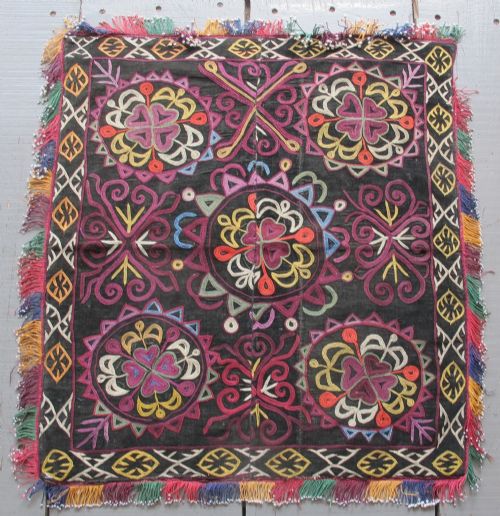
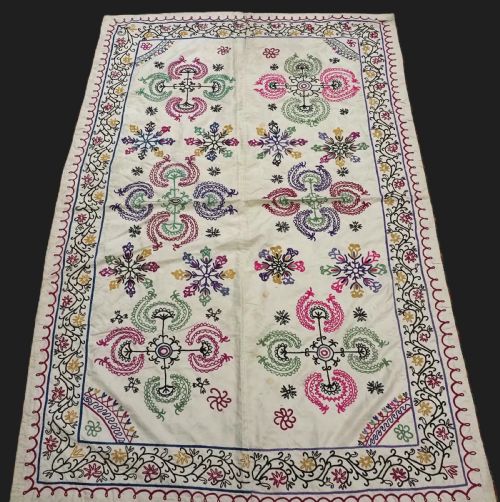
An antique asian embroidery panel encompasses diverse textiles originating primarily from Central Asia, including Uzbekistan, alongside pieces from China, India, Persia, and Japan. Buyers exploring this category encounter wall hangings, dowry pieces, mirror covers, and framed textile artworks.
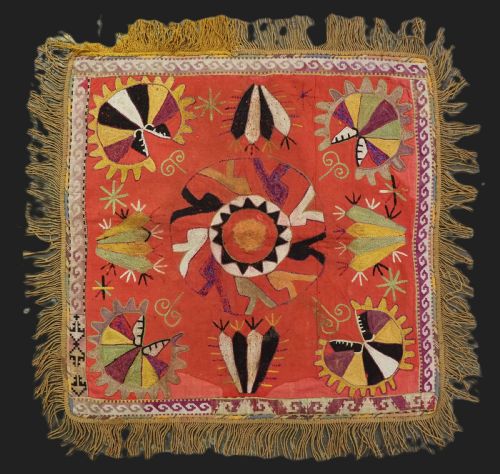
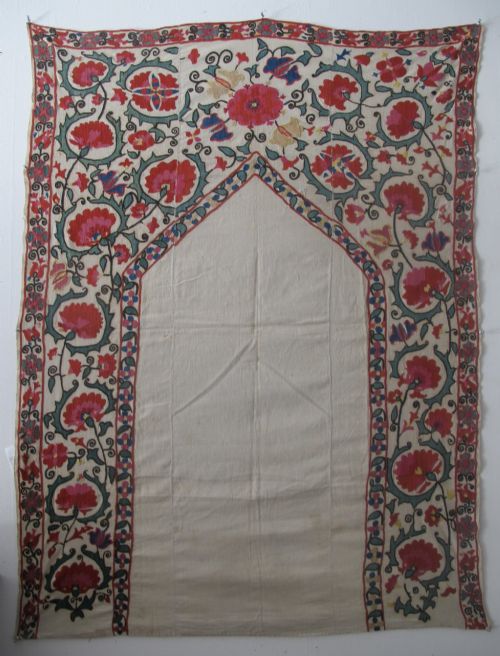
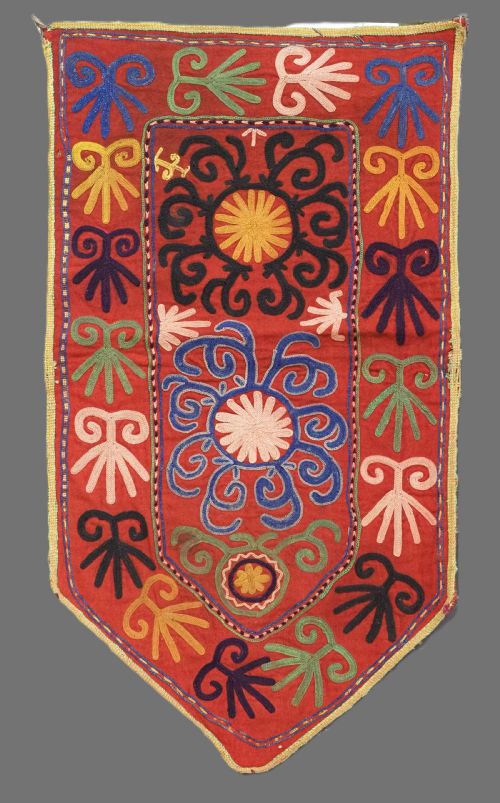
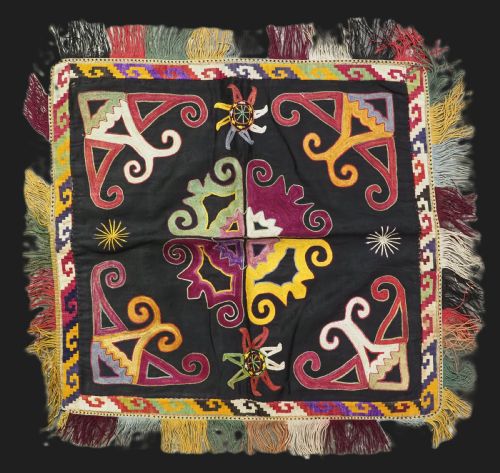
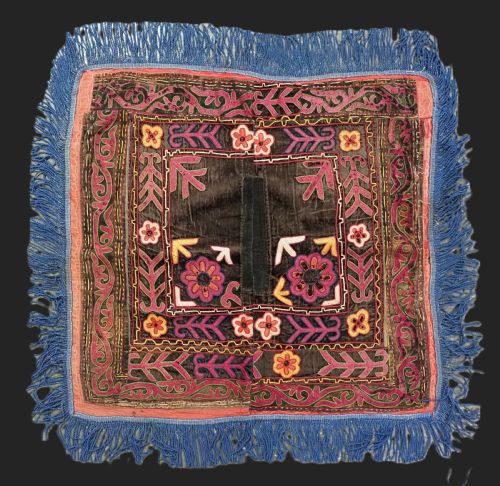
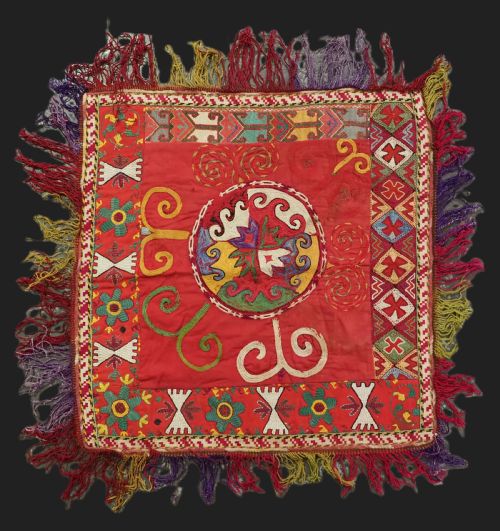
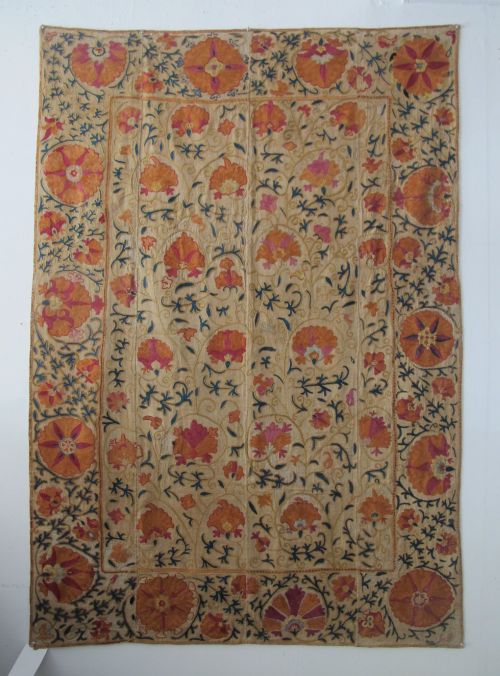
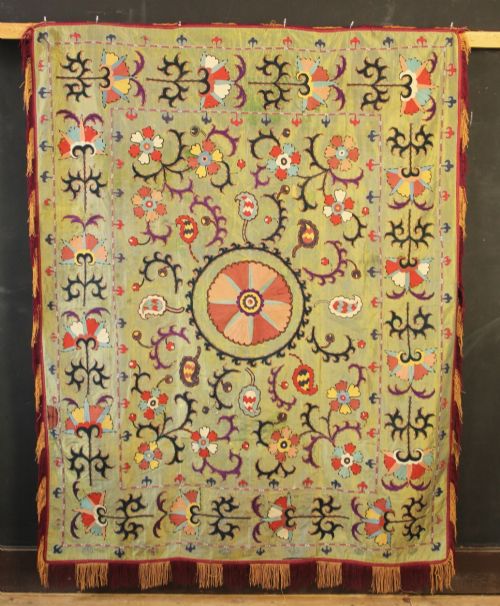
The selection on this page relies heavily on Central Asian nomadic and tribal traditions, particularly Suzanis and Lakai tribeilgich or uut kap pieces. These items served ceremonial and domestic roles within yurts and homes, displaying rich cultural motifs and regional styles.
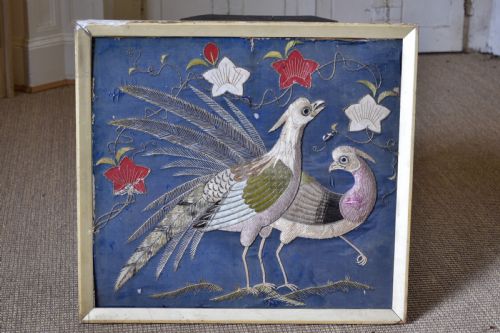
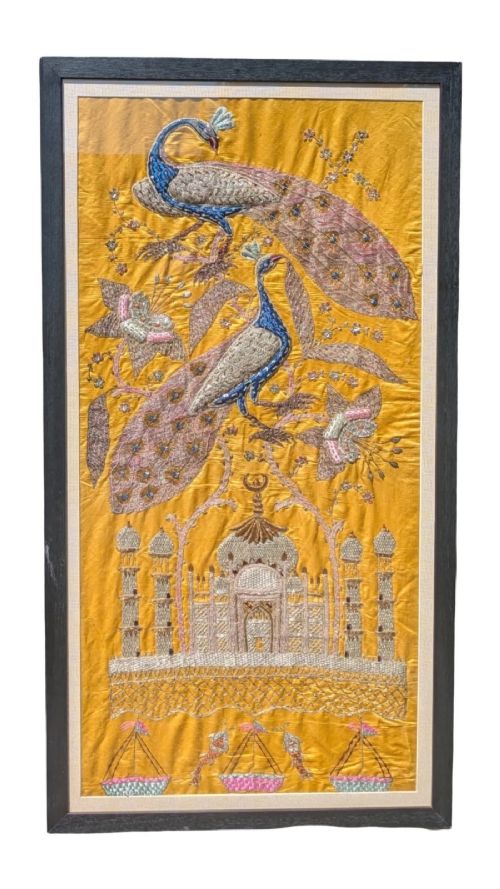
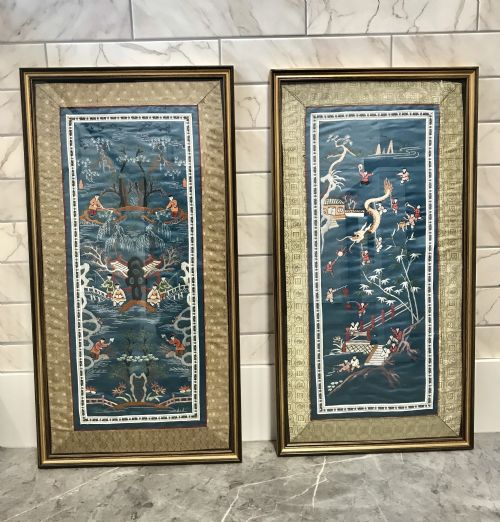
Beyond tribal works, the selection includes framed Chinese figurative scenes, Indian silk panels depicting architectural landmarks like the Taj Mahal, and Japanese textile screens. Each form represents distinct regional craftsmanship spanning from the mid-nineteenth century into the early twentieth century.
Materials and construction methods
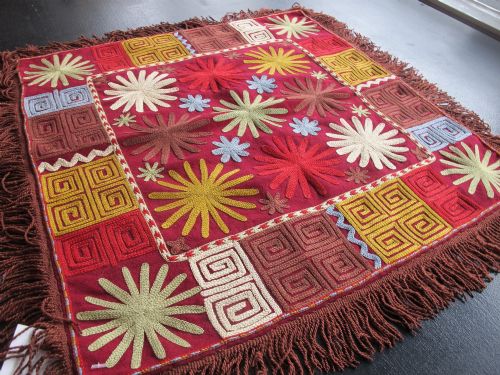
Artisans constructed these panels using foundational grounds of silk, cotton, wool, velvet, and felt, often pairing silk embroidery threads with metallic accents. Some examples utilise a red wool or cotton ground, while others display intricate work on dark or patterned backgrounds.
Needlework techniques range from fine silk-on-silk stitching to applied felt fringes and specialised tribal embroidery methods practiced by Uzbek and Lakai makers. Selected panels incorporate glass elements or are preserved under glass within framed mountings.
The listings span periods from the mid-nineteenth century to the 1930s, featuring silk, cotton, wool, felt, and glass materials.
What separates the finest examples
Quality in these textiles rests upon the density and precision of the needlework, the complexity of the design layout, and the preservation of the ground material. Finer examples display meticulous control over silk or metallic threads, creating sharp architectural or floral motifs.
The integrity of the textile foundation, whether wool, cotton, or felt, alongside the vibrancy of surviving natural or early synthetic dyes, dictates the standing of a piece. Regional attribution and scarce functional forms, such as specific dowry bags or ceremonial covers, further elevate specific panels.
The Antique Asian Embroidery Panel Glossary
- Suzani
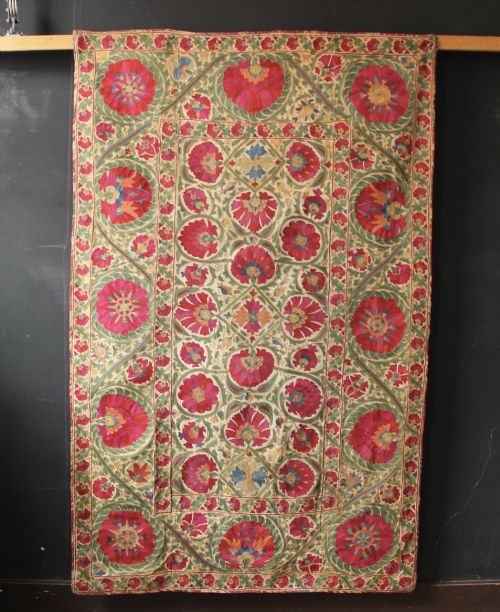
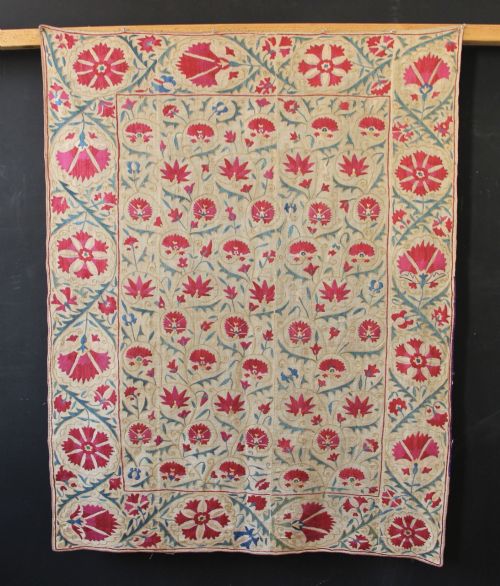
- An embroidered tribal wall hanging originating from Uzbekistan and Tajikistan, traditionally worked in silk on a cotton or linen ground. These large textiles often display bold floral and medallion designs.
- Ilgich
- A small Central Asian hanging or dowry embroidery, frequently associated with the Lakai tribe. They were created for domestic decoration within the yurt.
- Nim Suzani
- A half-sized Suzani textile, measuring smaller than full wall panels. They provide concentrated areas of dense embroidery suitable for compact spaces.
- Uut Kap
- A storage bag face or tent-band hanging produced by nomadic groups in Central Asia. They utilise geometric and zoomorphic tribal motifs.
- Tush Kyiz
- A large, elaborately embroidered wall hanging traditionally made in Kyrgyzstan by women to mark a bride's marriage. They celebrate domestic life and local flora.
- Adras
- A traditional Central Asian fabric woven with a silk warp and a cotton weft. It serves as a patterned ground for subsequent embroidery.
Antique Asian Embroidery Panel: Frequently Asked Questions
How were these panels used?
Nomadic and settled communities utilised these textiles as wall hangings, domestic furnishings, mirror covers, and ceremonial horse or saddle covers. They brought colour and status to the interior of tents and houses.
Many specific formats, such as dowry pieces or yurt decorations, held symbolic meaning within families and tribal groups during weddings and celebrations.
How do I care for an antique textile?
Protect antique embroidery panels from direct sunlight to prevent fading of silk and wool threads. Display them away from high moisture areas and sources of direct heat.
Mounting should be handled carefully, supporting the full weight of the fabric evenly without placing stress on the stitches or ground material.
How do I identify Lakai embroidery?
Lakai embroidery originates from Uzbek tribal groups and is recognised by its dynamic, asymmetric geometric motifs and vibrant colour combinations. The stitching is often dense and sculptural.
Common forms include small dowry hangings, torba bags, and utilitarian covers worked in silk on wool, felt, or cotton grounds.