
Antique Artwork
When you search for antique artwork, you enter a diverse field of historical paintings, drawings, prints and silhouettes spanning multiple centuries.
Antique Artwork
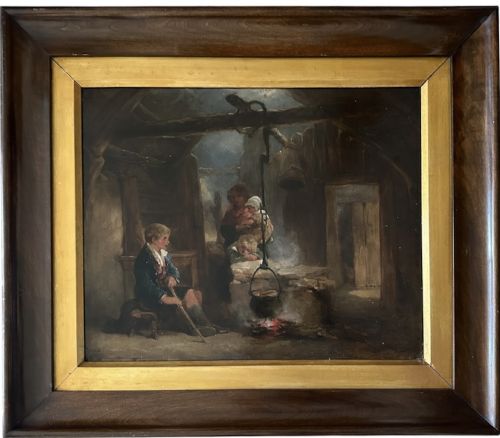
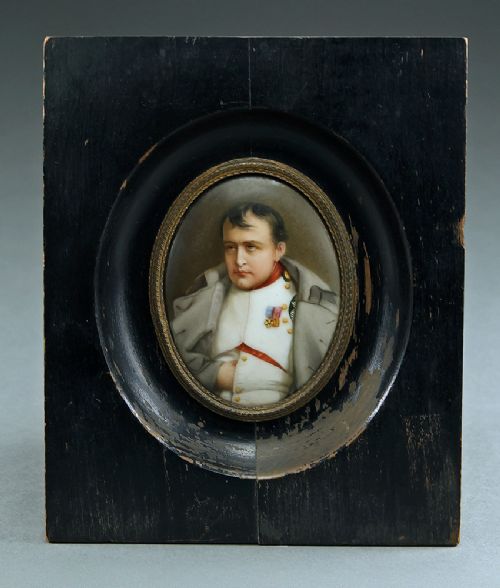
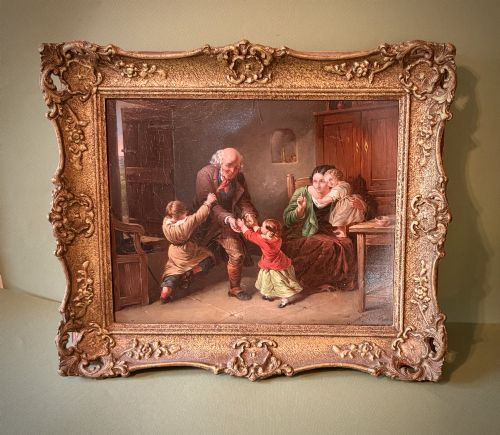
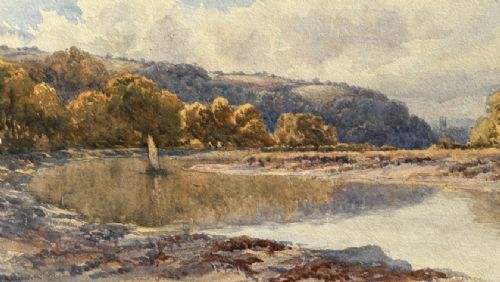
When searching for antique artwork, buyers encounter a wide spectrum of visual expressions including oil paintings, watercolours, gouache, engravings, and silhouettes. These pieces originate from various European schools, British traditions, and international workshops across the seventeenth, eighteenth, and nineteenth centuries.
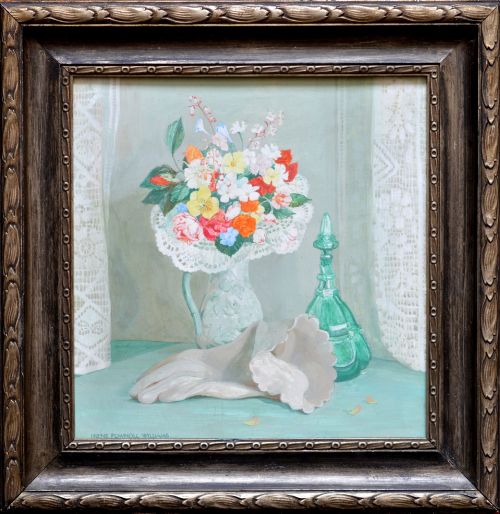
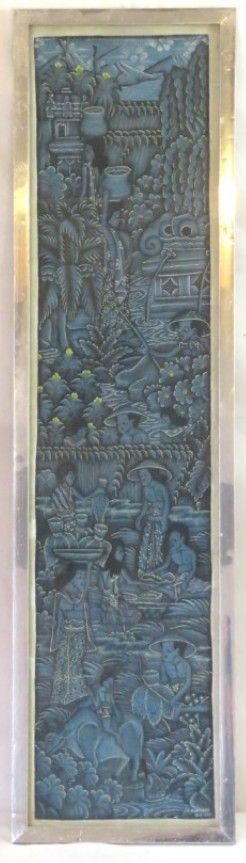
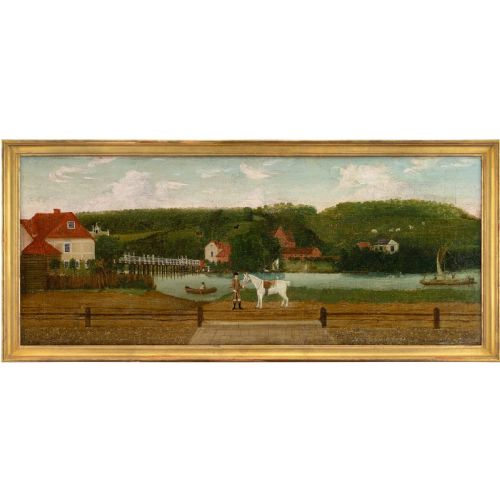
The objects take many physical forms, from large framed oil on canvas landscapes and portraits to delicate paper silhouettes and botanical prints. Works on panel, textile, and pith paper also appear alongside ornate giltwood frames that complete the historical presentation.
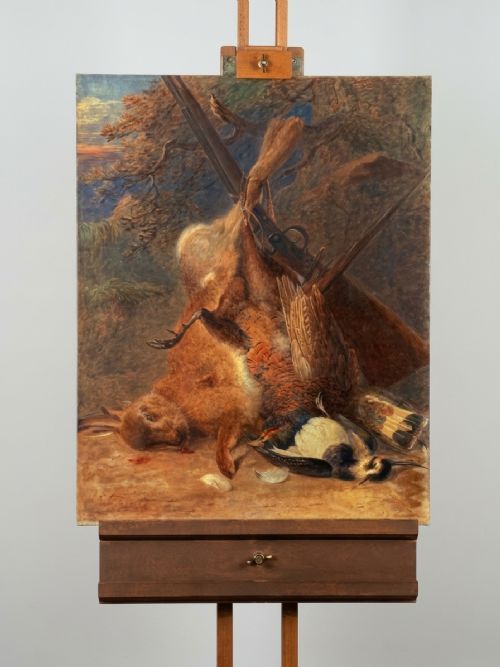
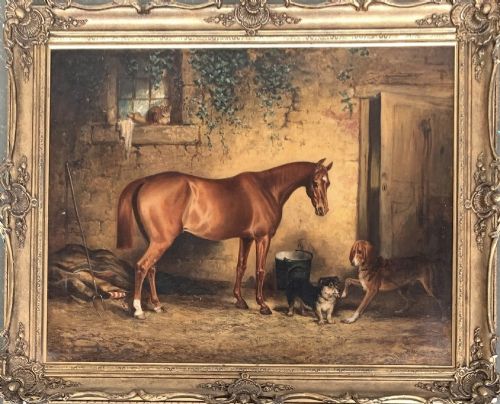
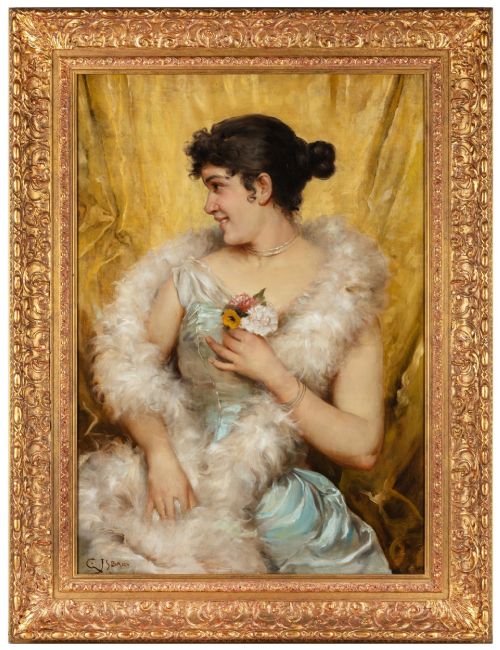
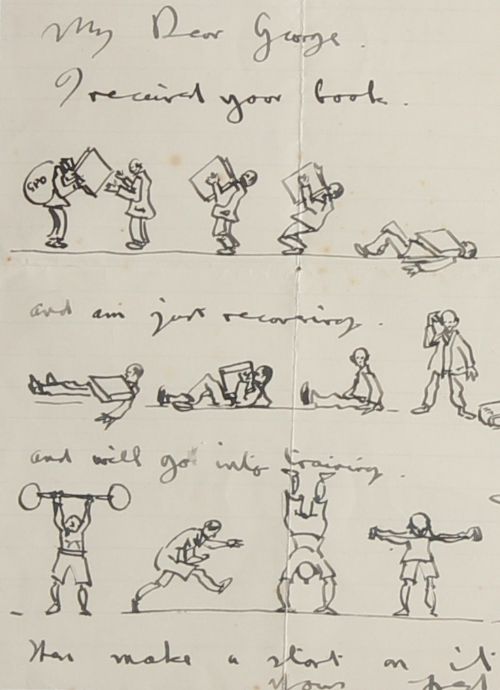
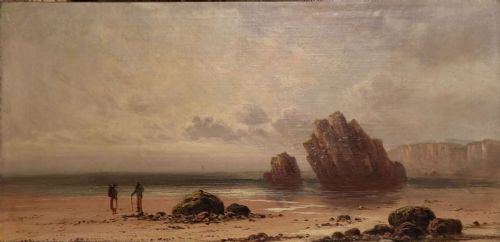
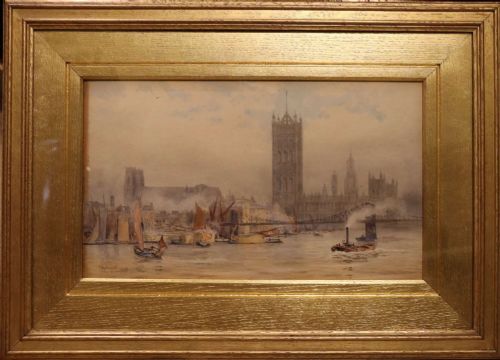
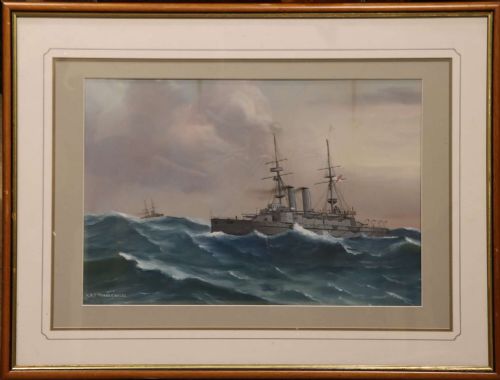
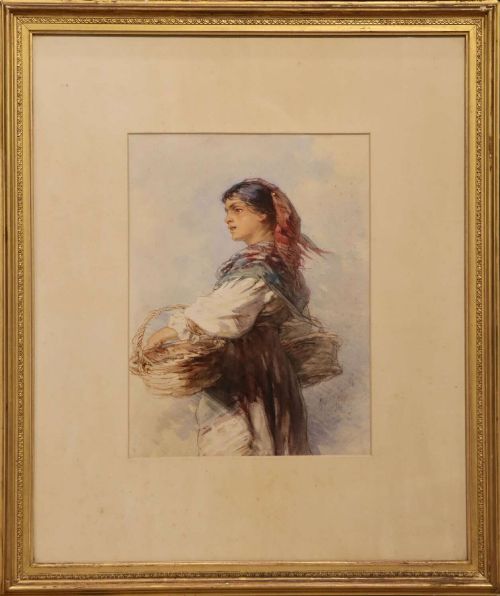
Most items reflect traditional subject matter such as maritime scenes, equine portraits, classical mythology, botanical studies, and human figures. The selection bridges formal academic portraiture and intimate domestic sketches created across diverse periods.
Materials and techniques
Makers utilised traditional mediums including oil paint applied to canvas or wood panel, watercolour on paper, and ink with wash. Many works employ bodycolour or gouache to build opaque highlights and rich tonal depth.
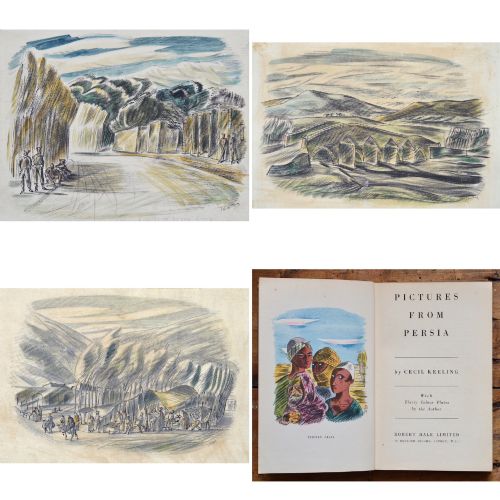
Paper works frequently involve cut paper silhouettes, etchings, mezzotint engravings, and tempera. Frames are constructed from wood and finished with gilt leaf, providing structural support and decorative enclosure.
Listings span periods from the 17th century through to the 1950s, featuring oil on canvas, paper, wood, glass, and giltwood.
Variations in quality
Quality in these pieces rests upon the surety of the draughtsmanship, the handling of the medium, and the preservation of the surface. Skilful brushwork in oils or precise control of wash in watercolours separates accomplished compositions from standard decorative output.
The relationship between the artwork and its mounting plays a major role, as period giltwood frames and original backing materials preserve the integrity of the piece. Surviving signatures, legible dates, and documented provenance elevate the standing of individual works.
David Law·George Sydney Shepherd·Henry Barraud·Fred Lawson·Irene Christobelle Pownoll Williams·H. Medlycott·Guido Bach·Theude Grönland·Sir Joseph Noel Paton·James Hardy·Bruce Bairnsfather·John Simon·Michael Dahl·Edward Fisher·Sir Joshua Reynolds·Charles-Antoine Coypel·William James Hubard·Kurt Lorein Victor Peiser·William Oliver·Eugène Verboeckhoven·Richard Sebastian Bond·Jean-Baptiste Van Loo·Peter Ford·Dennis Flanders·Mark Rothko
The Antique Artwork Glossary
- Mezzotint
- A printmaking process of the intaglio family where the plate is roughened to achieve deep tones and subtle gradations of light. This technique was frequently used for reproducing oil paintings into popular prints during the eighteenth century.
- Bodycolour
- Watercolour paint mixed with a white pigment to make it opaque, creating solid areas of colour and bright highlights. It is often combined with transparent watercolour in nineteenth-century works.
- Gouache
- A water-based paint consisting of pigment and other inert materials designed to be opaque. It provides a flat, matte surface frequently utilised in maritime and illustrative works.
- Silhouette
- A portrait cut from black paper or painted as a solid dark profile against a pale background. These works gained popularity during the eighteenth and nineteenth centuries.
- Provenance
- The documented history of ownership of an artwork that helps establish its authenticity and origin. A clear record adds significant context to historical pieces.
Antique Artwork: Frequently Asked Questions
What is antique artwork?
Antique artwork encompasses paintings, drawings, prints, and mixed media created in past centuries, typically over one hundred years old. These items reflect the artistic styles, technical methods, and cultural concerns of their respective periods.
Collectors find everything from grand oil portraits on canvas to small intimate watercolours and cut-paper silhouettes. Each piece offers a tangible link to historical visual culture.
How should I care for antique artwork?
Protecting historical pieces requires keeping them away from direct sunlight, which can fade pigments, discolour paper, and damage canvas fibres. Stable indoor humidity and temperature levels prevent warping in wooden panels and foxing on paper.
Displaying works behind appropriate glass and avoiding damp environments helps preserve the physical structure. Professional framing conservation ensures that acidic backing materials do not harm the piece over time.
How are different periods identified?
Dating artwork involves examining the materials, framing styles, stretcher construction, and signatures recorded on the piece. Canvas types, paper watermarks, and pigment formulations often point toward specific manufacturing eras.
Stylistic cues such as costume details, compositional layouts, and prevailing artistic movements also help narrow down the date of creation. Comparing a work to known dated examples by similar schools provides further confirmation.
What is the difference between an oil painting and a watercolour?
Oil paintings utilise pigments suspended in drying oils applied to stretched canvas or rigid wooden panels, allowing for rich textures and deep colour blending. They are generally more durable and do not require protective glass glazing.
Watercolours use water-soluble pigments on paper or textile supports, resulting in translucent washes and lighter optical effects. Because paper is sensitive to light and moisture, watercolours require framing behind glass for protection.