


Antique Artwork Wall Hanging
These antique artwork wall hanging pieces bring historic textiles, paintings, and carved panels straight into your rooms.
Antique Artwork Wall Hanging
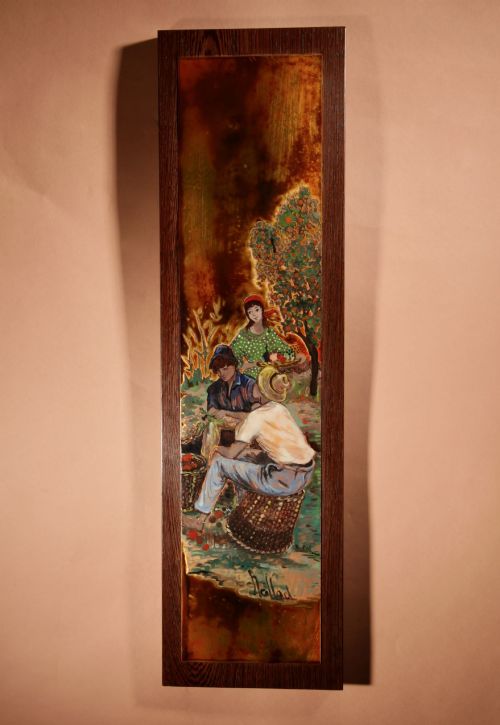
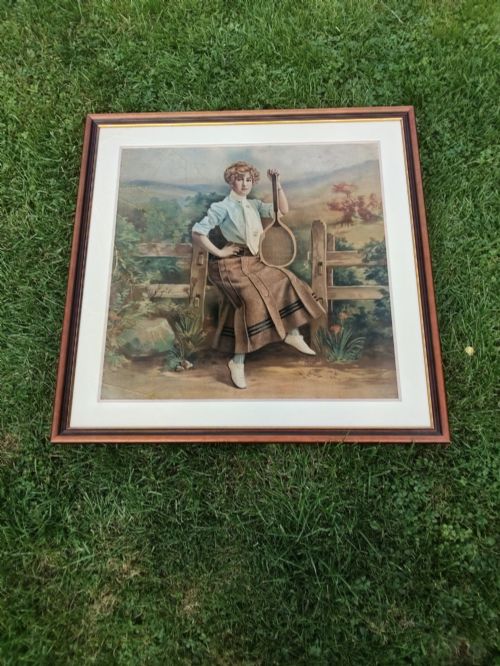
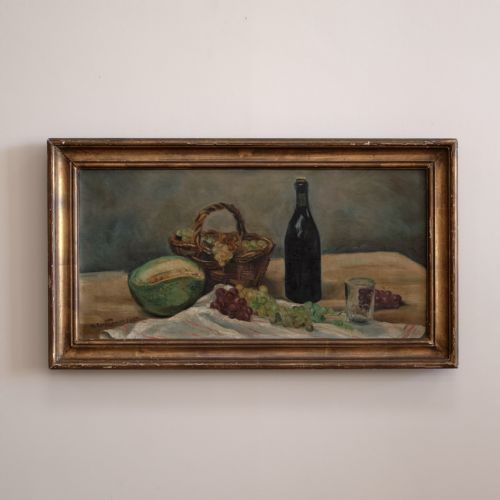
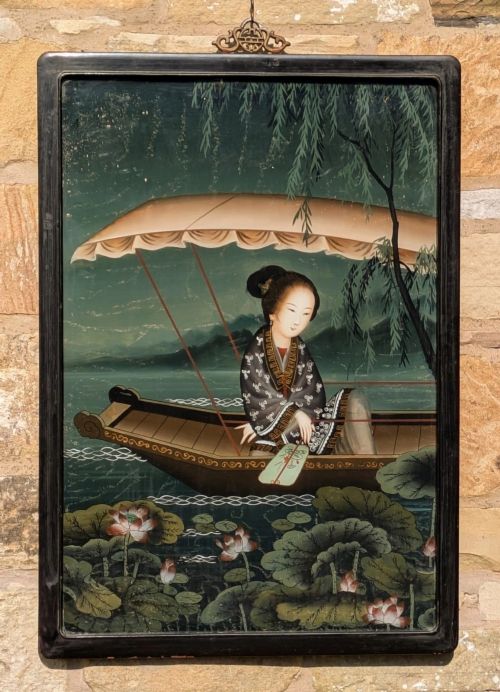
An antique artwork wall hanging covers a broad spectrum of historic decorative objects designed to be mounted directly onto interior surfaces. These pieces range from framed oil paintings and reverse glass panels to elaborate textile art and carved wooden reliefs.
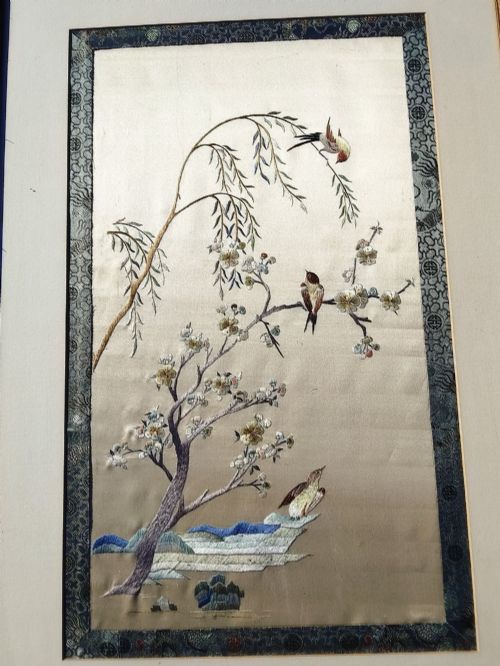
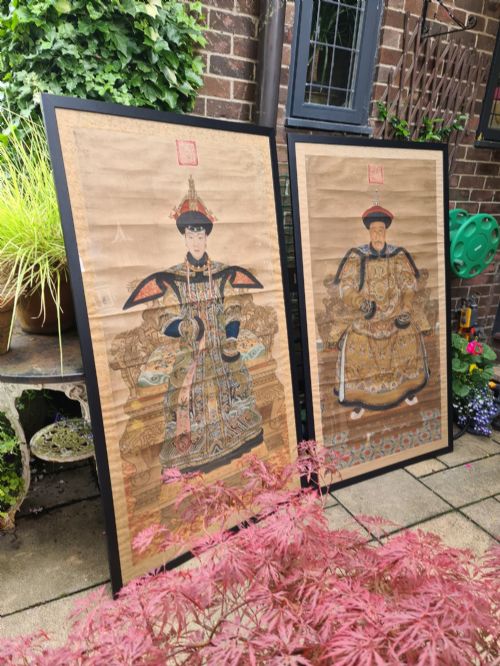
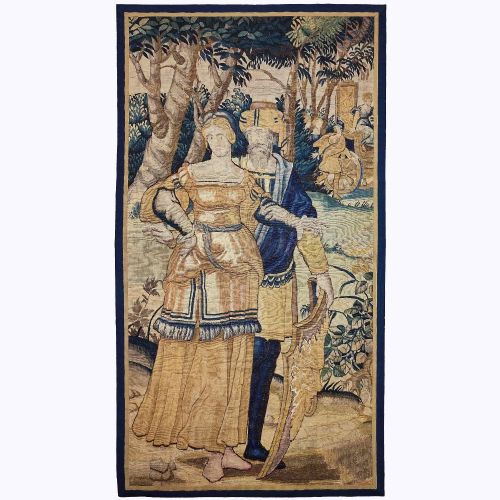
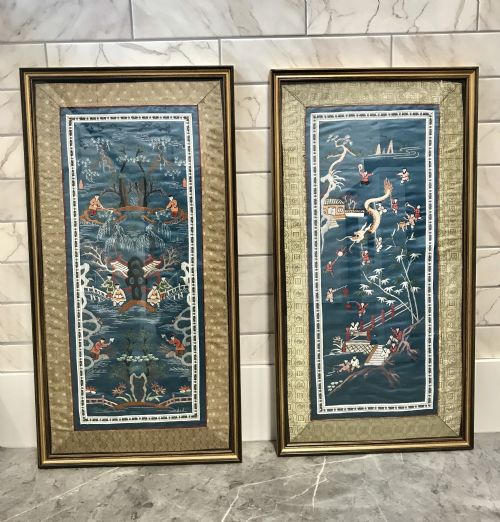
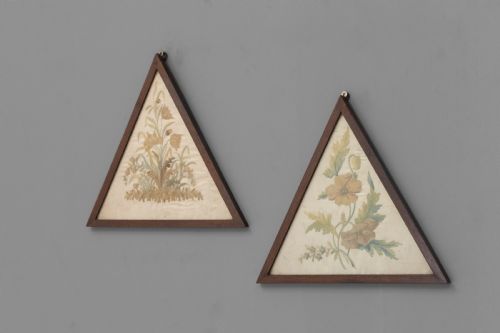
Buyers browsing this selection frequently encounter nineteenth-century Asian scrolls, framed embroidered silk panels, and European tapestry fragments. The inventory spans multiple centuries, drawing from domestic folk traditions and formal continental workshops alike.
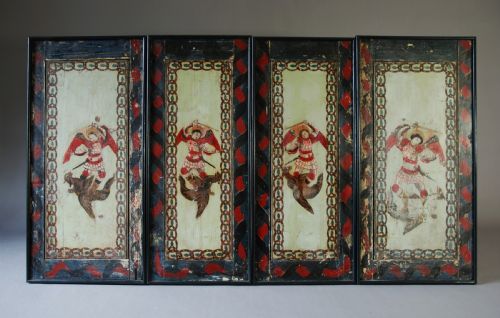
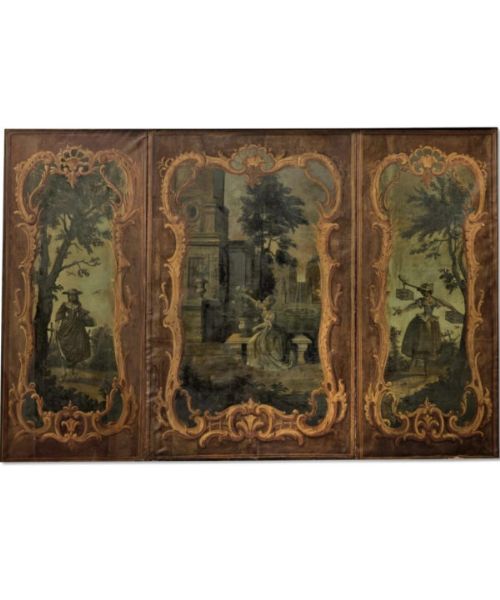
The assortment includes diverse physical forms such as painted pine panels, wall-mounted religious texts, and lacquered screens. Each format offers a distinct way to introduce historic narrative and texture to domestic spaces.
Materials and construction
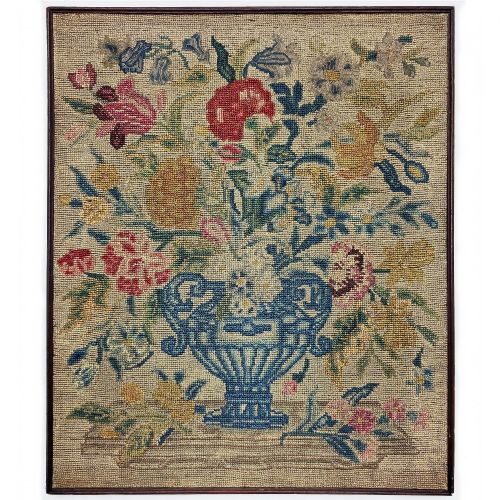
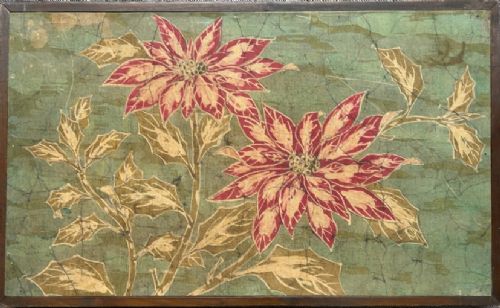
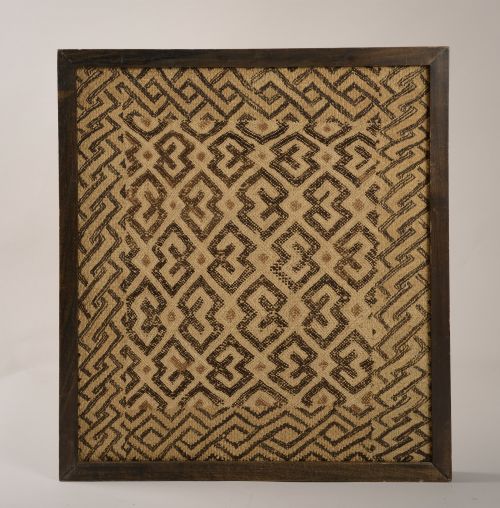
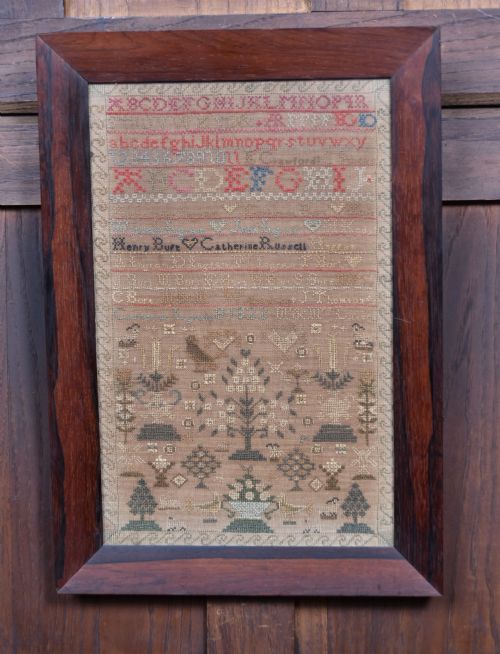
Makers utilised a rich mix of organic and inorganic substances, applying pigment to canvas, wood, paper, and prepared cloth. Textile works combine silk, wool, and cotton threads in needlework samplers, gros point, and elaborate hand-sewn embroidery.
Rigid wall hangings rely on timber supports, utilising walnut, oak, and pine for carved panels, plaques, and frames. Glass and copper elements appear alongside traditional gilt gesso work and lacquer finishes.
Antique Artwork Wall Hanging Retail Price Guide 2026
Typical asking prices for artwork wall hanging among the pieces listed under this phrase on Sellingantiques today, from the lower quarter to the upper quarter. They describe what is for sale here now, not the wider market.
The documented materials span natural textiles like silk and wool, traditional oil on canvas, carved wood, and painted glass.
Assessing the pieces
Quality rests primarily in the execution of the handwork, whether observing the brush control in an oil painting or the density and precision of stitches in a needlework panel. Finer items demonstrate superior control of composition, proportion, and line.
The preservation of original materials heavily influences distinction, as textiles and painted wood surfaces naturally suffer from age. Pieces retaining their original framing, vibrant pigment, and structural integrity stand apart from heavily restored or altered examples.
Frank Myers Boggs·Robert John Hammond·N Millett
The Antique Artwork Wall Hanging Glossary
- Gros point
- A type of needlepoint embroidery worked in a coarse cross-stitch over canvas mesh. It produces a durable, textured surface frequently seen on historic cushions and wall panels.
- Kalamkari
- A traditional type of hand-painted or block-printed cotton textile originating in India. These cloths often depict elaborate narrative scenes from mythology and epic stories.
- Reverse painting on glass
- A technique where the artist applies pigment directly to the back of a glass pane, viewed from the front to create a glossy, reflective surface.
- Scroll painting
- A flexible artwork format mounted on fabric backing, designed to be rolled for storage or hung vertically for display in Asian traditions.
- Tapestry
- A form of textile art woven by hand on a loom, combining coloured warp and weft threads to build pictorial scenes and repeating patterns.
Antique Artwork Wall Hanging: Frequently Asked Questions
How do I hang a heavy wooden panel securely?
Heavy carved wood panels and framed reliefs require robust wall fixings anchored directly into structural studs or masonry. Using rated brackets distributes the substantial weight safely across the hanging surface.
Ensure the mounting hardware matches the specific timber weight of the piece to prevent shifting or pulling away from the plaster over time.
Where should textile wall hangings be displayed?
Textile art, tapestries, and embroidered silk panels perform best when kept away from direct sunlight and damp conditions. Natural fibres fade and degrade rapidly under harsh UV exposure or moisture.
Mounting them on interior partition walls helps maintain stable environmental conditions and preserves the fragile historic threads.
How are antique oil paintings cleaned safely?
Surface dust on canvas paintings should be removed gently using a very soft, dry brush without applying downward pressure. Avoid using household cleaning liquids, water, or chemical solvents on historic paint layers.
Professional conservators should handle deeper grime, discoloured varnish layers, or flaking pigment to prevent permanent damage to the artwork.