

Antique Artwork Study
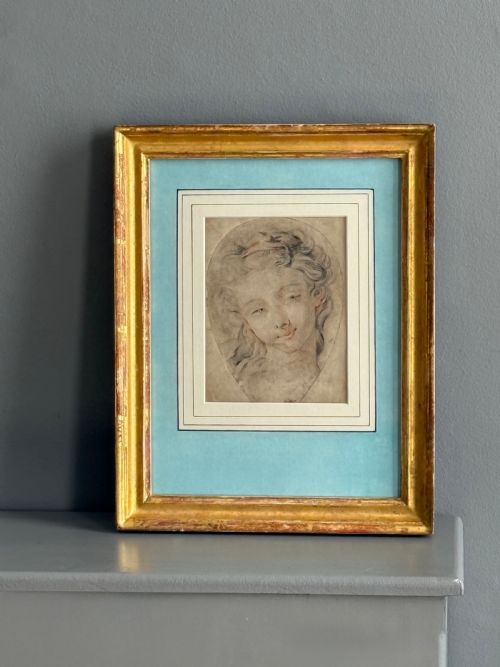
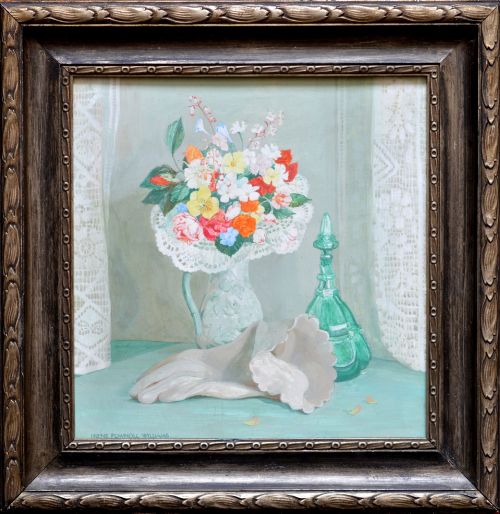
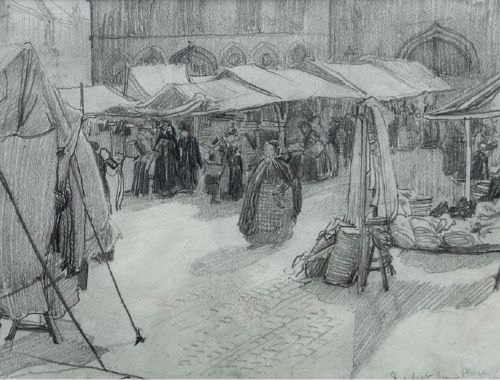
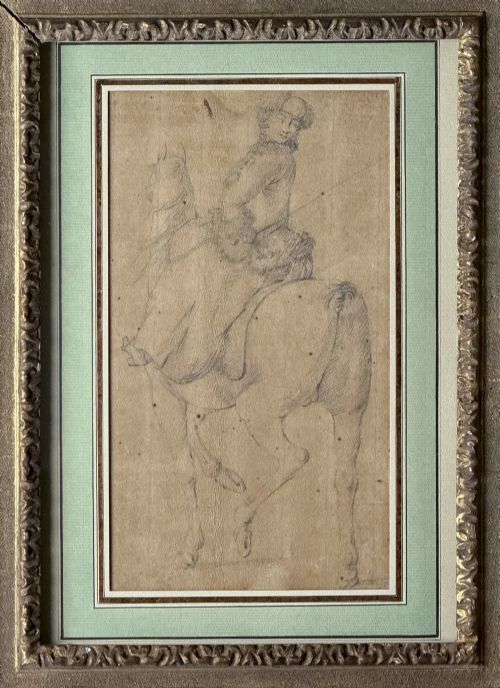
When you search for antique artwork study, you examine preparatory works and finished compositions spanning the eighteenth, nineteenth, and early twentieth centuries.
Antique Artwork Study
An antique artwork study captures the preliminary observations, academic exercises, or finished sketches created by artists before executing larger commissions. These pieces record the working methods of British, French, Dutch, and Northern European schools across multiple historical periods.
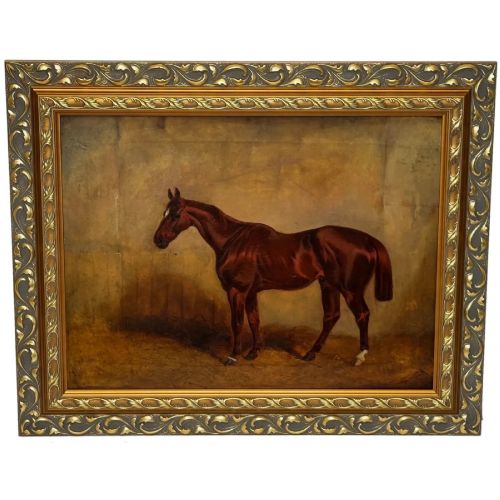
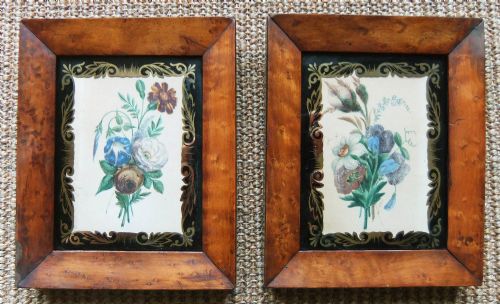
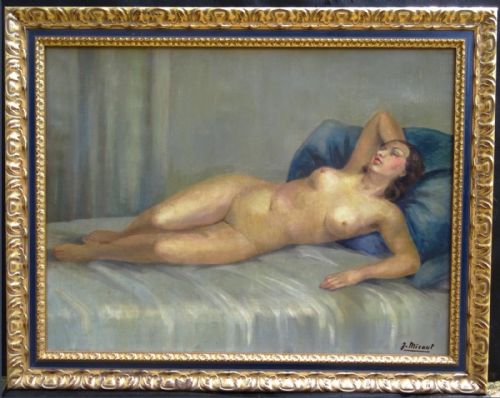
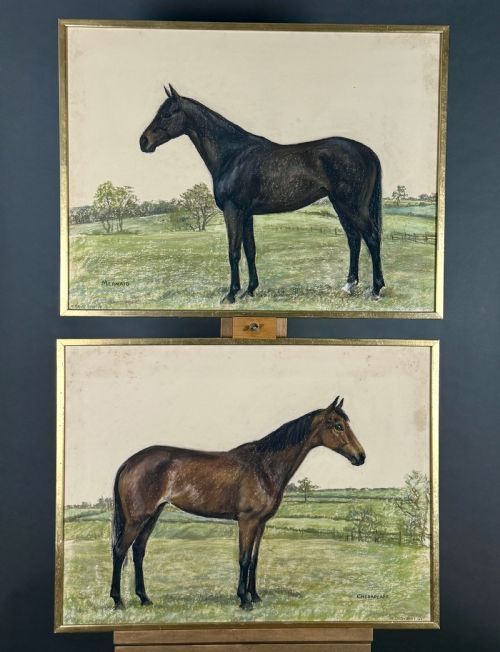
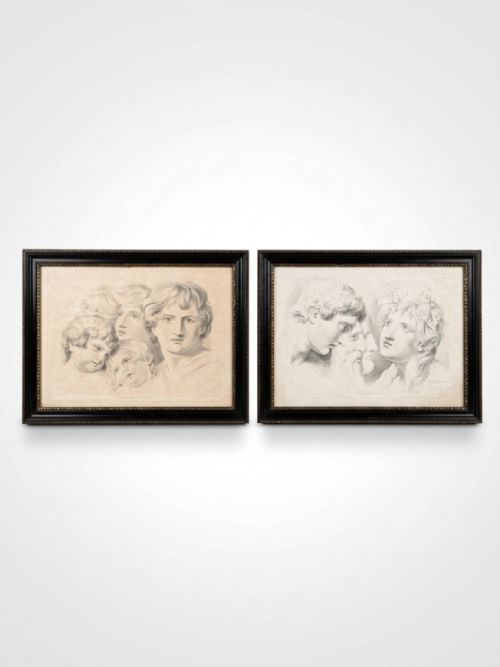
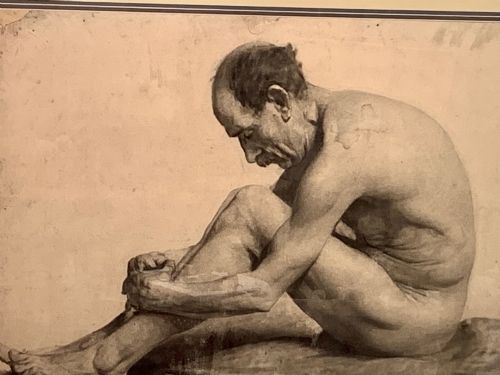
The selection on this page centres on works on paper, panel, and canvas executed in watercolour, oil, gouache, graphite, pastel, and ink. Buyers encounter botanical watercolours, equestrian pastels, academic nudes, and topographical drawings.
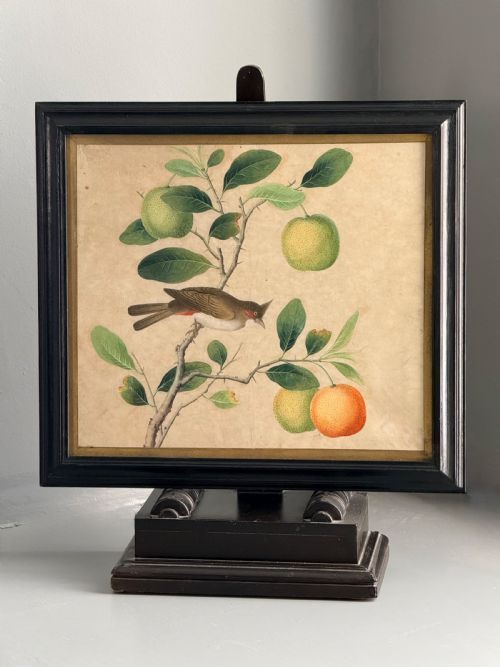
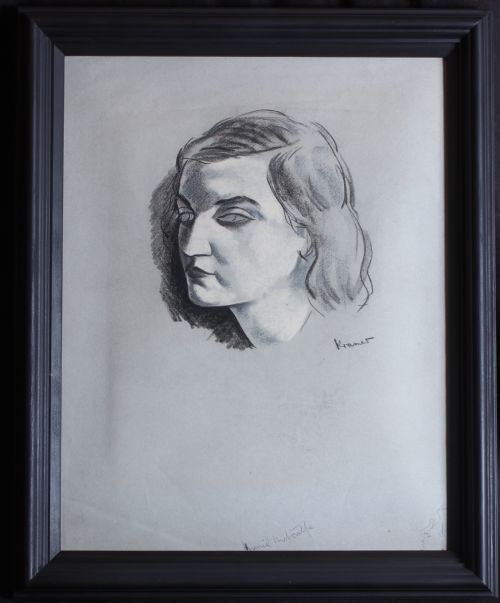
The material ranges from eighteenth-century gouache on pith paper to twentieth-century mixed media and pencil sketches. Each object reflects the stylistic tendencies of its era, from Georgian neoclassicism to Art Deco portraiture.
How they were made
Artists executed these studies using traditional media applied to appropriate supports such as laid paper, buff paper, wooden panels, and primed canvas. Watercolour and gouache demanded precise brushwork on absorbent surfaces, while graphite and pastel required careful blending and fixed application.
Oil paint and tempera on panel offered greater working time for blending tones and building up layers in portraits and still life compositions. Etchings and wash drawings involved incised plates or applied ink washes to achieve tonal depth.
Listings feature paper, canvas, wood, and glass supports, employing watercolour, oil paint, graphite, pastel, tempera, gouache, and ink.
What varies in quality
The distinction between ordinary and exceptional works rests on the surety of the draftsman's line and the sensitivity of the tonal handling. A superior study demonstrates confident economy of mark-making that reveals the artist's immediate understanding of form and light.
Condition and preservation heavily influence the standing of a piece, particularly with works on paper susceptible to light degradation or foxing. Stronger examples retain their original pigments and sit within period frames that complement their aesthetic.
Francois Boucher·Irene Christobelle Pownoll Williams·Henry Percy Huggill·James Smetham·William Etty·William Marshall Craig·J. M. W. Turner·R. Hurst·Augustus John·Stephen Pearce·Henri Charles Angéniol·Sir Peter Markham Scott
The Antique Artwork Study Glossary
- Gouache
- An opaque watercolour paint rendered by mixing water-bound pigments with a white filler such as chalk. This technique creates matte surfaces with dense highlights.
- Panel
- A rigid support typically made of wood upon which artists applied ground and paint. Panel paintings often survive from earlier centuries when canvas was less common.
- Pastel
- A dry drawing medium composed of powdered pigment and a binder rolled into sticks. Pastels produce velvety textures requiring careful glazing behind glass.
- Wash
- A thin, transparent layer of diluted ink or watercolour applied across paper to establish shadow or background tone. Artists frequently combined washes with pen and ink outlines.
Antique Artwork Study: Frequently Asked Questions
What is an artwork study?
An artwork study is a preparatory piece or minor work created by an artist to explore a subject, test colours, or practise technique before painting a larger canvas.
These pieces offer insight into the creative process, showing direct marks and corrections that finished exhibition paintings often conceal.
How should I frame works on paper?
Works on paper require conservation mounting using acid-free materials to prevent chemical degradation over time. Glazing with UV-filtering glass protects delicate watercolours, pastels, and drawings from fading in direct sunlight.
Selecting period-appropriate frames, such as rosewood or gilt moulding, enhances the visual presentation without compromising the integrity of the artwork.
How can I identify the period?
Dating relies on stylistic markers, framing conventions, and the physical characteristics of the paper, canvas, or panel support. Georgian and Victorian works often display specific handwriting, watermark evidence, or academic subject matter typical of nineteenth-century training.
Comparing signatures, exhibition labels, and artist biographies provides further chronological certainty.
Where were these studies created?
Many studies originated in European academies, artist studios, or during travels associated with the Grand Tour. Schools from Britain, France, and the Netherlands produced distinct academic and plein-air traditions represented in these listings.
Artists frequently worked outdoors for landscape and architectural sketches or indoors from live models for portrait and figure studies.