


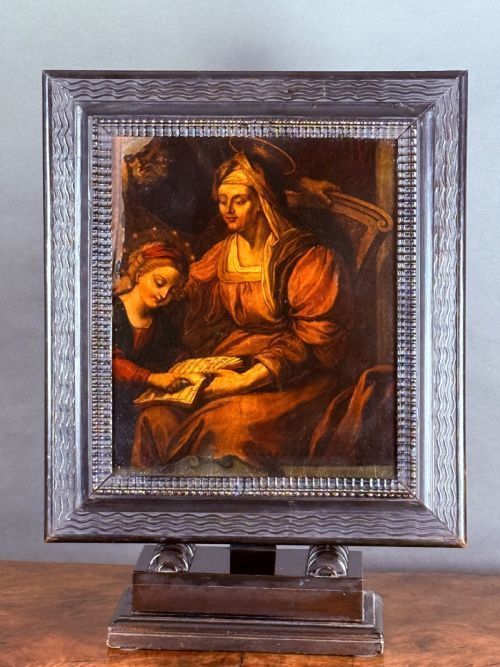
Antique Artwork on Wood
Antique artwork on wood brings centuries of painting on panel, board and carved timber straight into your home.
Antique Artwork on Wood
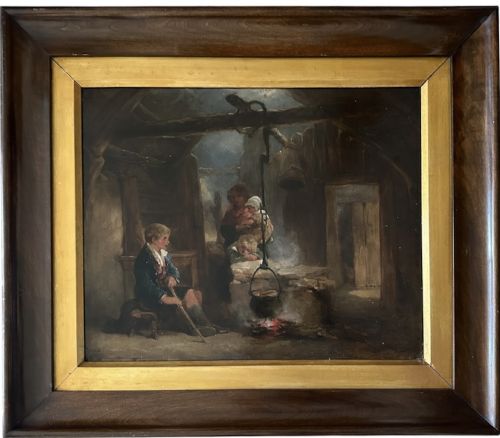
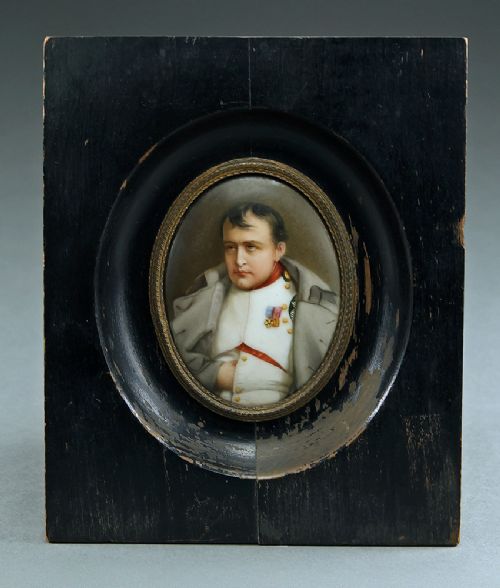
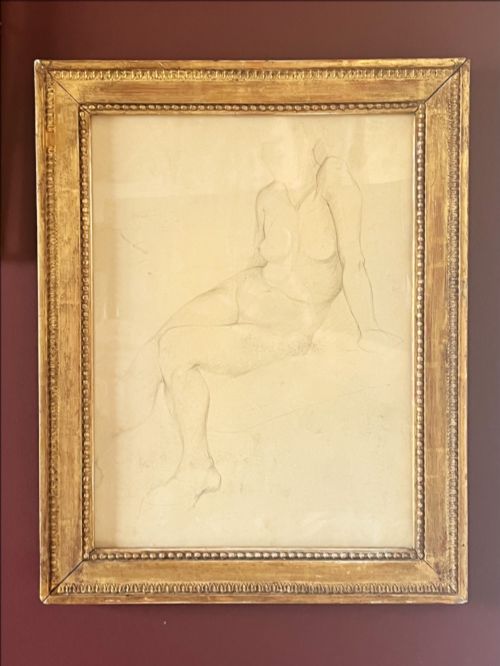
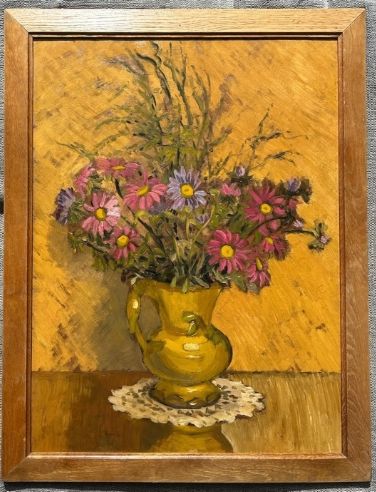
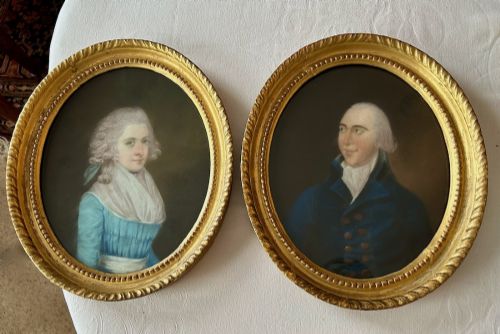
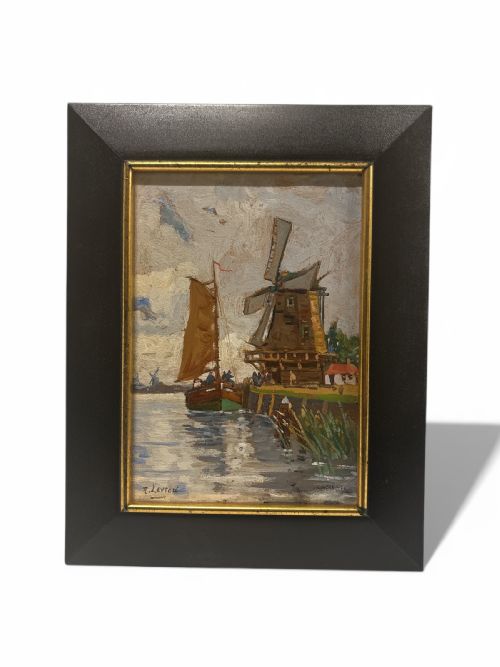
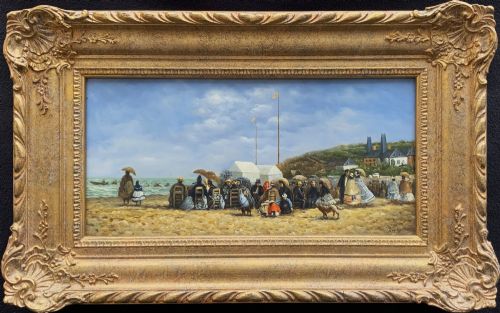
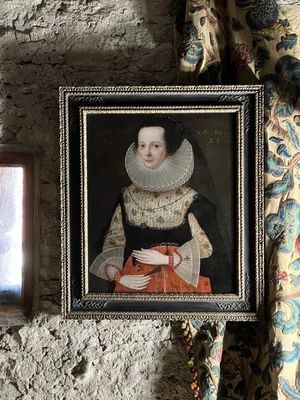
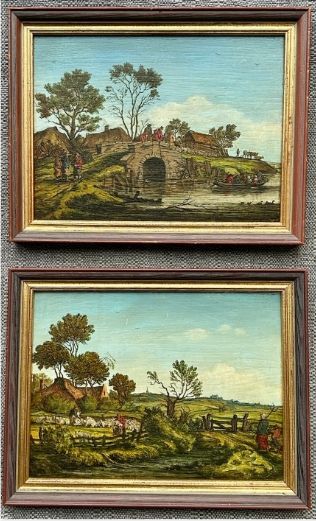
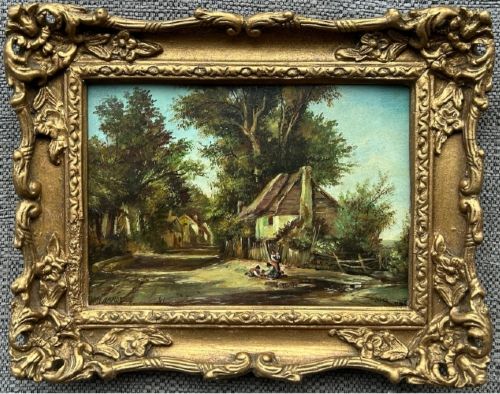
When you search for antique artwork on wood, you encounter painted panels, oil portraits, and carved timber fixtures dating from the seventeenth century through to the mid twentieth century. These works showcase subjects ranging from formal noble portraits and Dutch still lifes to pastoral landscapes and marine scenes rendered directly onto rigid wooden supports.
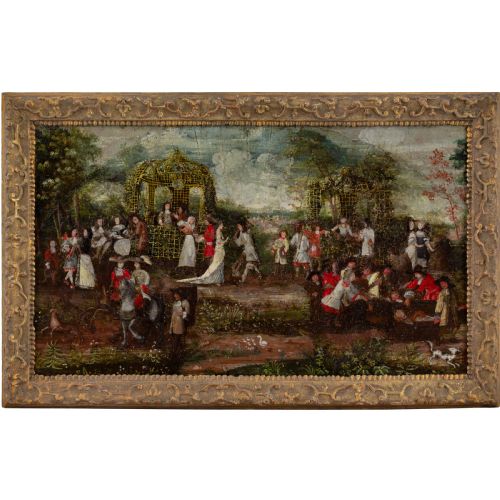
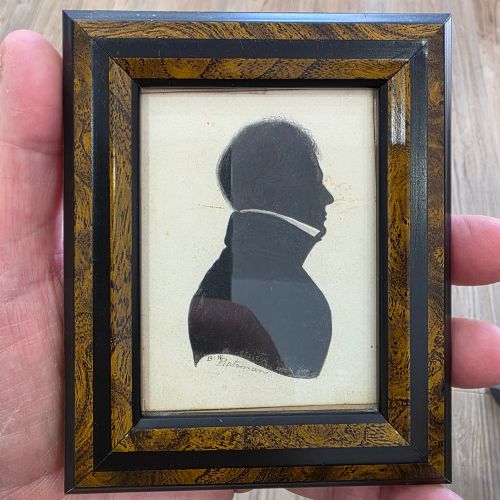
The selection on this page relies heavily on nineteenth and eighteenth century examples, alongside notable seventeenth century English and European school pieces. You will frequently find oil paintings on wood panel alongside naive pine panels, botanical watercolours in rosewood frames, and carved decorative elements.
Makers and regional schools represented span British, Flemish, French and Italian traditions, giving collectors a diverse geographical range. Whether dealing with a signed Scottish highland landscape or an anonymous Flemish style panel, each item displays the enduring stability of wood as a painting substrate.
How they were made
Artists painted directly onto prepared timber substrates using oil paint, utilising the rigidity of wood panels to achieve fine detail without the slackness associated with stretched canvas. Wood panels were often planed, primed with gesso or grounds, and selected for stability to prevent warping over centuries of changing atmospheric conditions.
Framing played an integral role in presentation and preservation, utilising gilt wood, carved timber, and rosewood to complement the artwork. Mezzotints, prints and drawings also utilised specialised mounting behind glass, while carved wood panels utilised relief techniques to shape architectural and decorative subjects.
Materials recorded across the selection include oil paint, gold leaf, gilt wood, paper, glass, and canvas alongside solid wood.
What varies in quality
The mastery of the artist defines the upper tier of these works, visible in the handling of light, anatomical precision, and the expressive depth of portraiture or landscape. Lesser examples may exhibit rigid compositions or naive execution, though naivety often carries its own period charm.
The condition of the wooden support and the original paint layer dictates the longevity and visual integrity of each piece. Superior items retain their original frames, stable panels free from severe splits, and minimal overpainting, whereas compromised works suffer from heavy restoration or warping.
Joseph Clover RA·Tom Campbell·William Howard Hardy·Stephen Samuel Lewin·Frank Watson Wood
The Antique Artwork on Wood Glossary
- Panel
- A flat piece of wood used as a support for a painting instead of canvas. Panels provide a rigid surface that allowed artists to apply fine glazes and meticulous brushwork.
- Oil on Panel
- A painting technique where oil colours are applied directly to a prepared wooden board. This method was favoured by Dutch, Flemish and British masters for its durability.
- Mezzotint
- A printmaking process of the printmaker's art that achieves tonal gradation through roughening a metal plate with a rocker. Early examples include reverse glass mezzotints.
- Pastel
- A medium consisting of powdered pigment and a binder, worked in stick form on paper or wood. Pastel portraits require protective framing behind glass to prevent the pigment from dusting off.
Antique Artwork on Wood: Frequently Asked Questions
Are wooden panels better than canvas?
Wooden panels offer a completely rigid support that does not slacken or sag over time like fabric canvas. This stability made them the preferred choice for detailed sixteenth, seventeenth and eighteenth century paintings.
However, wood remains sensitive to drastic shifts in humidity and temperature, which can cause the timber to warp or split if the environment is unregulated.
How should I hang my wooden artwork?
Hang your piece on an interior wall away from direct sunlight, radiators, and active heat sources. Rapid temperature changes cause wood to expand and contract, placing stress on both the panel and the paint.
Ensure the hanging hardware is securely fixed to the wall and matches the weight of the frame. Use a professional mirror and picture hanger rated well above the weight of the artwork.
How can I tell the age of the panel?
The age of a wooden support is indicated by the tool marks left on the reverse, the species of timber used, and the method of preparation. Older panels often show hand-planing marks, shrinkage cracks, and period framing techniques.
Comparing the style of the painting, pigments, and any signatures or inscriptions on the back provides further context for dating the piece accurately.