

Antique Artwork in Frame
When choosing an antique artwork in frame, you select from centuries of paintings, prints, and silhouettes preserved behind glass and wood.
Antique Artwork in Frame
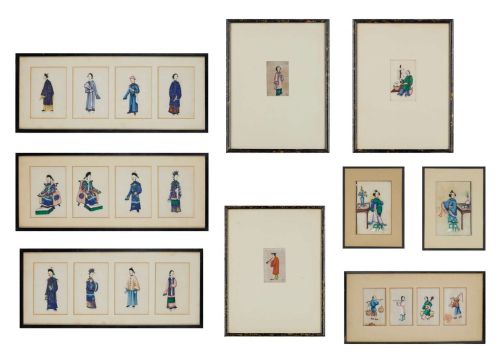
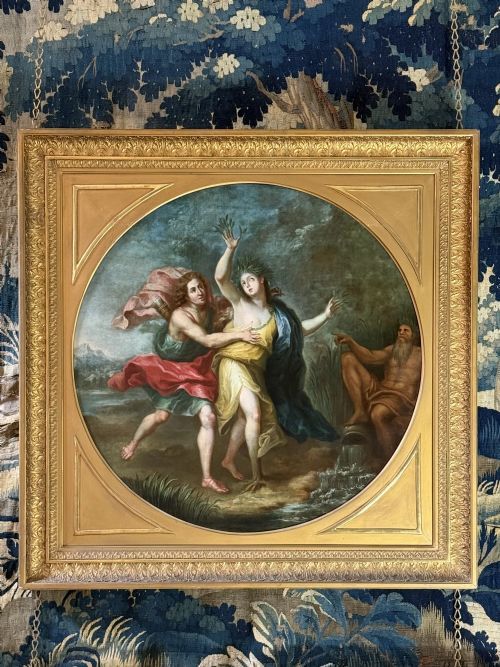
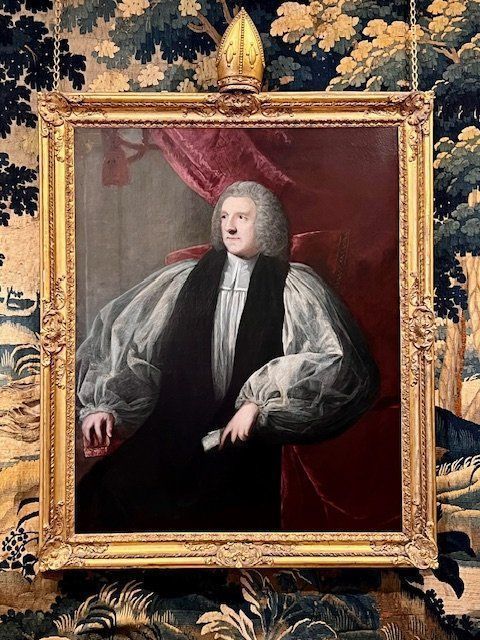
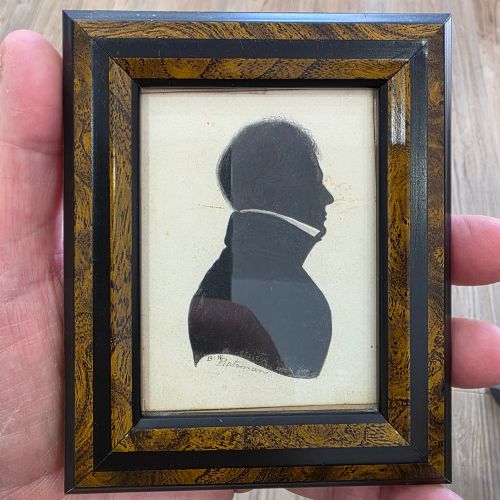
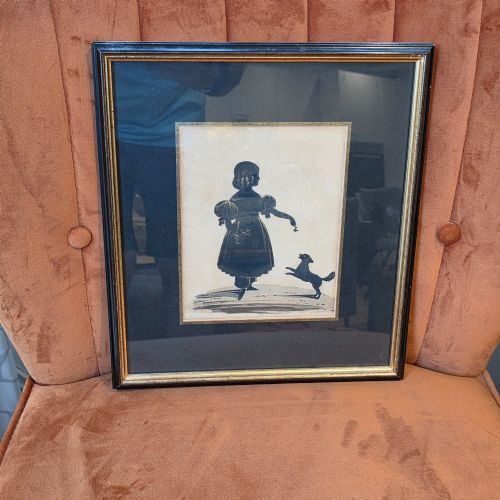
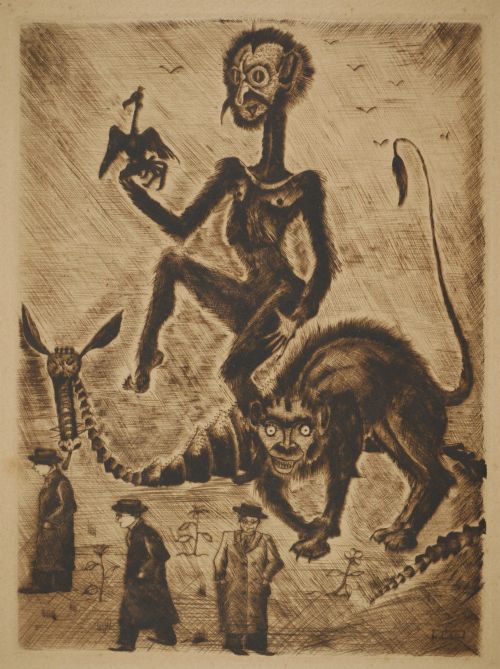
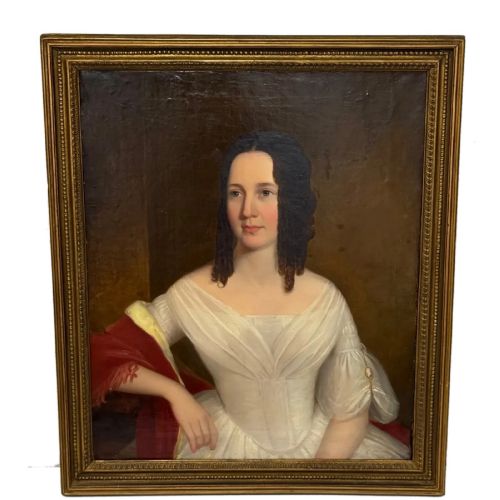
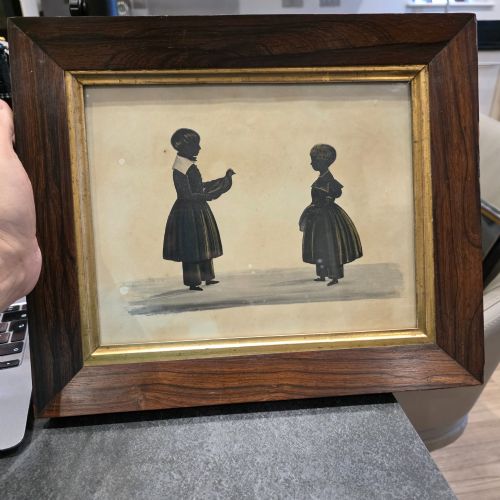
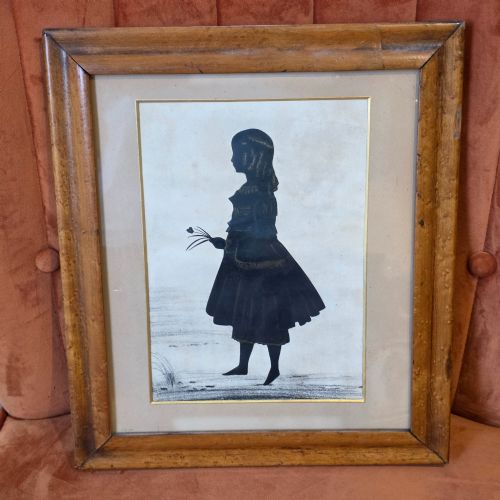
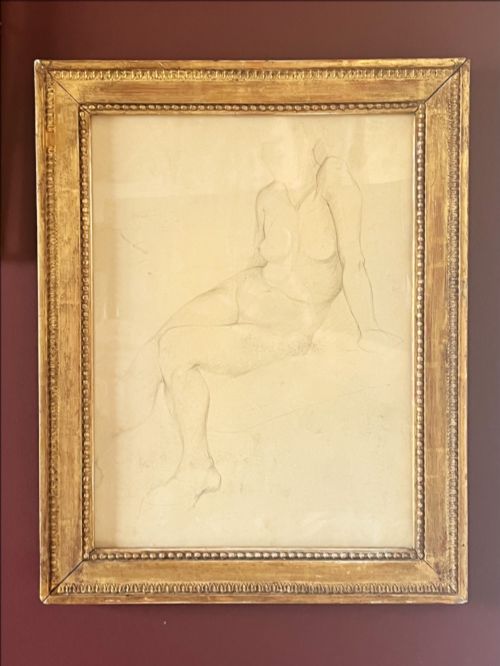
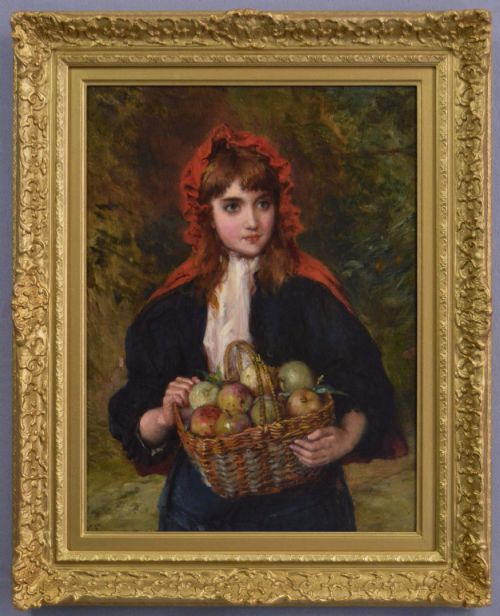
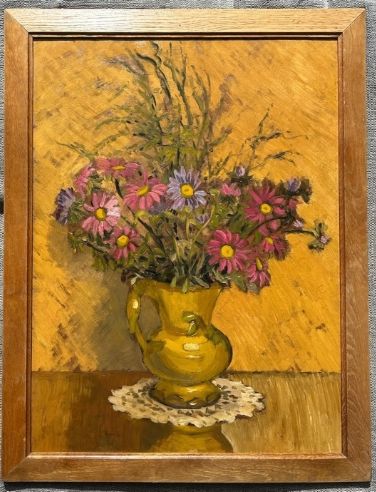
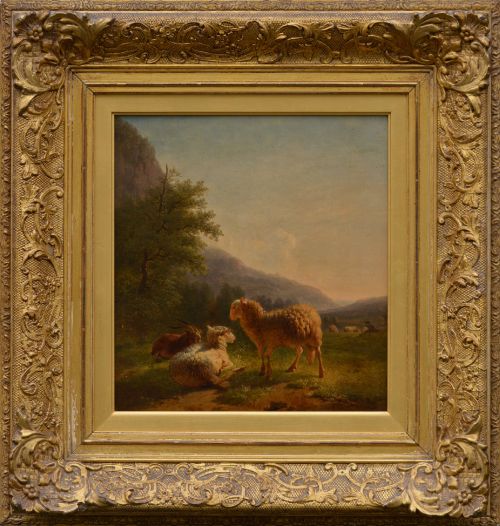
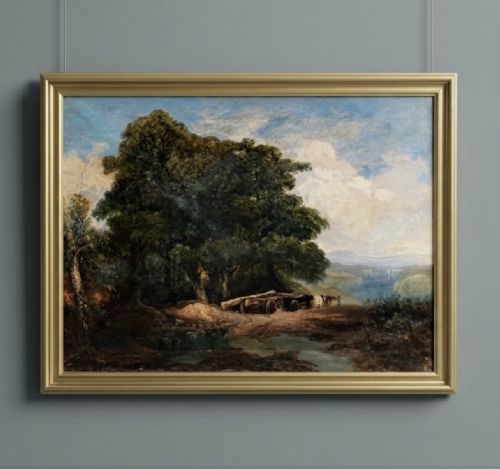
An antique artwork in frame encompasses oil paintings, watercolours, silhouettes, pastels, and engravings produced from the seventeenth century through to the mid-twentieth century. Buyers encounter formal portraits, landscapes, and Chinese pith paintings enclosed in period surrounds of wood, gilt, and glass.
The selection ranges from Georgian and Regency portraiture to Victorian landscapes and early twentieth-century prints. These works reflect diverse stylistic movements including Baroque, French Rococo, Surrealism, and Impressionism.
How they were made
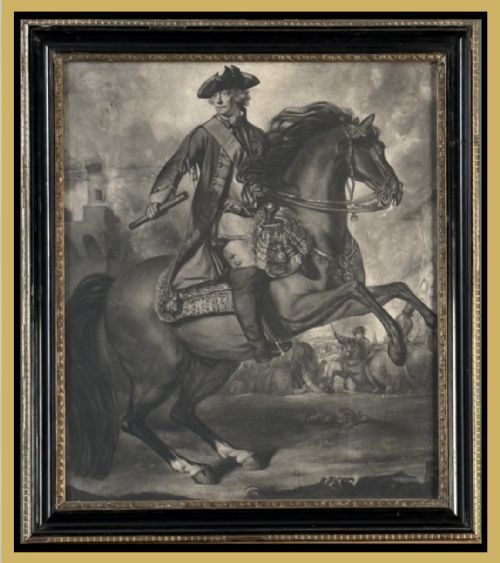
Makers applied oil paint to canvas or panel, watercolour and ink to paper, and gouache to pith paper, often utilising hand-cut silhouettes and detailed mezzotint engraving techniques. Works were subsequently housed in handcrafted frames of giltwood, carved wood, or oak.
Materials span traditional supports such as canvas, paper, glass, and textile, complemented by ornate wooden moulding structures designed to protect and display the imagery.
Racing pigeons and domestic ducks occasionally share wall space with stately dukes and classical deities.
What varies in quality
Quality rests in the precision of the medium's application, whether the refined brushwork of an oil portrait or the meticulous cutting of a paper silhouette. Masterful handling of light, proportion, and line distinguishes accomplished works from simpler production.
The integrity and period compatibility of the frame also influence the overall standard, alongside the survival of the original surface and the documentation attached to the maker or sitter.
Michael Dahl·Edward Fisher·Sir Joshua Reynolds·William James Hubard·Kurt Lorein Victor Peiser·Eugène Verboeckhoven·Richard Sebastian Bond·Jean-Baptiste Van Loo·Joseph Clover·Thomas Miles Richardson Jnr·George Fotherly Hargitt·William Henry Earp·Felix Stone Moscheles·Sir James Dromgole Linton·Jean Mariette
The Antique Artwork in Frame Glossary
- Mezzotint
- A printmaking process of the intaglio family where the plate is roughened to achieve tones and dark shades. It allows for subtle gradations of light and shadow, frequently utilised for portraiture.
- Silhouette
- A solid shape of a person, object, or scene usually restricted to a single colour, cut from paper or painted. Early examples frequently incorporate delicate watercolor detailing.
- Giltwood
- Wood that has been prepared and coated with a thin layer of gold leaf. It is commonly found on ornate antique picture frames.
- Pith paper
- A delicate material made from the pith of the Tetrapanax papyrifer plant. It serves as a traditional East Asian painting surface.
- Pastel
- A dry drawing medium in the form of a stick, consisting of powdered pigment and a binder. Works executed in this medium require glass protection.
Antique Artwork in Frame: Frequently Asked Questions
How do I date an antique frame?
Dating relies on the construction techniques, corner joints, moulding profiles, and materials such as gesso and giltwood used by period framers.
Changes in decorative motifs across centuries also help align the frame style with the period of the artwork it encloses.
Can I hang oil paintings in direct sunlight?
Direct sunlight damages oil paintings and works on paper by fading pigments and causing canvas or wood panels to warp.
Displaying pieces away from windows and severe temperature shifts preserves the stability of both the artwork and its frame.
What is the difference between an engraving and a mezzotint?
An engraving uses direct lines cut into a metal plate to form an image, whereas a mezzotint works from dark to light by roughening the entire plate.
This textured plate preparation gives mezzotints their characteristic tonal depth and velvety shadows.
How should I clean antique glass?
Antique glass requires gentle cleaning with a soft cloth slightly dampened with a mild, non-ammonia cleaner applied to the cloth rather than the glass.
Care must be taken to prevent moisture from seeping under the rebate and touching the paper, canvas, or pigment.