
Antique Artwork Fine Art
Antique artwork fine art encompasses centuries of painted and drawn expression, capturing historical portraiture and landscapes that bring traditional character into modern interiors.
Antique Artwork Fine Art
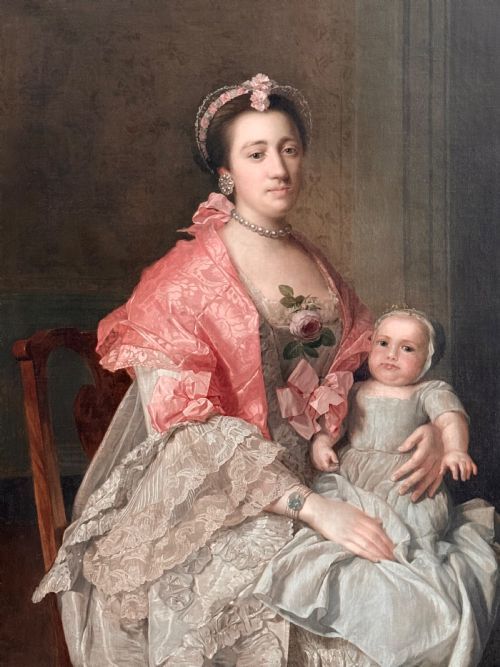
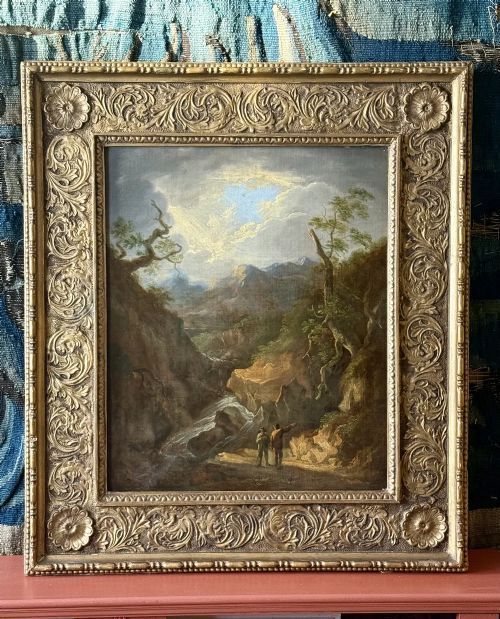
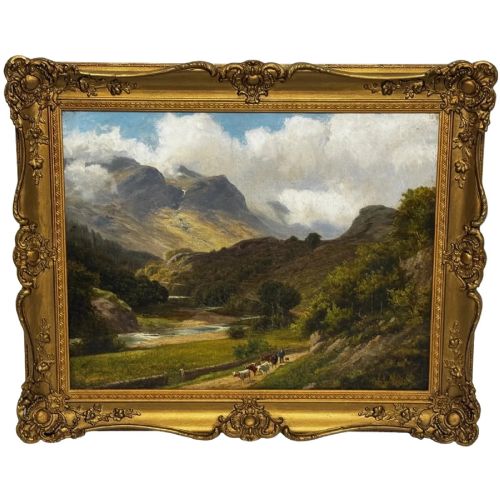
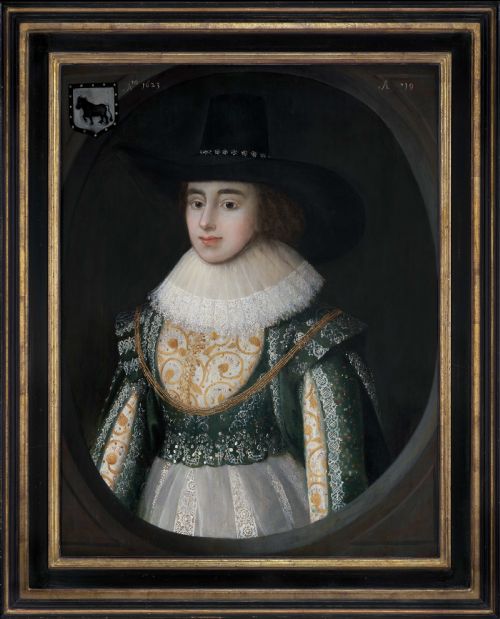
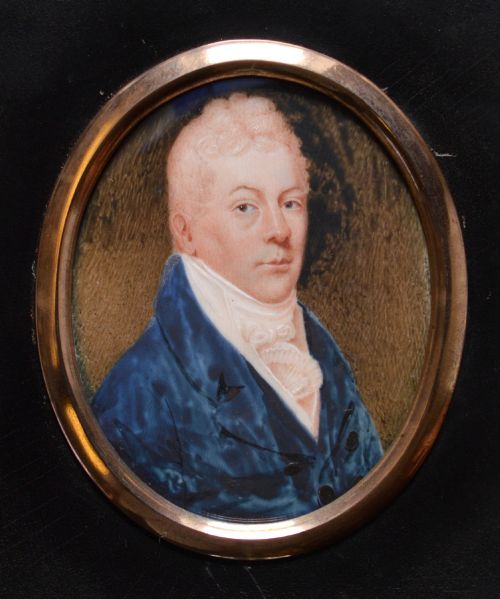
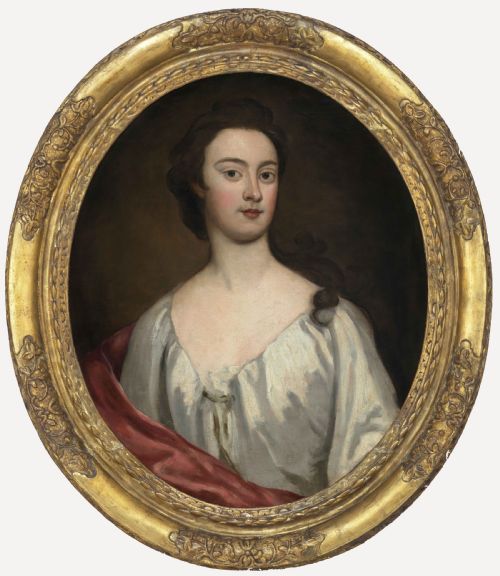
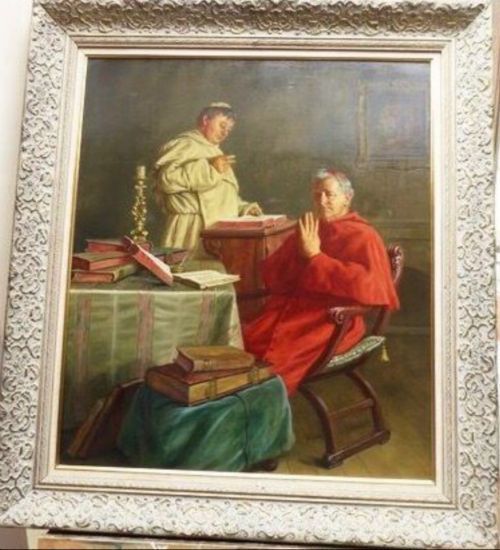
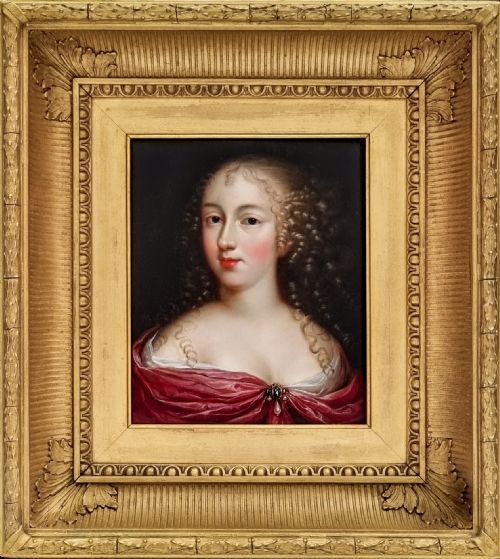
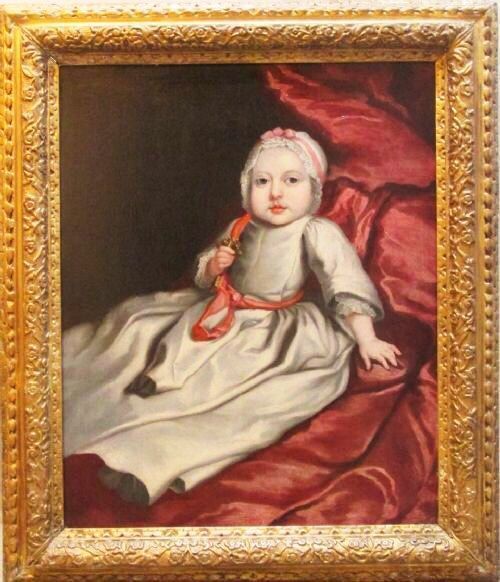
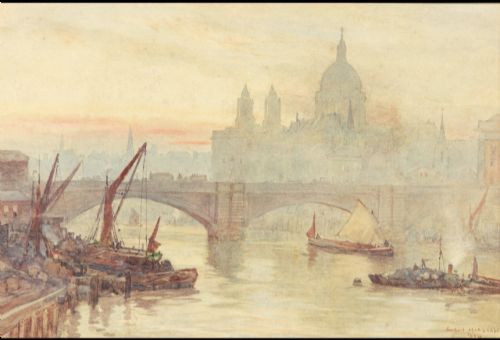
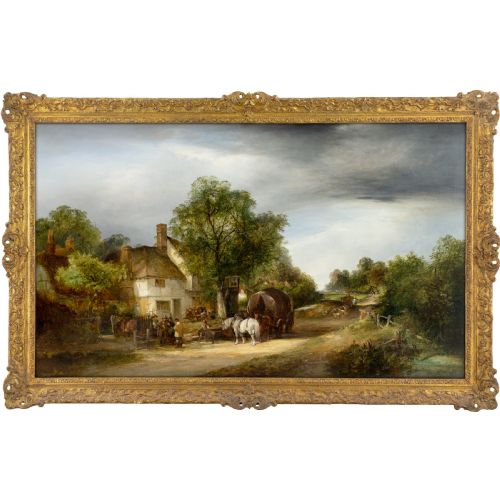
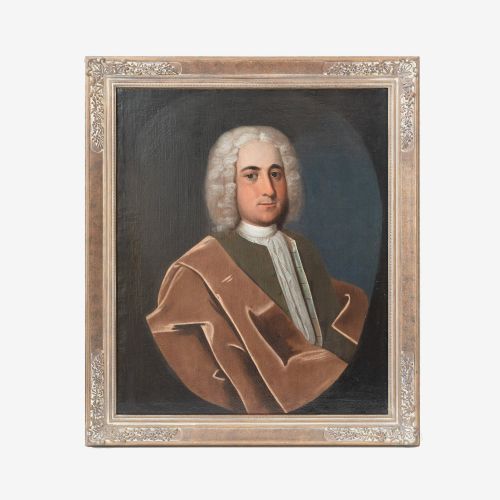
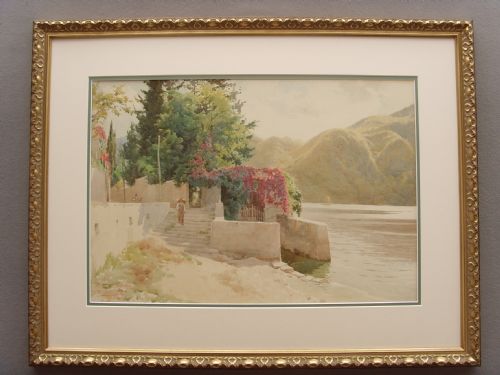
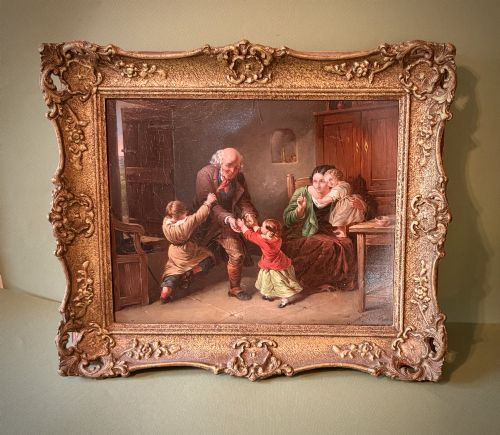
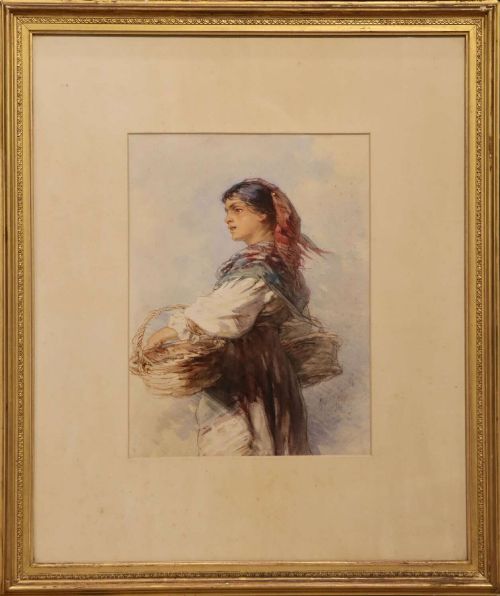
When searching for antique artwork fine art, collectors encounter a diverse array of framed oil paintings, watercolours, pastels, and silhouettes produced across the seventeenth, eighteenth, and nineteenth centuries. These pieces predominantly take the form of portraiture and landscape scenes executed by British and European hands.
The selections span distinct periods including the Georgian era, Regency period, and Victorian epoch, alongside specific stylistic movements such as Baroque and British Impressionism. Buyers will frequently find individual portraits and paired compositions reflecting the artistic conventions of their respective decades.
How They Were Made
Makers utilised oil paint applied to canvas, wood panels, or paper, often incorporating gold leaf and giltwood framing to elevate the presentation of the imagery. Watercolours and pastels on paper also feature prominently across the selection, capturing fine linear detail.
Techniques range from traditional brushwork in oil on canvas to delicate cut-paper silhouette work combined with watercolour. Artists employed specialised grounds and pigments appropriate to the seventeenth, eighteenth, and nineteenth centuries.
Listings feature oil on canvas, wood panels, and watercolours spanning the 17th, 18th, and 19th centuries.
What Varies in Quality
The standard of execution in antique artwork fine art depends upon the precision of the draughtsmanship and the expressive depth achieved by the painter, whether working independently or within a recognised studio circle. Superior examples demonstrate confident handling of light, shadow, and anatomical structure.
The preservation of the original medium, whether oil on canvas or delicate pastel on paper, alongside the integrity of the period framing, distinguishes finer pieces from more standard works.
Charles Antoine Coypel·Eugène Verboeckhoven·Edward Fisher·Jean Baptiste Van Loo·Joseph Clover·David Scougall·William Beattie Brown·Maurice Quentin de la Tour·Sir Martin Archer Shee·Felix Stone Moscheles·Richard Principal Leitch·Sir James Dromgole Linton·John R Prentice·Tom Campbell·Dumini Leopoldo·Frederick Marriott·Henry Stacy Marks·George Willison·John Opie·Joshua Reynolds·Jeremiah Davison·Francois Boucher·John Horace Hooper·Robert Heinrich·Mary Beale
The Antique Artwork Fine Art Glossary
- Oil on Canvas
- A traditional painting medium where pigments are suspended in drying oils and applied to a woven fabric support. This technique allowed artists to achieve rich colours and subtle tonal gradations.
- Giltwood
- Wood that has been coated with a thin layer of gold leaf or gold paint. It is commonly found on decorative antique frames.
- Mezzotint
- A printmaking process of the printmaker's art that allows for deep tones and smooth gradations of light and shade. It was frequently used for reproducing oil portraits.
- Watercolour
- A painting method where paints are made of pigments suspended in a water-soluble vehicle. It is typically executed on paper supports.
- Baroque
- An ornate artistic style prevalent in the seventeenth and eighteenth centuries, characterised by drama, tension, and grandeur. Works in this style display theatrical lighting and dynamic compositions.
Antique Artwork Fine Art: Frequently Asked Questions
What periods do these paintings cover?
The selection spans from the seventeenth century through the Georgian and Regency periods into the Victorian era and early twentieth century. Each period brings distinct clothing styles and painting techniques.
Collectors can trace the evolution of portraiture and landscape depiction across these centuries, noting shifts in palette and composition.
How should I care for antique watercolours?
Watercolours on paper are sensitive to direct sunlight and high humidity, which can cause fading and discolouration over time. They should be hung away from bright windows and framed with conservation glass.
Stable indoor temperatures help preserve the paper support and prevent warping or foxing.
What is the difference between an oil painting and a pastel?
Oil paintings utilise pigment bound in drying oil applied to canvas or wood panels, offering a durable and rich surface. Pastels consist of powdered pigment mixed with a binder, creating a soft, chalky appearance on paper.
Pastel works require protective glass glazing to prevent the delicate pigment from smudging or shedding.
How do I identify a portrait from the Regency era?
Regency portraits often feature sitters in neoclassical attire, with softer lighting and more naturalistic poses compared to the rigid formality of earlier centuries. The hairstyles and clothing cuts of the sitters provide clear chronological markers.
Such works frequently employ watercolour on paper or refined oil on panel techniques characteristic of the early nineteenth century.