



Antique Artist Statue
These antique artist statue pieces capture human form and animal study in bronze, marble and plaster.
Antique Artist Statue
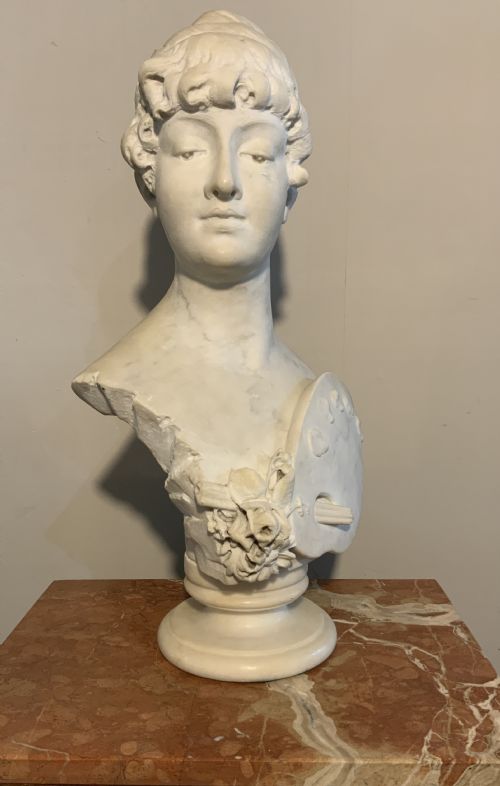
When you search for an antique artist statue, you encounter sculptural works that capture human forms, anatomical models, and animal studies shaped by makers across the nineteenth and early twentieth centuries. These pieces reflect diverse aesthetics ranging from French Academic and Neoclassical traditions to Early Twentieth Century Modernism and Art Nouveau.
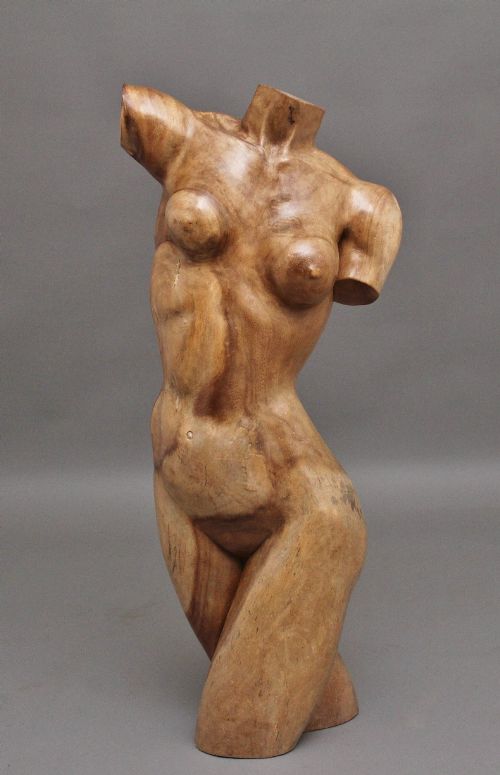
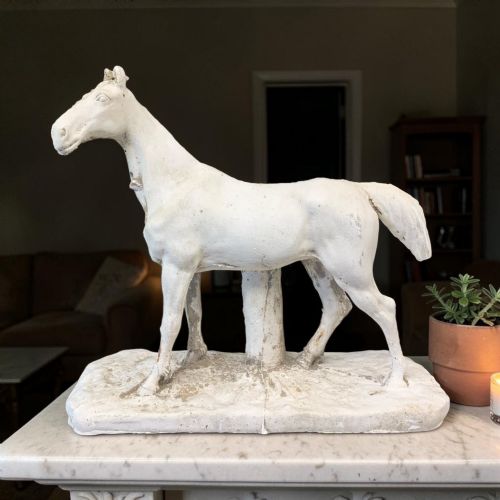
The selections you meet on this page span several distinct forms, including Carrara marble busts, life-sized carved female torsos, studio plaster casts, and patinated bronze figures. Materials vary from terracotta and spelter to carved wood and cast bronze, demonstrating the broad methods utilised by sculptors of these periods.
Origins stretch from nineteenth-century workshops to Edwardian studios and the early decades of the twentieth century. You find portrait studies of historical painters, allegorical figures representing the artist, and detailed anatomical models intended for studio instruction.
How they were made
Makers fashioned these sculptures using traditional casting and carving techniques suited to each medium. Bronze figures required the lost-wax or sand-casting process, often finished with a fine patination applied by specialised foundries.
Carved pieces such as marble busts and wooden torsos demanded direct hand-chiselling, utilising hammers, chisels, and rasps to achieve surface texture and anatomical accuracy. Plaster casts and terracotta models relied on wet manipulation and moulds to capture fine detail before drying or setting.
Antique Artist Statue Retail Price Guide 2026
Typical asking prices for artist statue among the pieces listed under this phrase on Sellingantiques today, from the lower quarter to the upper quarter. They describe what is for sale here now, not the wider market.
Sculptural forms on this page include portrait busts, anatomical models, animal studies, and full-figure representations.
What varies in quality
Material selection and patination depth also divide the range. High-grade Carrara marble and deeply rich, hand-rubbed bronze patinas demonstrate a superior understanding of light and shadow compared to simpler plaster or painted finishes.
Jean Jules Salmson·Sylvain Kinsburger·Anders Zorn·Feridah Francis Forbes Taylor·L Bureau
The Antique Artist Statue Glossary
- Patinated bronze
- A bronze sculpture treated with chemical solutions to produce a specific surface colour and tone. This finish protects the metal and enhances the visual depth of the sculptural form.
- Carrara marble
- A type of white or blue-grey marble quarried in the city of Carrara in Tuscany. Sculptors favoured this stone for its fine grain and luminous quality.
- Spelter
- An alloy of zinc, sometimes mixed with lead or copper, used as a less expensive substitute for bronze. It is typically given a bronze-coloured metallic finish.
- Terracotta
- Fired unglazed clay of a brownish-red colour used for modelling and sculptural studies. It allows artists to capture immediate tactile impressions before final casting or hardening.
- Plaster cast
- A three-dimensional copy of a sculpture made in plaster of Paris from a mould. Studios utilised these models for instruction, exhibition, or as preparatory stages for metal works.
Antique Artist Statue: Frequently Asked Questions
What is an artist statue?
An artist statue refers to a sculptural work depicting creators, allegories of art, or studies produced by known sculptors during the nineteenth and early twentieth centuries. These pieces include portrait studies of historical painters and figures representing the creative process.
They serve as decorative objects and historical records of academic and modernist training methods in European studios.
How do I identify bronze from spelter?
Bronze and spelter differ in weight, resonance, and surface characteristics. Bronze is heavier, colder to the touch, and yields a clear ringing tone when struck gently, whereas spelter feels lighter and softer.
Examining the underside or areas of wear often reveals the pale grey metal beneath a flaking surface finish on spelter pieces.
Where should I place these sculptures?
These sculptures suit display on sturdy side tables, pedestals, or dedicated mantelpieces where adequate lighting highlights their contours and patination. Placing them away from direct heat sources protects materials like wood, plaster, and terracotta.
Ensure marble and bronze pieces rest on stable, level surfaces capable of supporting their substantial weight.
How do I clean antique bronze?
Cleaning antique bronze requires minimal intervention to preserve the original patina and surface history. Dust the sculpture gently with a soft, dry artist brush or microfibre cloth.
Avoid using water, chemical solvents, or abrasive polishes, as these substances strip the protective oxide layer and damage the metal.