
Antique Art Plaque
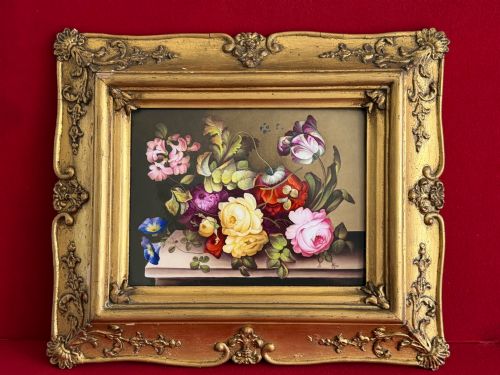
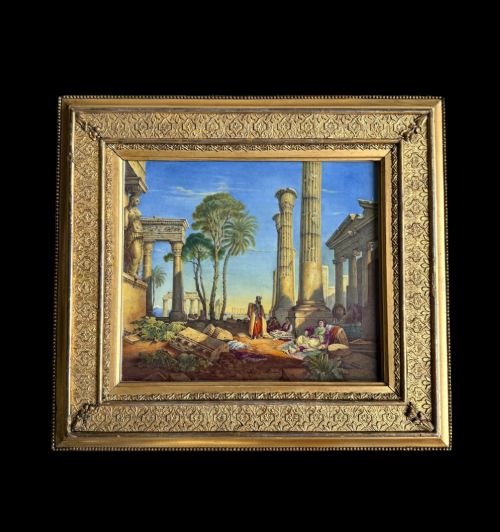
These antique art plaque pieces combine hand-painted detail and relief work from the nineteenth and early twentieth centuries to display distinct character on a wall.
Antique Art Plaque
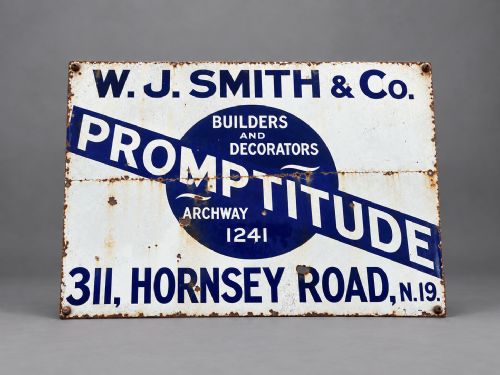
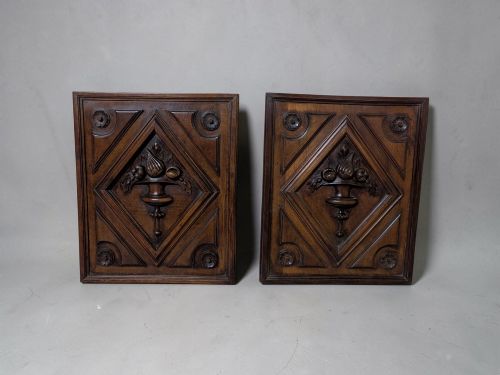
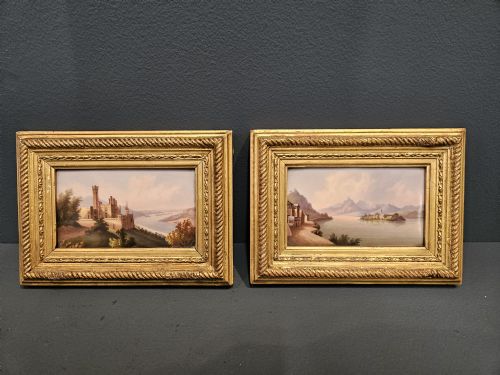
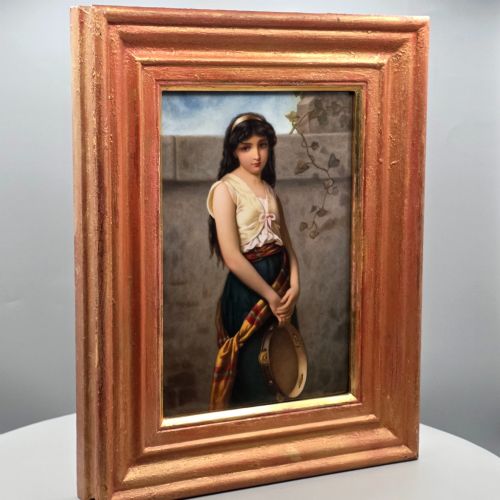
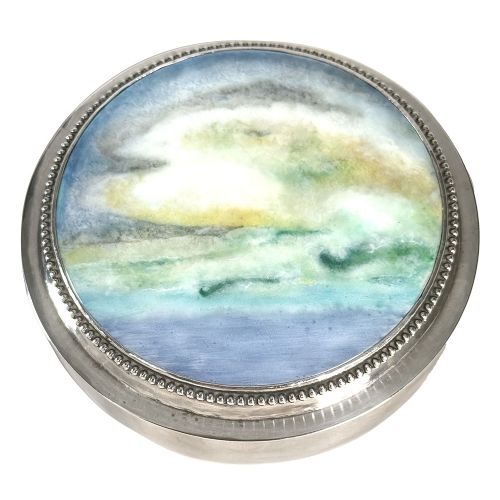
An antique art plaque brings together decorative panels, hand-painted porcelain, and carved wooden reliefs designed specifically for wall display. These items span periods from the eighteenth century through the 1930s, encompassing styles such as Victorian, Arts and Crafts, and Art Deco. Buyers seeking this search phrase encounter porcelain painted scenes, enamel pieces, and carved oak panels originating from English, French, and German makers.
Materials and construction
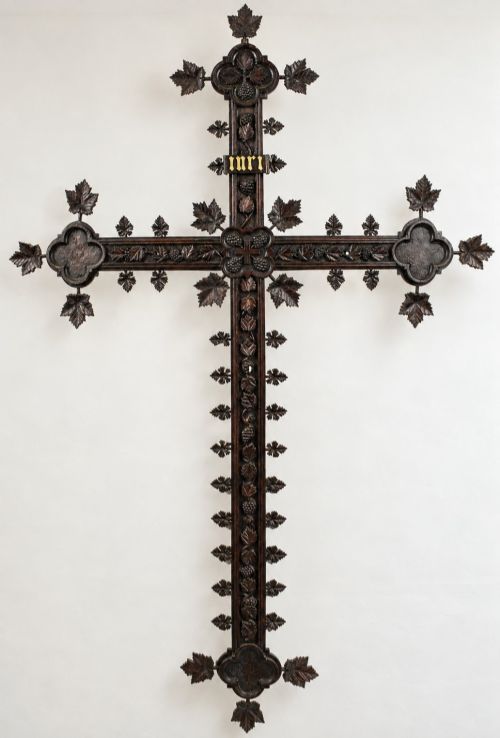
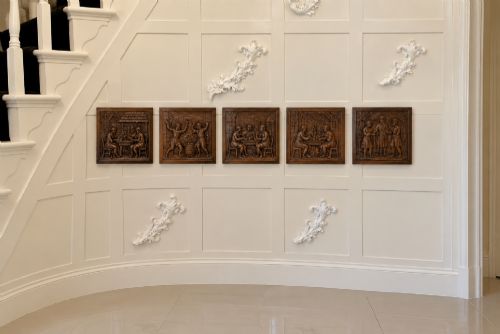
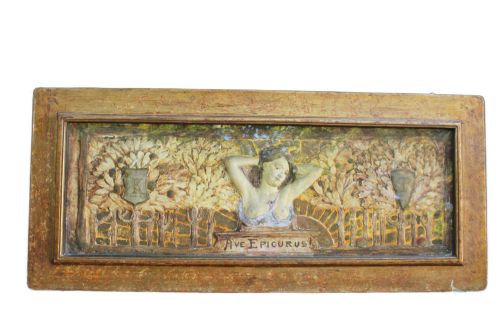
Makers shaped these pieces using traditional methods across ceramics, metals, and timber. Porcelain and pottery plaques undergo high-temperature firing before receiving hand-painted pigments, often finished with detailed brushwork. Carved wooden panels and wall crosses utilise oak, chestnut, and fruitwood shaped with gouges and chisels.
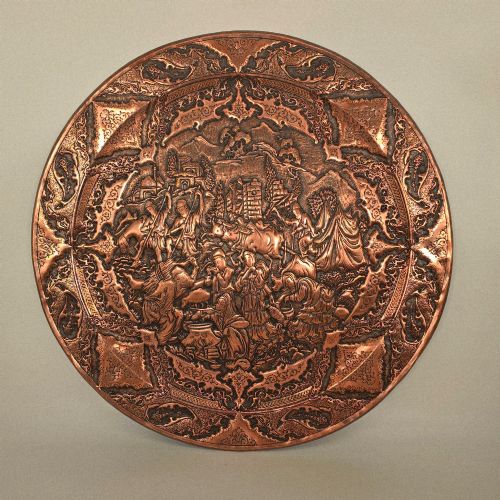
Metalwork items employ copper, bronze, and iron shaped through repousse work, engraving, and cloisonne enamelling. Artisans applied patination, gold and silver inlay, and polychrome plaster relief to achieve surface texture and tonal depth.
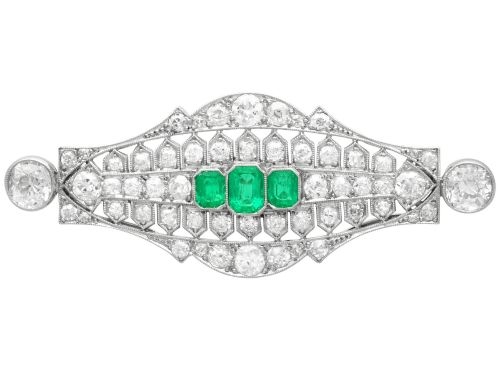
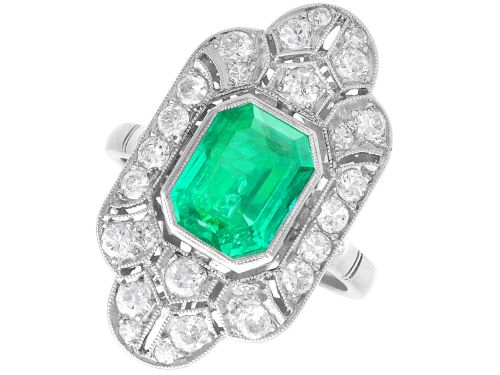
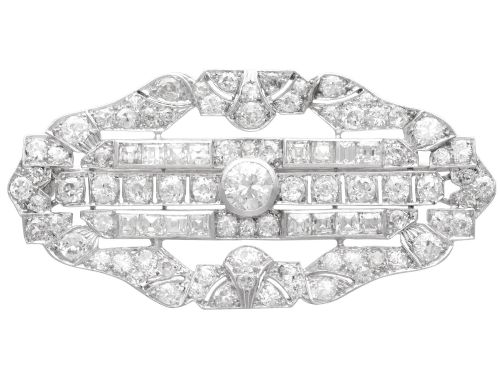
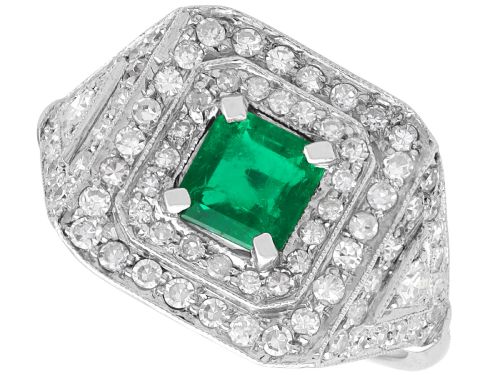
Materials across these listings include enamel, porcelain, oak, copper, platinum, and diamonds.
Judging the work
In carved wood and metalwork, depth of relief and clean execution separate standard production from master craftsmanship. Well-defined repousse work on copper chargers and deeply undercut carving in Flemish oak demonstrate superior technical competence.
James Stinton·William Yale·Clement Messier·Eugene Canneel·Guild of Handicrafts
The Antique Art Plaque Glossary
- Repousse
- A metalworking technique where the artisan hammers the metal from the reverse side to form a raised design on the front. This method adds three-dimensional texture to copper and brass chargers.
- Cloisonne
- An enamelling process where thin metal wires are soldered to a metal base to create compartments filled with enamel paste. Firing produces vibrant coloured designs across dishes and panels.
- Plaster Relief
- A sculptural technique where figures or motifs project from a flat background made of plaster. Polychrome versions incorporate painted surface decoration.
- Folk Art
- Objects created by self-taught or traditional artisans outside formal academic art training. These pieces often utilise local timber and depict regional subjects.
Antique Art Plaque: Frequently Asked Questions
How do I hang a heavy wooden wall plaque?
Heavy carved wood panels and chargers require secure fixings anchored directly into wall studs or solid masonry using appropriate wall plugs.
Weight distribution matters, so utilise strong picture wire attached to sturdy brass screw eyes on the reverse of the panel.
Are porcelain plaques fragile?
Porcelain and ceramic plaques possess delicate structures susceptible to chipping or cracking upon impact. Handle them with care during cleaning and relocation.
Keep them away from areas with high foot traffic or vibration to prevent accidental falls from the wall.
How do I clean enamel and copper plaques?
Dust enamel and copper pieces gently with a dry, soft microfibre cloth to remove surface particles without scratching the finish. Avoid abrasive cleaning solutions or harsh chemical polishes.
Moisture can damage exposed metal and painted surfaces, so keep storage areas dry and stable in temperature.
What periods do these pieces come from?
The listings span from the eighteenth century through the early twentieth century, with a strong concentration of nineteenth-century items. Styles range from Georgian and Victorian to Arts and Crafts and Art Deco.
Each period reflects distinct aesthetic choices, from Gothic Revival woodwork to clean geometric metalwork.