


Antique Art on Board
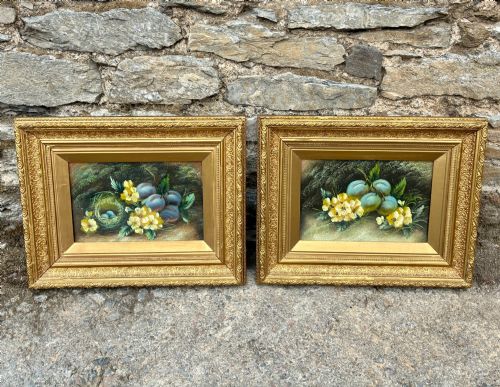
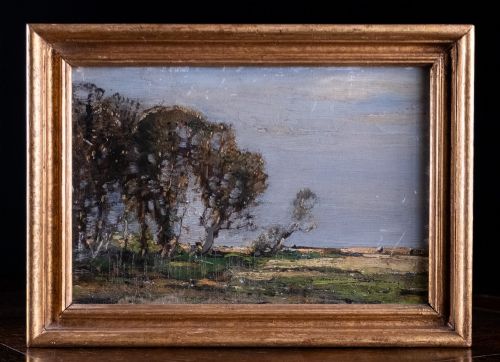
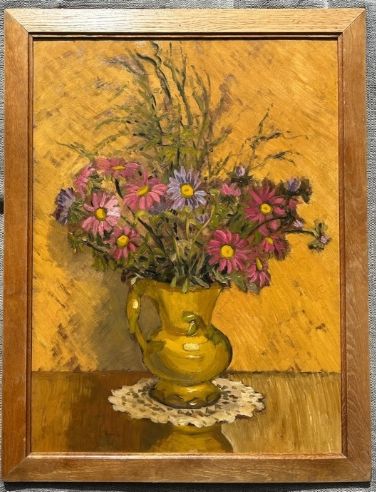
Antique art on board encompasses rigid support paintings and panels spanning several centuries, prized for their direct application and enduring tactile presence.
Antique Art on Board
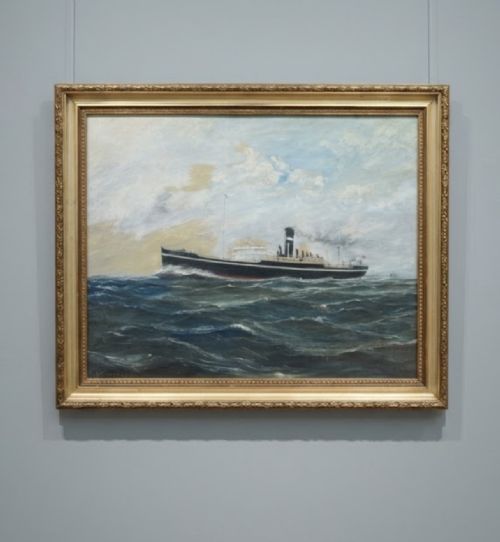
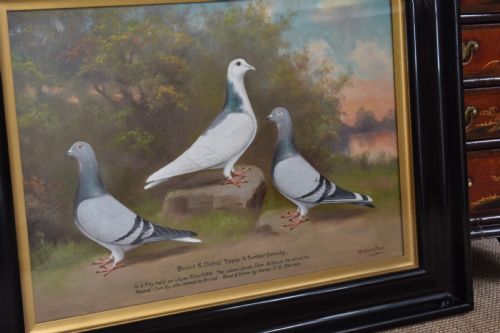
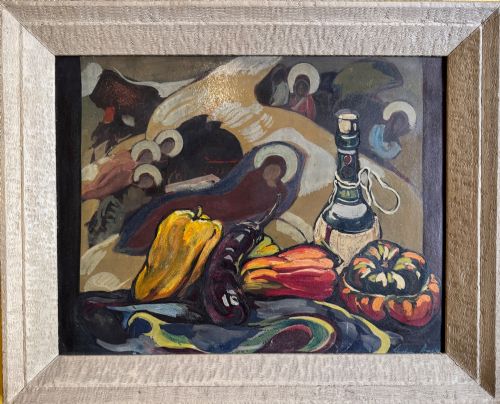
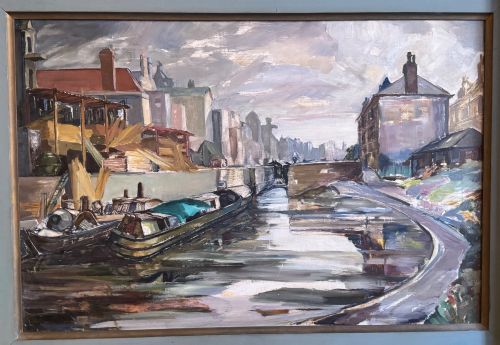
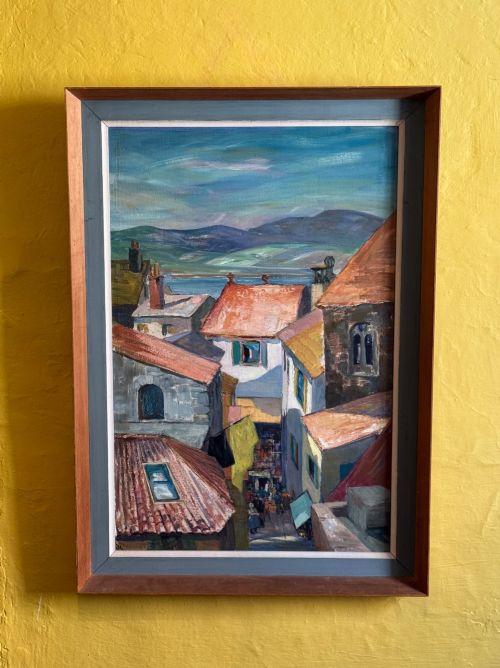
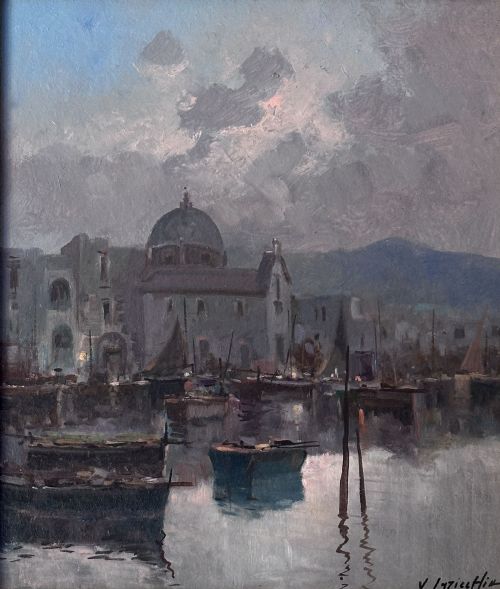
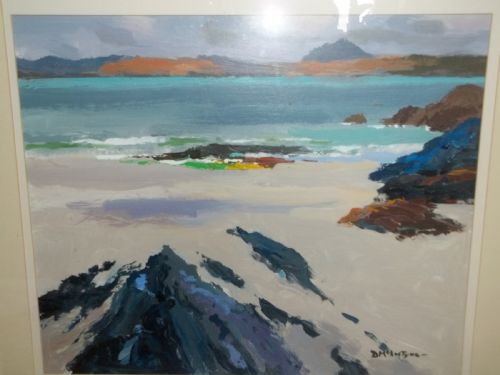
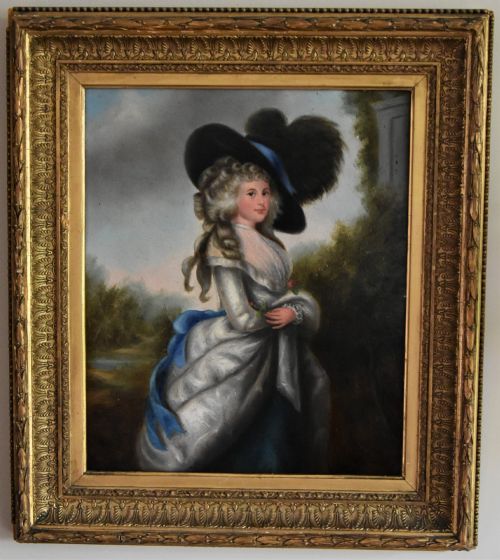
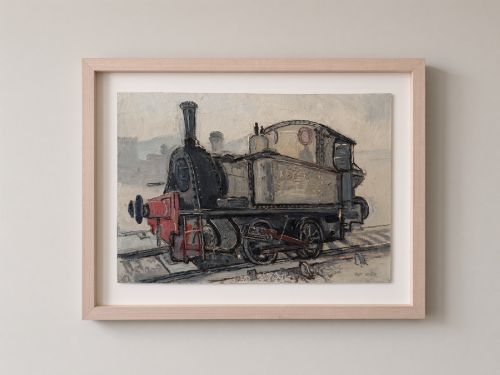
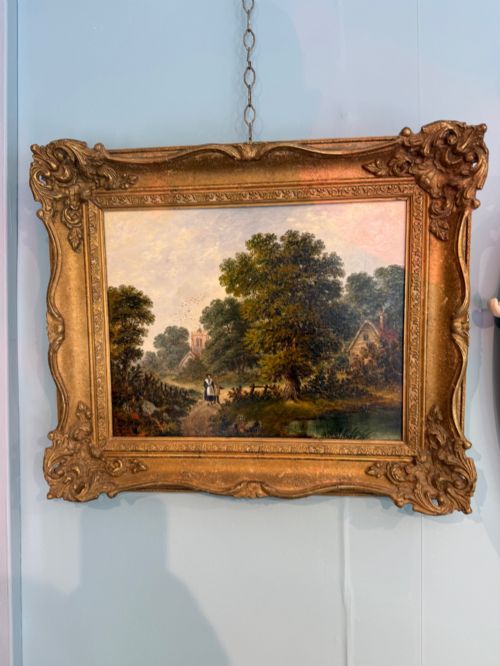
When you examine antique art on board, you encounter works executed on rigid supports rather than stretched fabric, ranging from intimate portraits to sweeping landscapes. The selection spans the seventeenth century through to the mid-twentieth century, featuring British and European regional works.
You are most likely to meet nineteenth-century and early twentieth-century oil paintings executed on wooden panels, along with decorative painted boards and historic signs. These pieces demonstrate the varied ways artists utilised firm surfaces for stability and texture.
The category also encompasses specialised objects such as carved mangle boards, heraldic panels, and religious texts rendered on wood. Each item reflects the specific domestic, decorative, or public function for which the rigid support was originally prepared.
Distinctions in execution and condition
The strength of the composition and the confidence of the brushwork separate standard decorative items from superior artistic achievements. Masterful handling of light, pigment application, and anatomical or spatial accuracy elevate certain panels above routine commercial production.
The physical integrity of the wooden or composite support dictates the enduring worth of the piece, with stability against warping and minimal surface disruption being paramount. Original framing and untouched painted surfaces further distinguish the finest examples.
Antique Art on Board Retail Price Guide 2026
Typical asking prices for art on board among the pieces listed under this phrase on Sellingantiques today, from the lower quarter to the upper quarter. They describe what is for sale here now, not the wider market.
The listings feature rigid supports spanning the eighteenth, nineteenth, and twentieth centuries, utilising wood, board, and metal.
George Whitton Johnstone·Kershaw Schofield·Charles Houben·Alexander Jamieson·Philip Rideout·T C Hofland
The Antique Art on Board Glossary
- Oil on board
- A painting technique where oil-based pigments are applied directly to a rigid wooden, paper-pulp, or synthetic board rather than woven canvas. This method offers a firm resistance to the brush and often preserves crisp details.
- Mangle board
- A domestic wooden implement historically used in northern Europe for pressing linen, typically featuring a flat board and a carved handle. Many surviving examples display intricate folk carving, dates, and initials.
- Gesso
- A traditional paint mixture consisting of a binder mixed with chalk, gypsum, or pigment, applied to wooden panels as a smooth preparation layer. It creates an opaque, stable surface for subsequent oil or tempera painting.
- Panel painting
- Any painting executed on a flat, rigid support such as wood, copper, or heavy pasteboard instead of canvas. Painters favoured panels for their durability and smooth working surface.
- Impasto
- A technique where paint is laid on an area of the surface in very thick layers, usually thick enough that the brush or painting-knife strokes are visible. This adds a tangible, sculptural dimension to art on board.
Antique Art on Board: Frequently Asked Questions
What is art on board?
Art on board refers to paintings and decorative works executed on rigid flat supports rather than flexible canvas. These surfaces typically consist of timber panels, heavy card, or prepared composition boards.
Artists favoured these supports for their stability and smooth texture, which permitted both meticulous detail and expressive, heavy brushwork. The category includes everything from fine oil landscapes to folk art panels and painted signs.
How do I care for wooden panels?
Wooden panels require stable indoor environments with moderate humidity to prevent the wood from expanding, contracting, or splitting. Keep them away from direct heat sources and strong sunlight.
Dust the surface gently with a dry, soft brush and avoid using liquid cleaners or oils on the painted areas. Framing helps protect the vulnerable edges and corners of the board from physical knocks.
How can I tell the age of a panel?
Dating a piece involves examining the type of wood, the preparation grounds, the framing, and the stylistic characteristics of the paint layer. Tool marks on the reverse of wooden panels often reveal whether the board was hand-sawn or machine-cut.
Signatures, inscriptions, and artist stamps also provide firm chronological markers. Comparing the handling of the subject matter to documented works helps narrow down the period.
Were these works meant for walls?
While many oil paintings and decorative panels were created specifically to be framed and hung as wall art, others served utilitarian or architectural roles. Items like mangle boards, trade signs, and heraldic panels were designed for functional use or public display.
Over time, many of these utilitarian objects transitioned into decorative collector pieces valued for their rustic craftsmanship and historical resonance.