


Antique Art Jewellery
Antique art jewellery brings together rings, pendants, and brooches shaped by early twentieth-century design movements.
Antique Art Jewellery
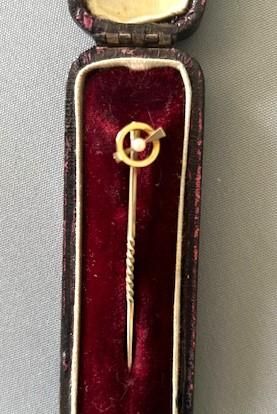
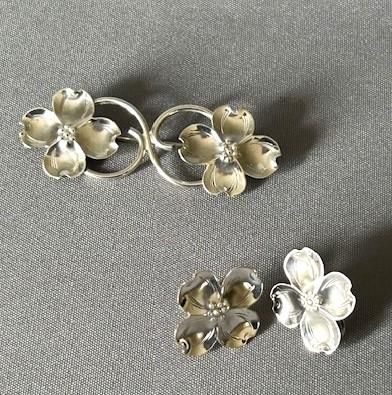
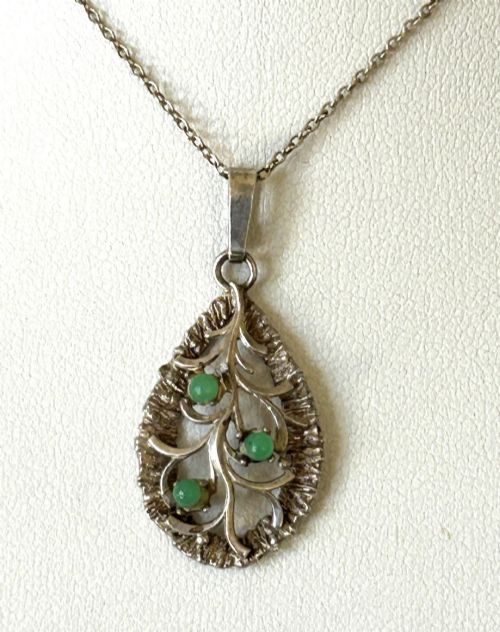
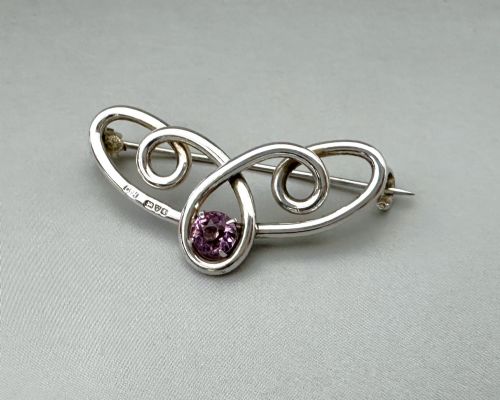
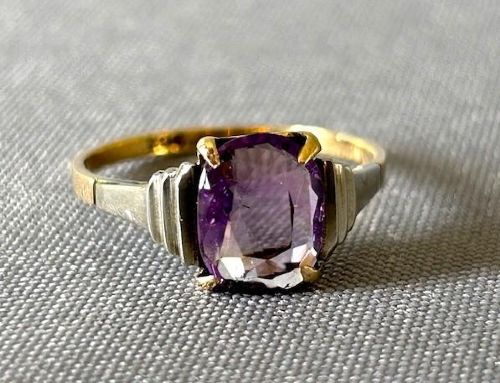
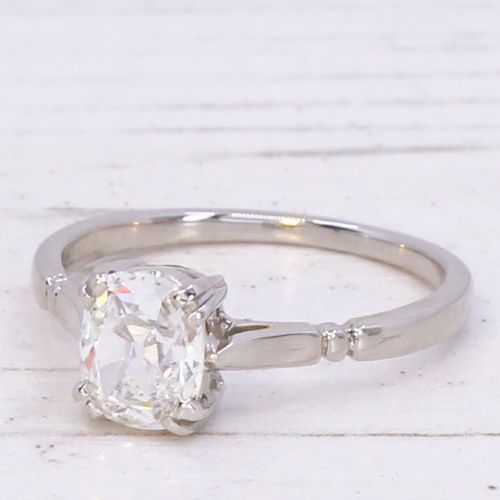
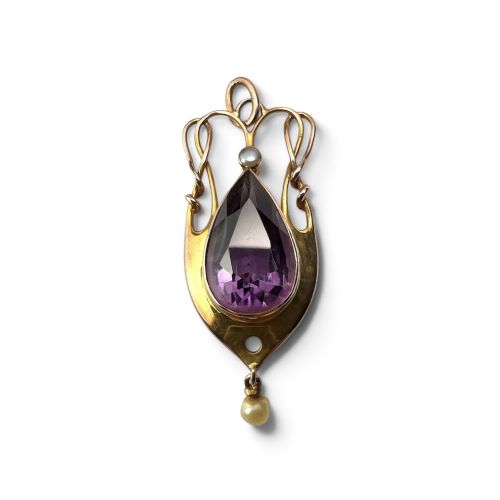
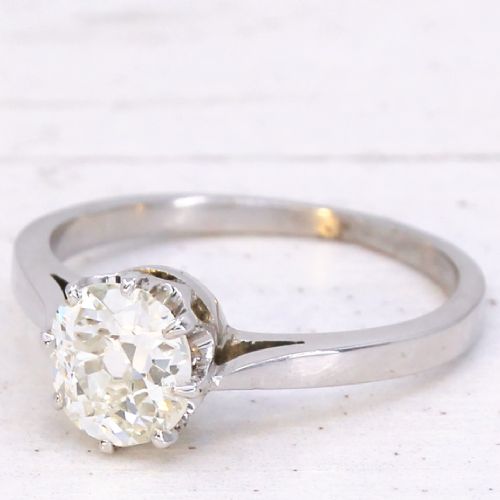
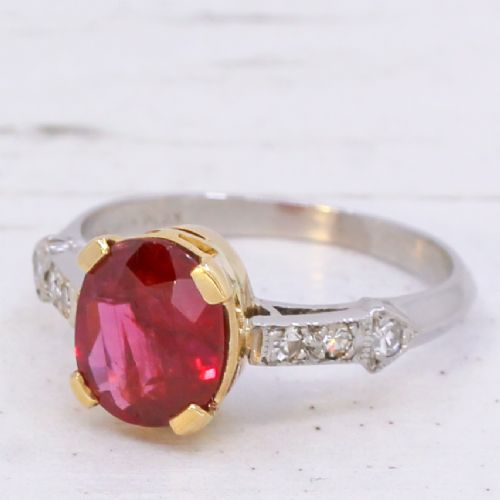
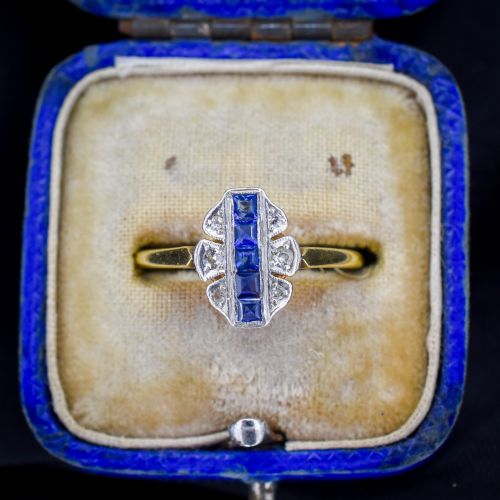
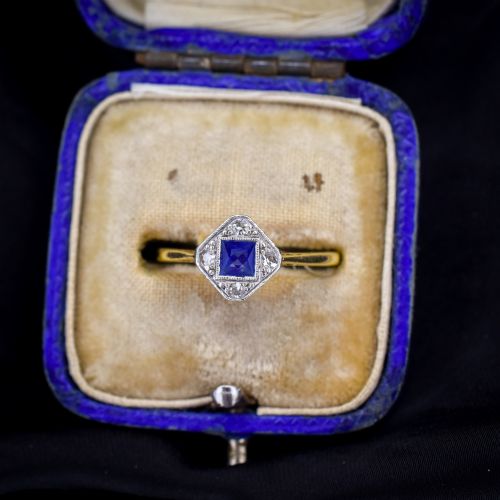
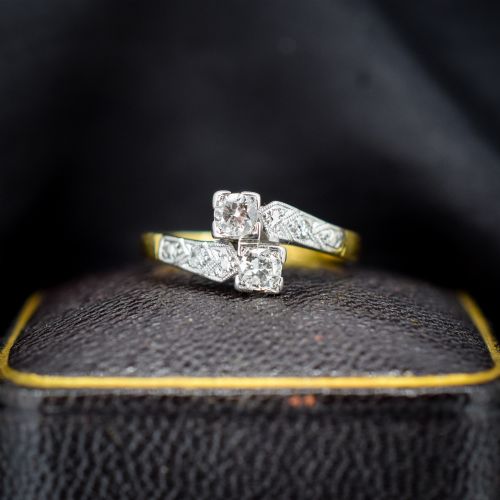
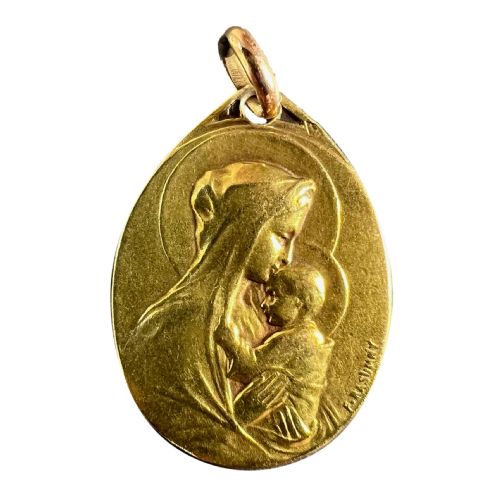
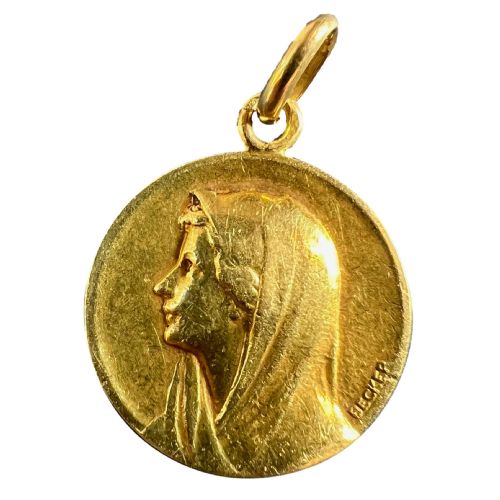
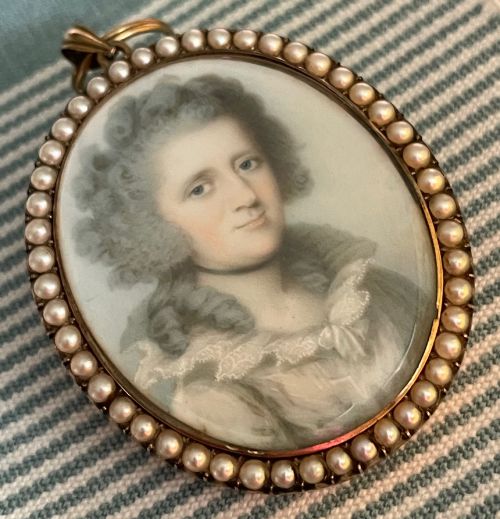
Antique art jewellery encompasses rings, bracelets, pendants, brooches, necklaces, and trinket boxes from the nineteenth and early twentieth centuries. Pieces reflect design movements such as Art Deco, Edwardian, Art Nouveau, Arts and Crafts, and Gothic Revival. Rings and pendants dominate the selection, often incorporating coloured gemstones alongside diamonds.
The selection ranges from 19th-century Irish carved oak boxes to 1940s diamond and sapphire cluster rings. Edwardian and Art Deco pieces demonstrate the transition from flowing floral motifs to geometric precision. Buyers encounter precious metals including platinum, 18ct white gold, 18ct yellow gold, and 9ct gold across various forms.
How they were made
Goldsmiths and jewellers utilised platinum and various grades of gold as structural foundations for intricate gemstone settings. Platinum gained prominence during the Edwardian and Art Deco periods for its strength, allowing delicate millegrain edges and openwork mounts. Stones including diamonds, sapphires, emeralds, and aquamarines were precision-cut and secured within these metal frameworks.
Surface decoration involved black enamel detailing, hand-carved oak elements, and articulated links such as those found on double albert watch chain necklaces. Metal components were cast, forged, and assembled by hand to create durable jewellery boxes, bracelets, and dress rings.
Antique Art Jewellery Retail Price Guide 2026
Typical asking prices for art jewellery among the pieces listed under this phrase on Sellingantiques today, from the lower quarter to the upper quarter. They describe what is for sale here now, not the wider market.
Listings feature periods spanning the nineteenth century through the 1940s, with platinum and various gold purities used alongside diamonds and sapphires.
What varies in quality
The standard of antique art jewellery depends upon the precision of the metalwork and the quality of the set gemstones. Superior pieces display crisp geometric lines in Art Deco platinum mounts or flowing organic details in Edwardian and Art Nouveau designs. Gemstone selection significantly influences the overall calibre, with well-matched diamonds and vibrant sapphires, emeralds, or zircons elevating the piece.
Maker attribution also affects distinction, as items produced by notable workshops carry added historical interest. The integrity of the original construction, including secure stone settings and intact enamel or hand-carved details, separates exceptional examples from standard output.
Deakin & Francis·Murrle Bennett·Cartier
The Antique Art Jewellery Glossary
- Art Deco
- A design style spanning the 1920s and 1930s characterised by geometric symmetry, clean lines, and frequent use of platinum with diamonds and sapphires.
- Edwardian
- An early twentieth-century aesthetic known for delicate lace-like platinum settings, garlands, and light, airy diamond arrangements.
- Art Nouveau
- A turn-of-the-century movement inspired by natural forms, featuring flowing organic lines, enamel work, and cabochon gemstones.
- Navette
- A boat-shaped gemstone setting or ring face that tapers to points at both ends.
- Trilogy
- A ring style featuring three principal gemstones, often interpreted as representing the past, present, and future.
- Millegrain
- A decorative technique involving a row of tiny raised metal beads along the edges of a setting.
Antique Art Jewellery: Frequently Asked Questions
What defines antique art jewellery?
Antique art jewellery comprises wearable adornments and decorative boxes created during distinct design periods including Edwardian, Art Nouveau, and Art Deco. These items incorporate precious metals like platinum and gold alongside cut gemstones.
Craftsmanship from these eras often utilises hand-worked techniques, millegrain detailing, and specific motifs that identify the stylistic movement of the piece.
How do I identify an Art Deco ring?
Art Deco rings typically feature geometric shapes, symmetrical patterns, and strong vertical or horizontal lines. Platinum and white gold serve as common metal choices to complement diamond and sapphire stones.
Cluster settings, navette shapes, and trilogy arrangements frequently appear within this twentieth-century design group.
What is Edwardian jewellery style?
Edwardian jewellery is recognised for its light, graceful aesthetic often executed in platinum. Common elements include garland motifs, openwork frames, and delicate diamond clusters.
Makers during this period frequently paired diamonds with pearls, peridots, or emeralds within yellow gold and platinum mounts.
How should I care for antique jewellery?
Antique pieces require gentle handling due to their age and delicate construction. Regular inspection of stone settings by a professional helps ensure gems remain secure in their original mounts.
Storage in dedicated boxes or lined compartments prevents scratching between pieces, particularly when storing items with softer gemstones or enamel details.