



Antique Architectural Stone
Antique architectural stone brings the weight and texture of history directly into modern gardens and interiors through solid masonry salvage.
Antique Architectural Stone
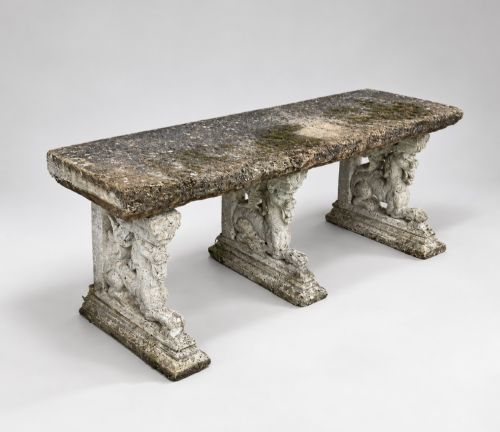
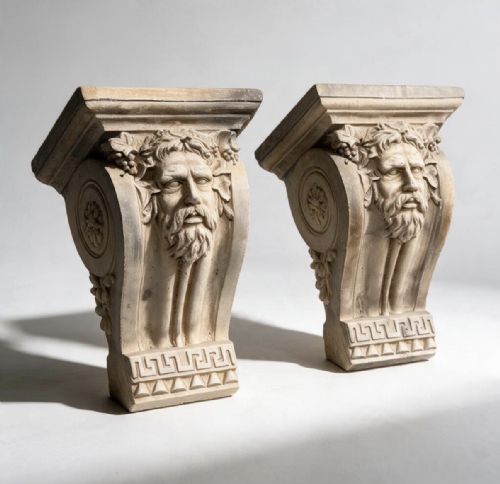
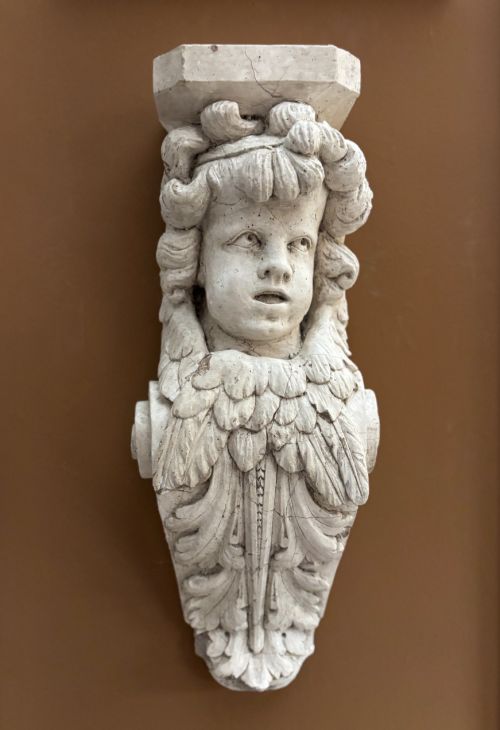
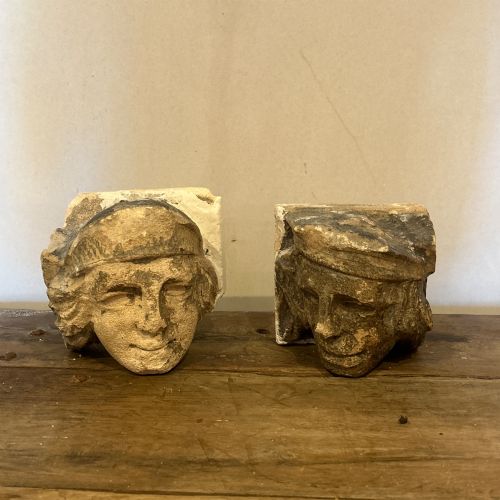
Antique architectural stone encompasses heavy structural elements, garden ornaments, and carved masonry salvaged from historic buildings and landscapes. Buyers encounter items ranging from medieval limestone corbels and 18th-century staddle stones to Victorian pillar caps and Gothic pinnacles.
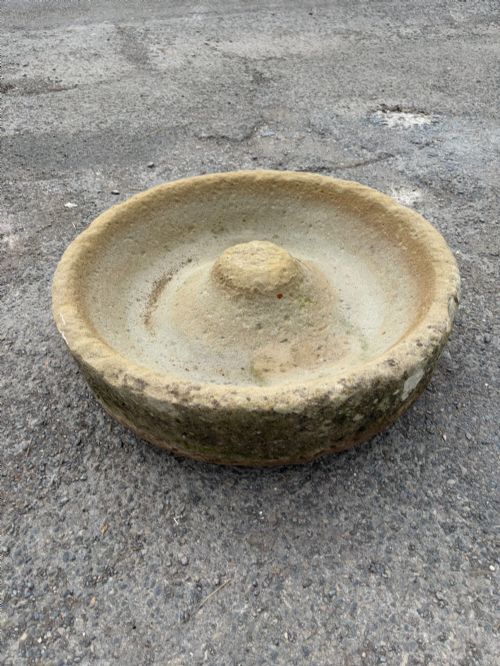
Utility and ornamentation define the objects in this category, bridging the gap between practical rural infrastructure and grand design. Cornish granite staddle stones, sandstone pig troughs, and limestone sinks sit alongside ornamental pier finials, carved capitals, and garden statuary.
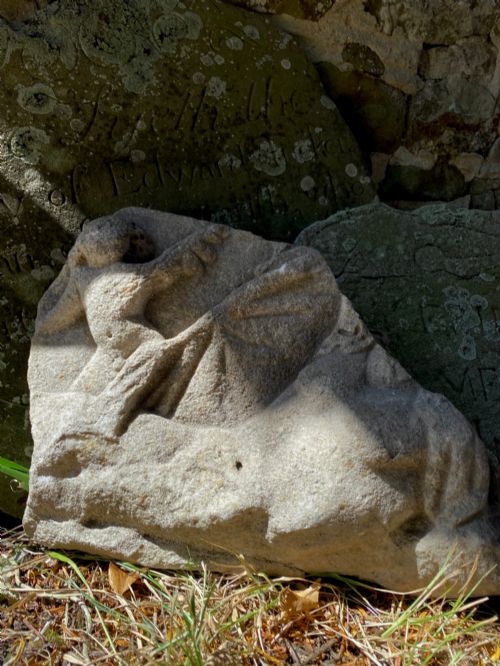
The materials reflect centuries of masonry tradition, drawing heavily on native sandstones, granites, and limestones alongside marbles and composite mixes. Pieces span multiple centuries, from pre-16th-century fragments to Edwardian and mid-20th-century garden fixtures.
Materials and Technique
Stonemasons shaped hard-wearing natural deposits like granite, sandstone, and limestone using hand chisels, mallets, and saws to produce load-bearing blocks, troughs, and intricate carvings. The geological origin of the stone dictates its weathering pattern and durability against the elements.
Moulded and cast techniques also appear alongside hand-carved masonry, utilising composite stone, cast stone, and marble dust mixtures poured into forms to replicate classical statuary and architectural details. These cast pieces often incorporate local aggregates or reclaimed stone dust to achieve the appearance of quarried rock.
Antique Architectural Stone Retail Price Guide 2026
Typical asking prices for architectural stone among the pieces listed under this phrase on Sellingantiques today, from the lower quarter to the upper quarter. They describe what is for sale here now, not the wider market.
Materials span natural stone, Cornish granite, Yorkshire limestone, and composite stone mixes.
Distinctions in Execution
Provenance and integrity drive the standing of individual pieces, particularly items carrying documented architectural origins from ecclesiastical or civic structures. Weathering adds authentic patination, but the survival of original structural profiles without excessive modern intervention preserves historical legibility.
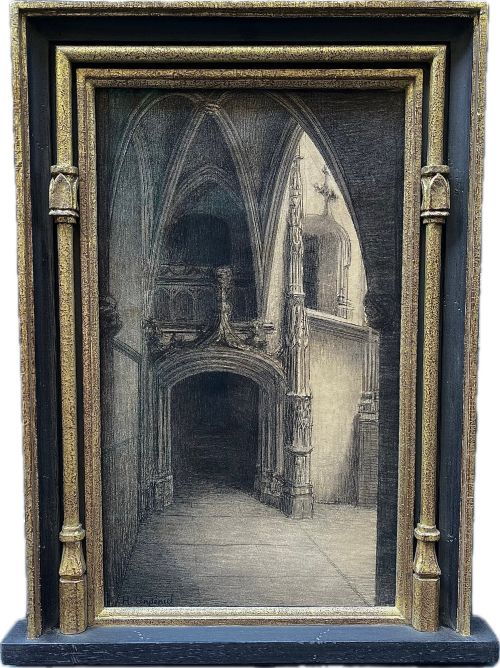
Philippes Paris·Henri Charles Angéniol·Rowland Henry Hill·Florence Hess
The Antique Architectural Stone Glossary
- Corbel
- A structural piece of stone projecting from a wall to support a weight inside or above it. These carved supports often take figurative or grotesque forms in medieval architecture.
- Staddle stone
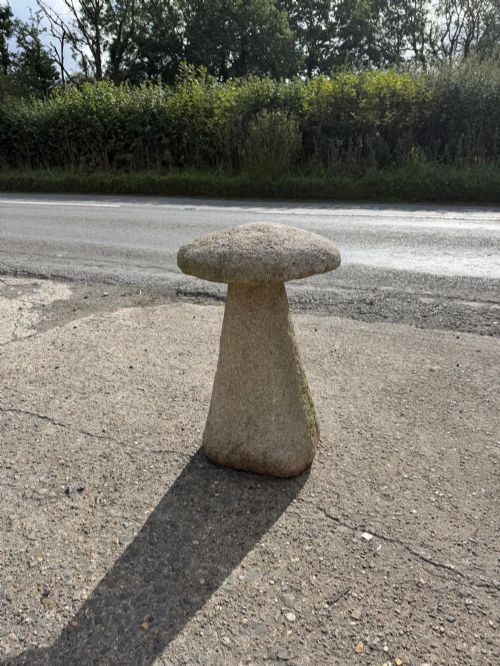
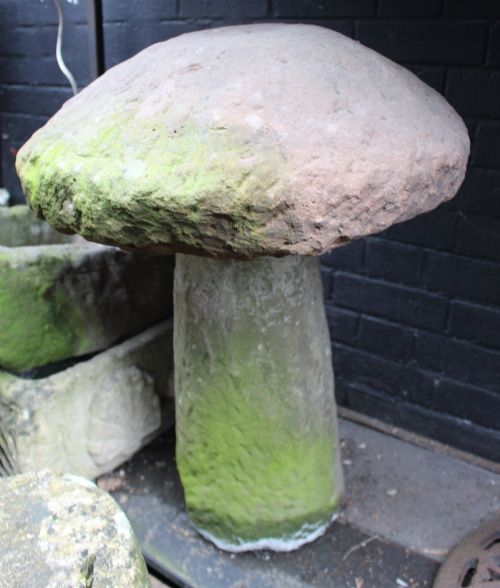
- A mushroom-shaped stone block utilised to elevate granaries and barns above the damp ground to deter vermin. Cornish granite variants are particularly common in agricultural contexts.
- Pier finial
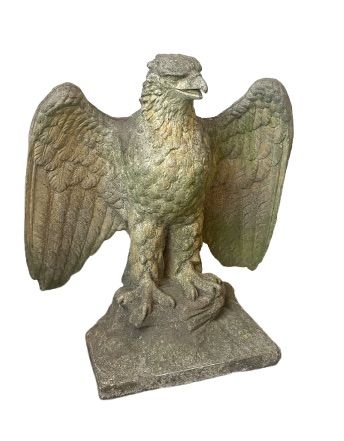
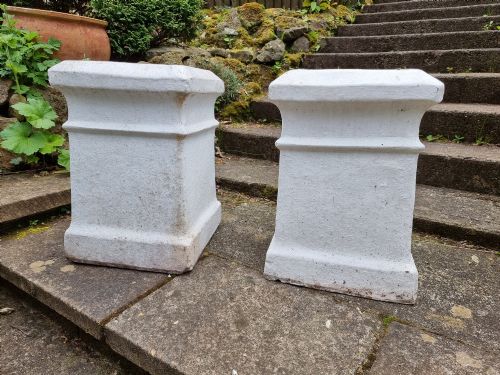
- An architectural ornament placed at the top of a gate pier or pillar to cap the masonry. They frequently appear as globes, urns, or carved animals such as eagles.
- Capital
- The uppermost member of a column or pilaster, often carved with foliage or scrollwork to transition visually from the vertical shaft to the load above.
- Pietra dura
- An artistic technique utilising inlaid cut and fitted irregularly shaped coloured stones to create images. This painstaking method appears on decorative panels and tabletop plaques.
Antique Architectural Stone: Frequently Asked Questions
What is antique architectural stone?
Antique architectural stone refers to salvaged masonry, carved ornaments, and structural fragments removed from historic buildings, churches, and agricultural sites. These items include troughs, staddle stones, corbels, and capitals created centuries ago for practical or decorative purposes.
Today, buyers repurpose these heavy stone elements to anchor modern garden designs or introduce authentic historic texture into architectural spaces. Each piece carries the distinct tool marks and weathering of its working life.
How were staddle stones used?
Farmers utilised staddle stones as foundational supports for timber granaries, hayricks, and barns. The broad cap sitting atop a tapered shaft prevented rats and mice from climbing up into the stored grain.
Over time, these utilitarian agricultural fixtures transitioned into popular garden ornaments. They now appear frequently as focal points on lawns or incorporated into patio layouts.
How do I care for antique stone?
Antique stone requires minimal intervention to preserve its natural patination and surface integrity over decades of exposure. Gentle washing with water and a soft brush removes accumulated moss or dirt without damaging the underlying mineral structure.
Avoiding harsh chemical cleaners or pressure washers prevents the erosion of soft limestones and sandstones. Allowing the stone to weather naturally ensures the retention of its historic character.
Can antique stone stay outside?
Most antique architectural stone elements, including granite troughs, sandstone sinks, and limestone capitals, evolved for exterior placement. Natural hard stones withstand seasonal temperature shifts and rainfall effectively when properly bedded on stable ground.
Softer materials or composite cast stone pieces benefit from monitoring during freezing weather to prevent moisture expansion within structural cracks. Positioning heavy items on gravel or stone bases prevents rising damp and soil staining.