



Antique Architectural Finial
An antique architectural finial crowns a roof, gatepost, or staircase, lending a sense of permanence and architectural resolve to a structure.
Antique Architectural Finial
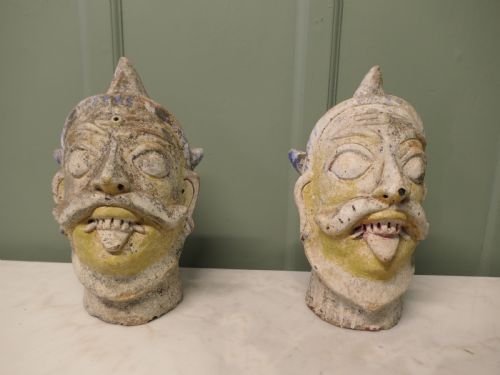
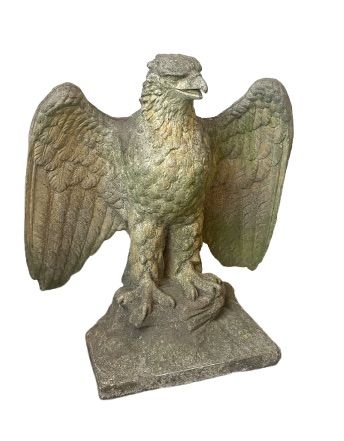
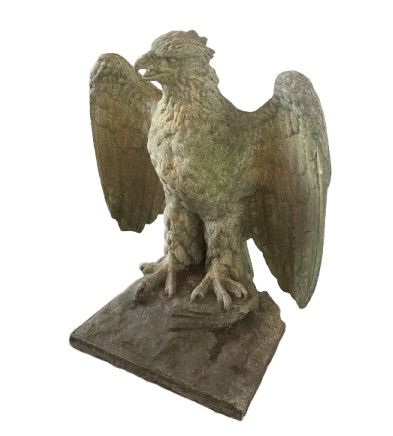
When you search for an antique architectural finial, you encounter a diverse gathering of decorative ornaments designed to cap buildings, gardens, and interiors. The pieces span centuries, ranging from seventeenth-century carved lion newel post finials to Edwardian composite stone eagle pier finials.
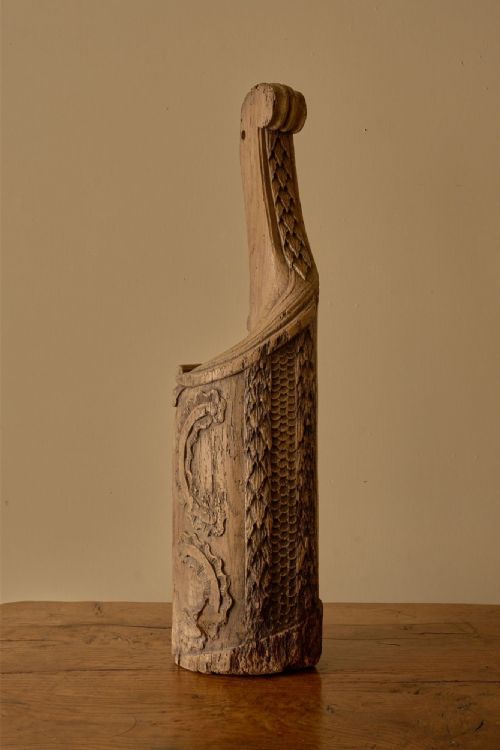
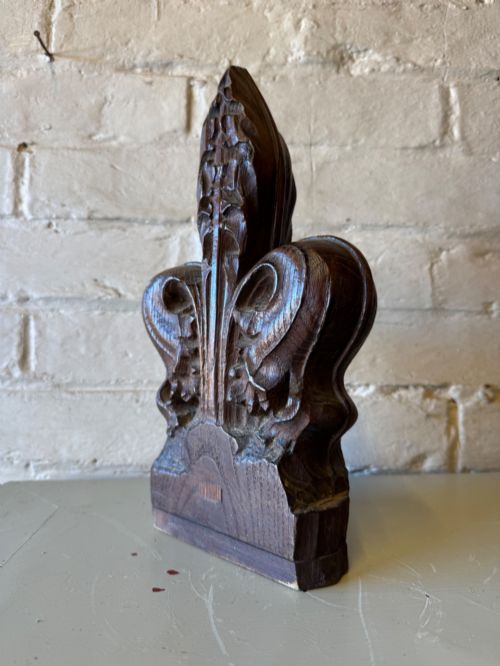
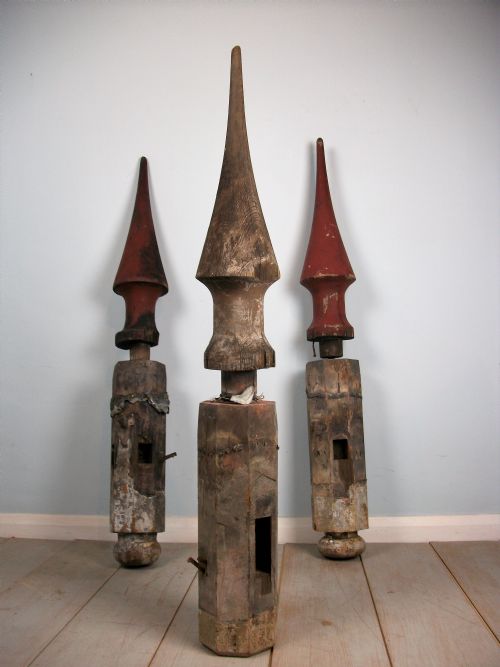
You meet various forms across these listings, including French château spire finials, Yorkshire limestone Gothic pinnacles, and intricate carved oak Gothic poppy heads. These elements frequently originate from architectural salvage, garden ornaments, and structured roof decorations.
The materials and styles shift markedly between periods, moving from early oak and stone to Victorian cast iron, copper, and giltwood. Buyers choose these objects to anchor a roofline, terminate a garden pier, or provide a striking focal point within a room.
Materials and Construction Methods
Makers shaped these pieces from durable woods like oak, alongside robust metals such as iron, brass, and copper. Stone varieties like limestone and granite appear frequently, alongside applied finishes including gesso and gold leaf.
Craftsmen employed traditional carving, casting, and hand-shaping techniques depending on the medium. Wood and stone items show direct hand-tool work, while metal and composite pieces utilise casting methods appropriate to iron, bronze, or terracotta.
Antique Architectural Finial Retail Price Guide 2026
Typical asking prices for architectural finial among the pieces listed under this phrase on Sellingantiques today, from the lower quarter to the upper quarter. They describe what is for sale here now, not the wider market.
Listings span materials from carved oak and Yorkshire limestone to cast iron, copper, and giltwood across multiple centuries.
Distinctions in Quality and Execution
The authority of the carving or casting separates exceptional examples from ordinary ones. Crisp detail in stone foliage, deep relief in carved oak, and clean lines in cast iron or copper demonstrate superior workshop skill.
Original surface preservation heavily influences the character of a piece. Traces of historic gilding, natural weathering on stone, and undisturbed patination on metals separate compelling survivors from over-restored items.
The Antique Architectural Finial Glossary
- Finial
- A decorative ornament that terminates the top of a roof, gable, spire, or post. It serves both an aesthetic purpose and sometimes a structural one.
- Pier Finial
- An architectural ornament mounted specifically on top of a brick or stone pier, gatepost, or boundary pillar. These pieces often feature animal figures or classical urn motifs.
- Gothic Pinnacle
- A relatively small, pointed architectural member used to ornament roofs, buttresses, or parapets. Medieval and Gothic Revival builders utilised them to draw the eye upward.
- Poppy Head
- An ornamental carving that terminates the top of a bench end or pew in gothic architecture, frequently shaped like a stylised leaf or flower bud.
- Weathervane
- A moveable device mounted on an exterior roof to indicate wind direction, often incorporating decorative animal or symbolic metal silhouettes.
Antique Architectural Finial: Frequently Asked Questions
Where were architectural finials originally placed?
Makers designed these ornaments to sit at the highest points of buildings, gates, and interior joinery. They marked roof ridges, gatepost piers, staircase newel posts, and gable ends.
Their placement drew the eye upward and provided a formal termination to structural lines on civic, ecclesiastical, and domestic properties.
How do I mount a heavy stone finial?
Heavy stone and terracotta pieces require professional structural support and proper stainless steel doweling. Garden and architectural salvage items need a secure, weather-resistant base.
Consulting a structural engineer or specialist mason ensures the weight distributes safely across your chosen pier or wall.
Can these outdoor pieces stay outside in winter?
Granite, cast iron, and durable limestone generally withstand outdoor elements well. Porous materials or historic items with fragile surfaces benefit from sheltered placement during freezing conditions.
Evaluating the specific stone density and metal composition helps determine whether an item requires indoor winter storage.
How do I distinguish an 18th-century piece from a Victorian one?
Examination of tool marks, material composition, and stylistic execution reveals the period. Eighteenth-century pieces often display hand-wrought iron or deeper, less standardised hand-carved wood and stone details.
Victorian items frequently reflect industrial casting advancements or specific revival styles like Gothic Revival and Neoclassical.