



Antique Architectural Chest
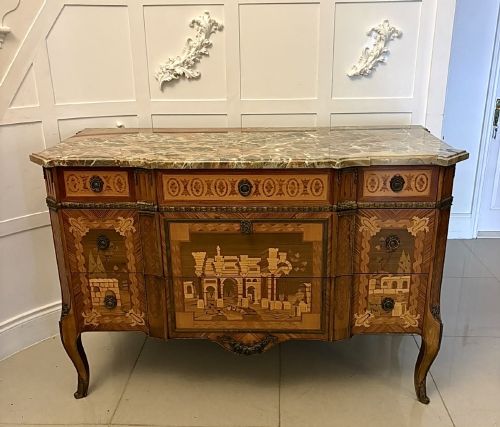
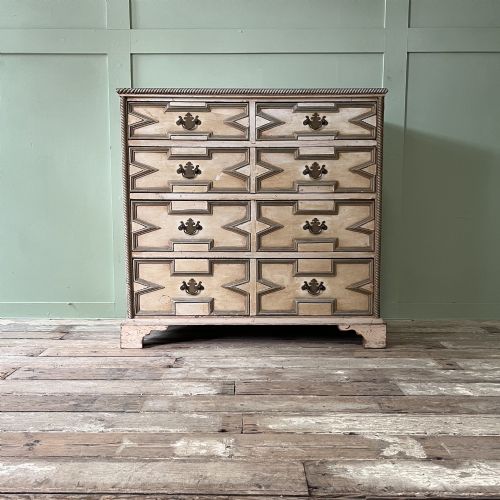
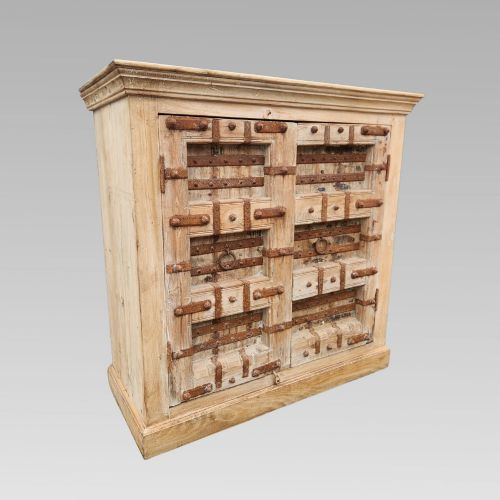
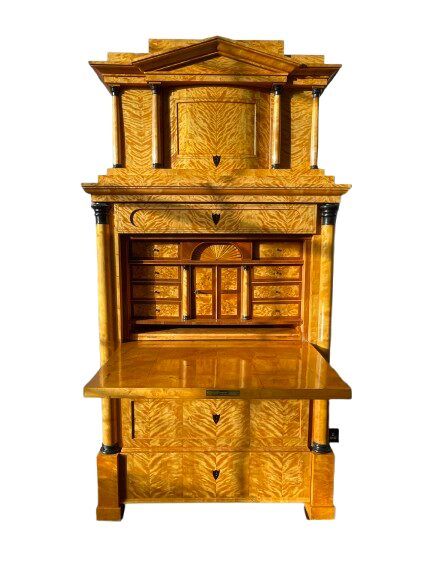
These antique architectural chest pieces are substantial storage items and decorative cabinets built with classical details, offering serious presence and historic utility.
Antique Architectural Chest
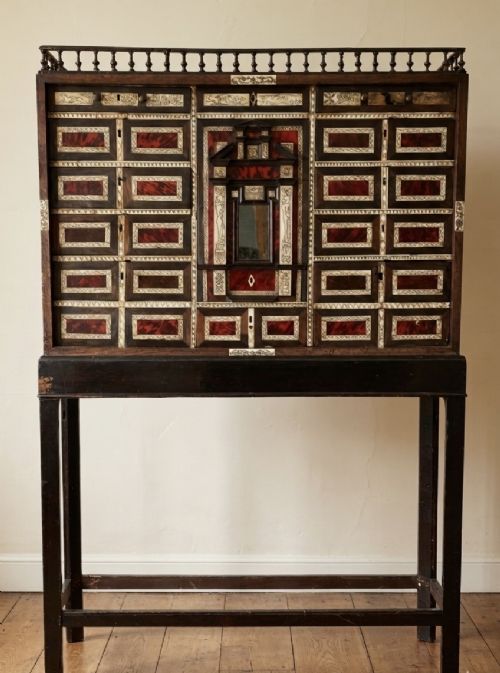
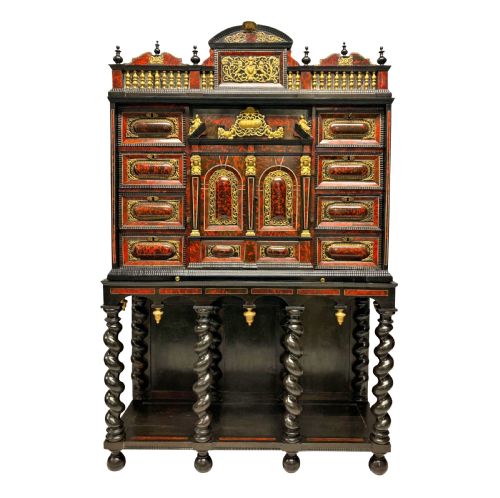
An antique architectural chest encompasses robust storage forms and display cabinets built to echo classical building facades, often incorporating structured columns, cornices, and paneling. These substantial pieces range from large plan chests and utility cabinets to elaborate seventeenth century cabinets on stands.
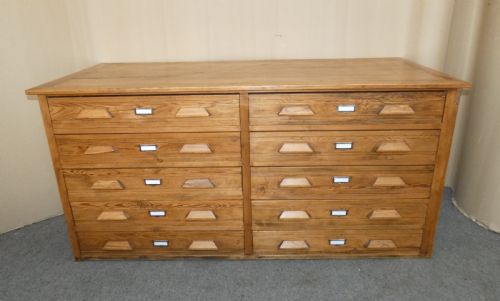
The selection bridges functional workspace furniture, such as artists drawers and plan chests, with grand reception room display cabinets mounted with gilt bronze and tortoiseshell.
Materials and construction
The construction of these pieces relies on a combination of robust primary framing woods like pine, oak, and birch, paired with decorative surfaces finished in ebonised wood, tortoiseshell, and gilt bronze mounts.
Joinery methods vary from heavy timber carcases designed for architectural plan storage to intricate veneering and bone inlay seen on seventeenth century Flemish cabinets.
Antique Architectural Chest Retail Price Guide 2026
Typical asking prices for architectural chest among the pieces listed under this phrase on Sellingantiques today, from the lower quarter to the upper quarter. They describe what is for sale here now, not the wider market.
Listings for this phrase feature materials ranging from pine and iron to tortoiseshell and gilt bronze across multiple centuries.
Assessing quality and craftsmanship
Quality in these pieces is dictated by the complexity of the architectural detailing, such as the depth of carving on oak panels and the precision of ebonised and tortoiseshell surfaces.
The integration of original mounts in gilt bronze and the preservation of secondary timbers like pine and walnut separate standard utility storage from exceptional high status cabinets.
Sir Clough Williams-Ellis
The Antique Architectural Chest Glossary
- Cabinet on stand
- A raised storage cabinet supported by a dedicated table frame or stand, frequently seen in seventeenth century Flemish designs.
- Plan chest
- A wide, shallow set of drawers originally designed for storing architectural drawings and maps, typically constructed in pine.
- Ebonised wood
- Timber treated to resemble ebony, popular in baroque and nineteenth century furniture for creating high contrast surfaces.
- Tortoiseshell
- Material derived from turtle shell used as a decorative veneer on elite seventeenth century cabinets, often paired with ebony and bone.
- Gilt bronze
- Metal mounts covered in a layer of gold, utilised on baroque cabinets to accentuate architectural corners and drawer fronts.
Antique Architectural Chest: Frequently Asked Questions
What is an architectural chest?
An architectural chest is a piece of furniture designed with structural elements that mimic classical buildings, featuring cornices, columns, and deep mouldings.
These items range from functional plan chests used by draftsmen to ornate seventeenth century display cabinets mounted on stands.
How were plan chests used?
Plan chests were built with wide, shallow drawers specifically to keep large architectural blueprints and maps flat and protected from damage.
In modern settings, they serve as excellent storage units for art supplies, large documents, or general household organisation.
Where do seventeenth century cabinets fit in a home?
Seventeenth century architectural cabinets on stands are statement pieces that require a dedicated wall space where their detailed ebonised and tortoiseshell surfaces can be appreciated.
They work well in studies or reception rooms as focal points that display smaller collections or simply stand alone as historic art objects.
How do I identify a plan chest period?
Plan chest dating relies heavily on the primary timber used, such as pitch pine or standard pine, and the construction of the drawer runners.
Earlier nineteenth and early twentieth century examples show machine sawn elements and robust iron hardware, whereas mid eighteenth century variants utilise denser hardwoods like mahogany.