
Antique Arched Frames
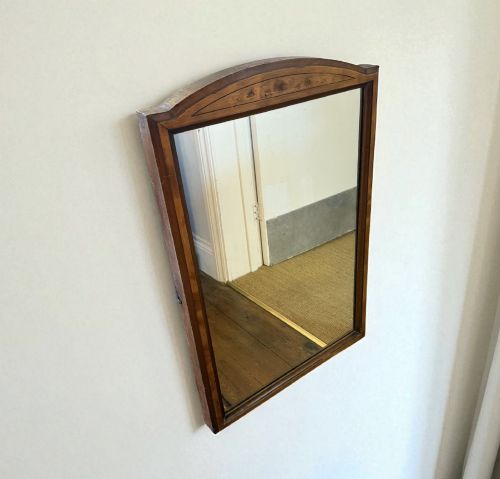
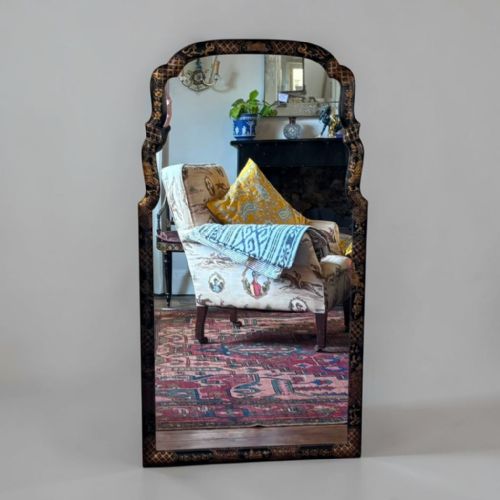
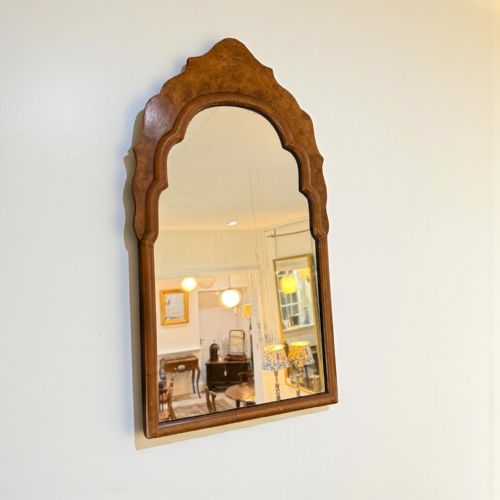
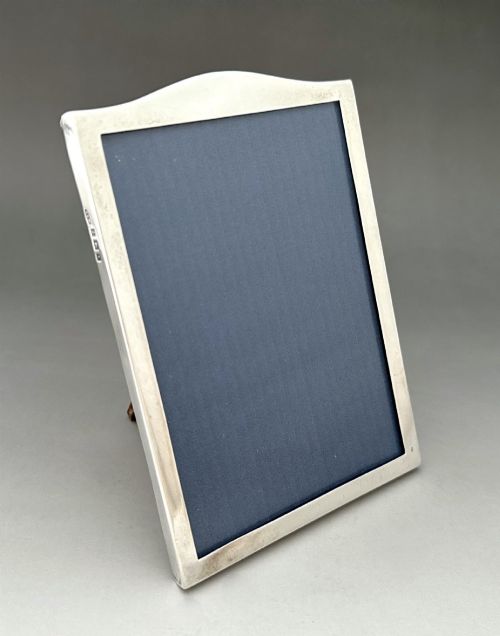
These antique arched frames bring scale and proportion to a room, framing glass or architectural space with period craftsmanship.
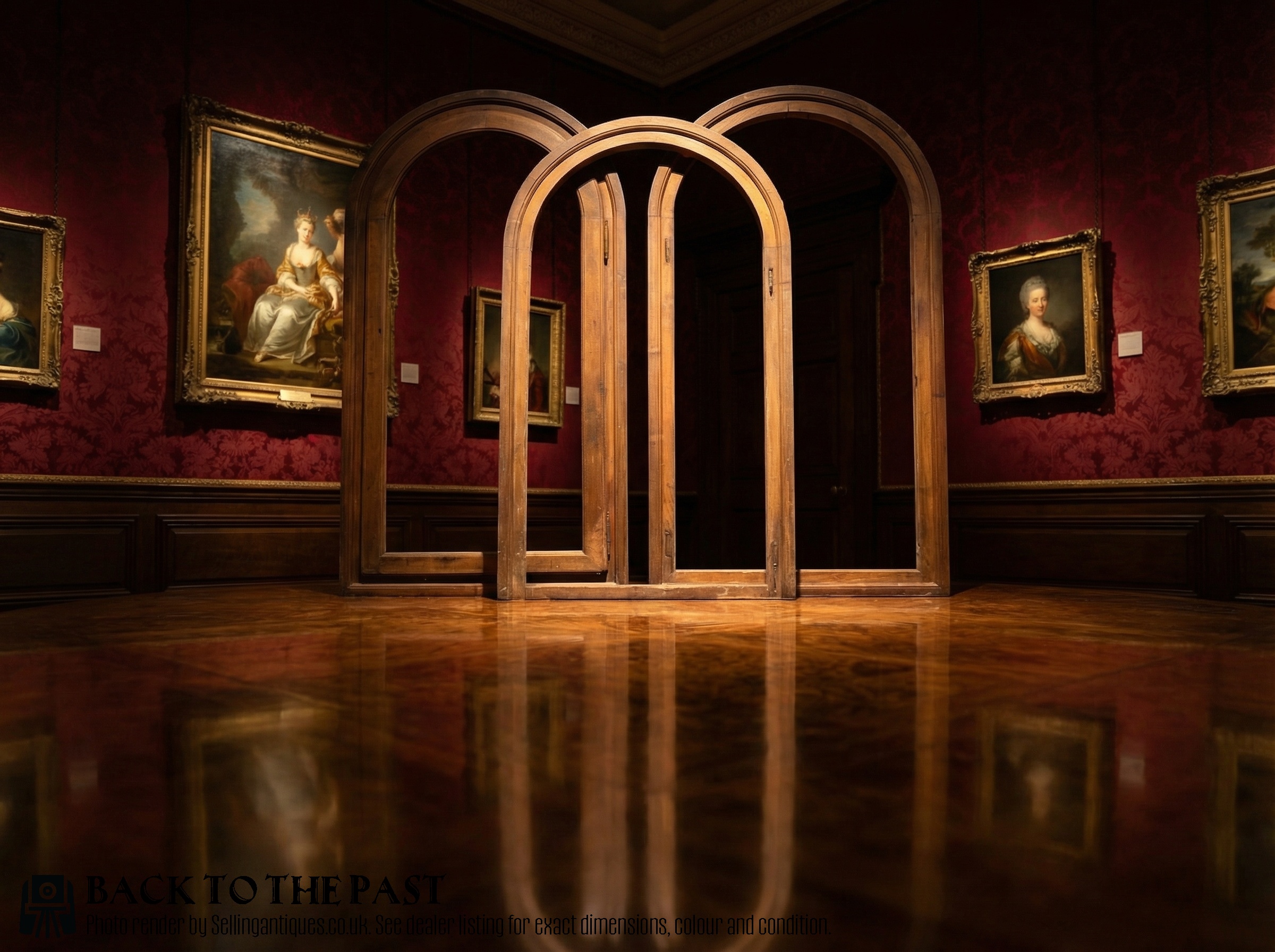
Antique Arched Frames
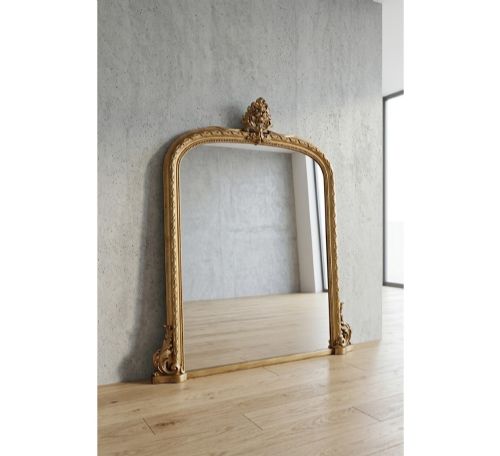
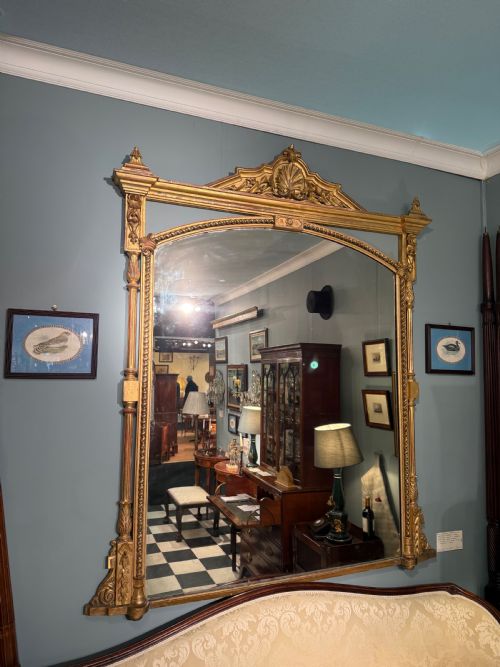
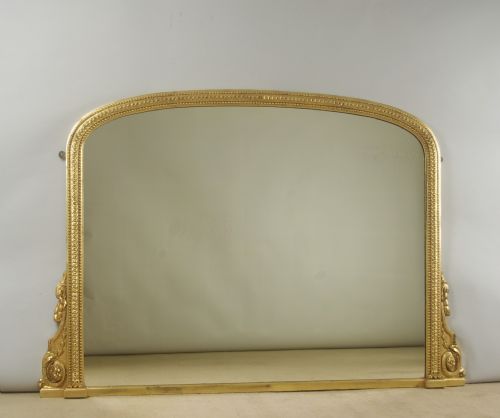
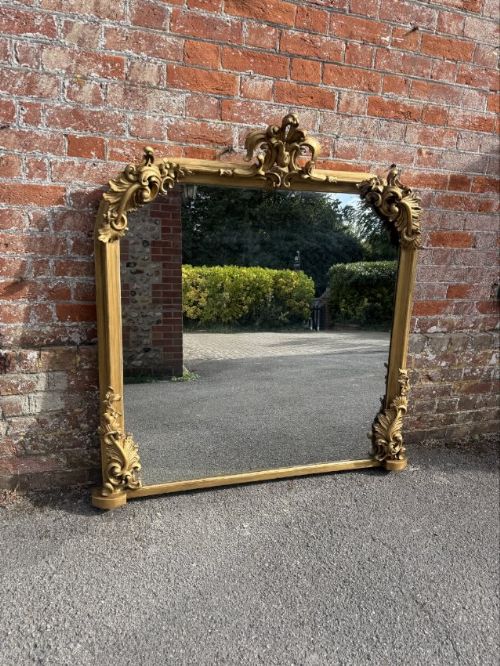
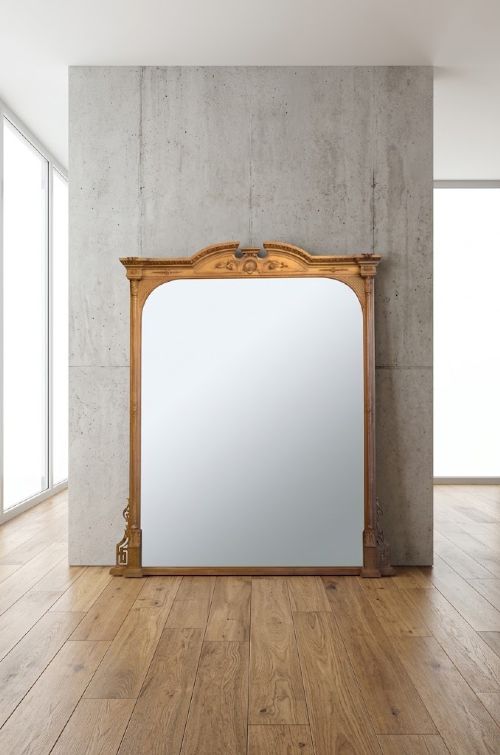
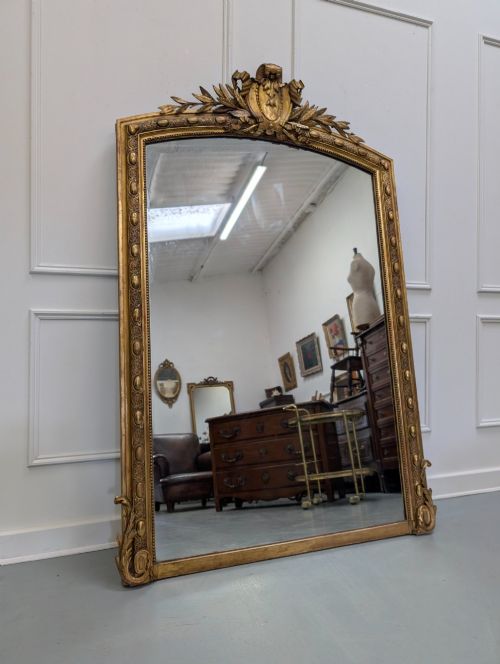
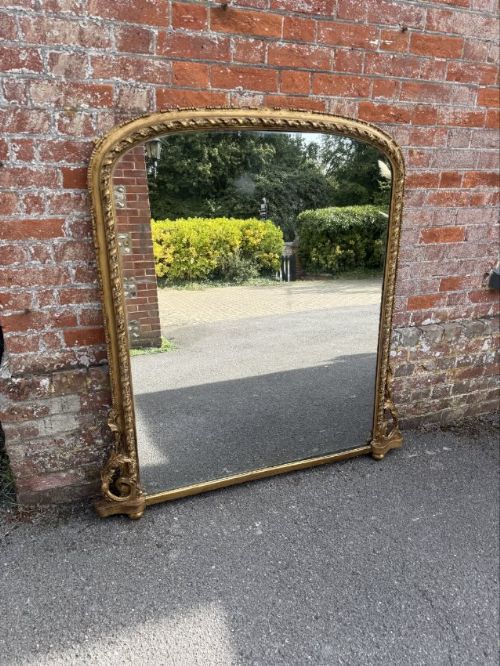
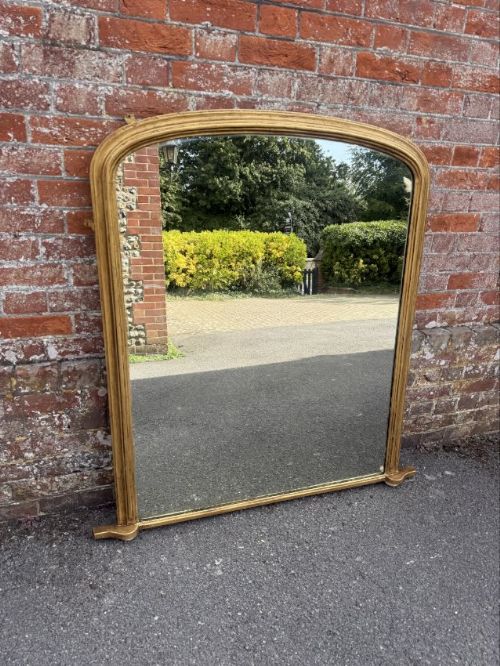
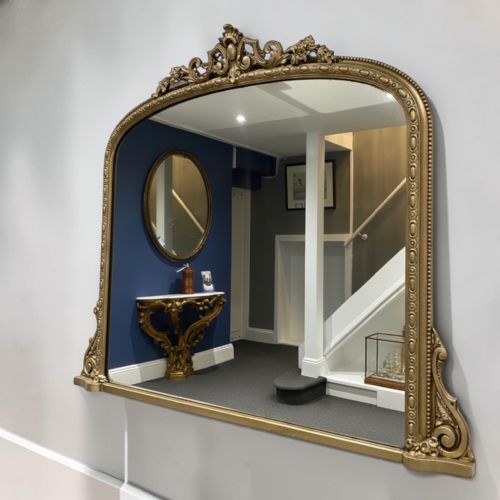
When searching for antique arched frames, buyers encounter large overmantle mirrors, wall mirrors, and architectural pieces that define period interiors. The selection leans heavily towards nineteenth-century English and French examples, particularly large overmantle mirrors designed to sit above a fireplace.
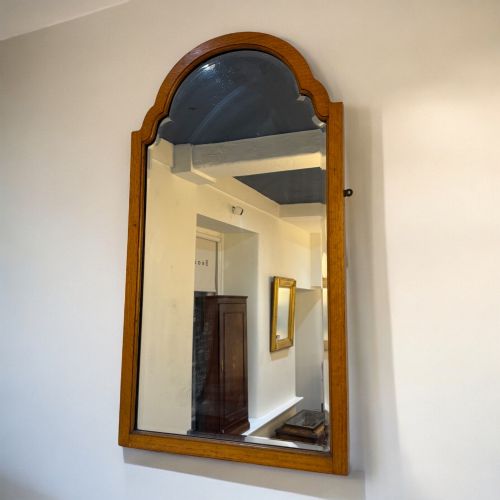
Beyond mirrors, the inventory includes oak wall mirrors, architectural salvage such as gothic window frames, and occasional bed frames. These items cross various Victorian, Louis Philippe, and Gothic Revival styles, spanning the mid-nineteenth century through to the early twentieth century.
How they were made
Carved wood provides the structural foundation for many of these pieces, often overlaid with gesso to build up intricate relief details before guilding. Giltwood, gold leaf, and silvered finishes give the frames their reflective surfaces and decorative presence.
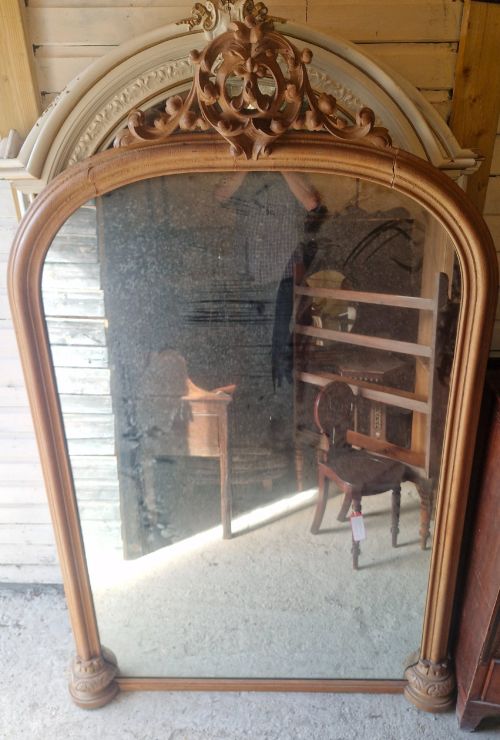
Other materials such as oak, plaster, and glass complete the construction, with mirror glass frequently showing period characteristics like foxing. Wood framing techniques include rope carving and ribbed mouldings applied to the arched or shaped tops.
Some frames incorporate nautical rope twists carved directly into the wood, proving that nineteenth-century joiners loved a maritime nod.
What varies in quality
The standard of carving and the crispness of the gesso relief set the finest examples apart from simpler production. Deep, hand-carved wooden details hold up better over time and show greater definition than moulded plaster substitutes.
Original mercury glass and intact gilding contribute significantly to the character and desirability of a piece. The integration of the arched frame with its original glass or architectural surround dictates the overall integrity of the object.
Henri Charles Angéniol
The Antique Arched Frames Glossary
- Gesso
- A plaster-like mixture applied to wood frames to create a smooth surface for gilding or painting. It allows craftsmen to carve intricate relief ornaments.
- Overmantle mirror
- A large mirror specifically proportioned to hang on the wall directly above a fireplace mantelpiece. They often feature arched or shaped tops to draw the eye upward.
- Giltwood
- Wood that has been covered with a thin layer of gold leaf or gold paint. This finish creates a bright, reflective surface popular in formal nineteenth-century interiors.
- Louis Philippe
- A French style spanning the mid-nineteenth century characterised by restrained curves and simple arched tops. These mirrors balance decorative elegance with functional proportions.
- Foxing
- Age-related spots and discoloration appearing within the silver backing of mirror glass. Collectors value this natural oxidation as proof of authentic period origin.
Antique Arched Frames: Frequently Asked Questions
How do I hang a heavy overmantle mirror?
Large nineteenth-century overmantle mirrors carry substantial weight due to their wooden frames and thick glass. Secure mounting requires fixing directly into wall studs or using heavy-duty masonry anchors suited to the specific wall type.
Professional installation is often recommended to distribute the load safely across the frame structure. Ensuring the weight rests partially on the mantelpiece itself can also provide additional support.
What is Louis Philippe style?
Louis Philippe frames originate from mid-nineteenth-century France and are known for understated elegance. They typically feature gentle rounded upper corners and minimal ornamentation compared to earlier baroque revivals.
This restrained aesthetic makes them versatile additions to both traditional and contemporary interiors. Their clean lines allow the quality of the wood and gilding to remain the primary focus.
How can I date an arched mirror?
Dating relies on examining the construction methods, backing boards, and glass characteristics. Nineteenth-century pieces often display hand-carved wooden frames beneath gesso layers, alongside older plate glass techniques.
Styles such as Gothic Revival or Victorian ornamentation provide further chronological clues. Comparing the proportions and decorative motifs to documented period examples helps narrow down the decade of manufacture.
Where should I place an arched frame?
Arched frames excel at creating a focal point when hung above fireplaces, consoles, or low sideboards. Their curved tops draw the gaze upward, adding a sense of height and architectural depth to a room.
Positioning them opposite a window helps amplify natural light throughout the living space. Smaller wall-mounted versions work effectively in hallways or bedrooms to balance room proportions.