







Antique Apprentice Model
An antique apprentice model is a small-scale demonstration piece showcasing a craftsman's skill, offering rich cabinetwork and varied forms for the discerning collector.
Antique Apprentice Model
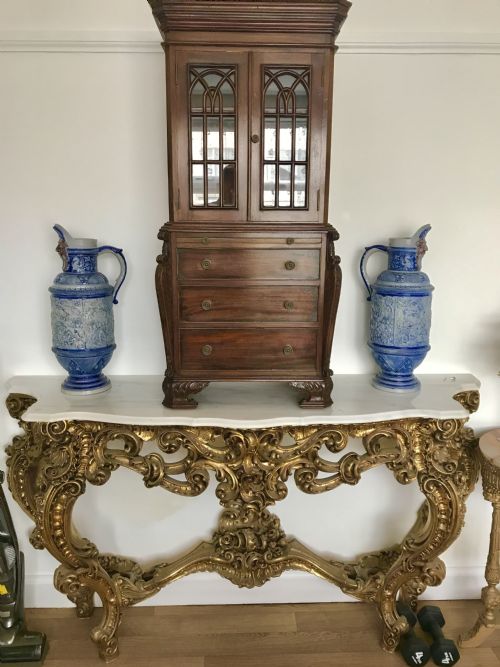
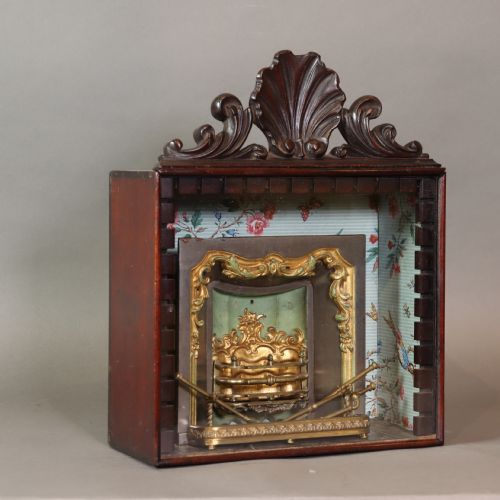
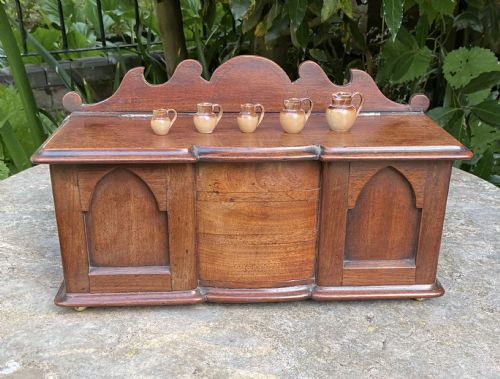
When you search for an antique apprentice model, you encounter a diverse array of small-scale furniture, architectural structures, and domestic items produced across the eighteenth, nineteenth, and early twentieth centuries. These diminutive pieces range from miniature mahogany bureau bookcases and sideboards to diminutive armchairs, hall chairs, and intricate fireplace surrounds.
The objects listed span significant stylistic periods, incorporating Victorian folk art, Georgian and Queen Anne styles, Chippendale revival, and Art Deco design. Many examples represent scaled-down household furnishings, whilst others function as architectural models or agricultural displays such as a single furrow plough.
Originating as tests of skill, journeyman displays, or salesman samples, these miniature works capture the meticulous proportions of full-sized domestic and architectural creations. The forms met on this page demonstrate the practical capabilities of historical makers working in diverse regional traditions.
Factors determining quality
The distinction between ordinary and superior pieces rests on the fidelity of proportion and the sophistication of the joinery. Finer examples maintain exact architectural or furniture scales, whereas lesser items rely on simpler, blocky construction without the refined detailing of miniature mouldings or working drawers.
Material selection also dictates standing, with dense hardwoods like mahogany and walnut offering a crisper edge to carved ornaments compared to softer pine or plain timber. The integration of secondary materials such as brass fittings or polished slate elevates the complexity of the piece.
Antique Apprentice Model Retail Price Guide 2026
Typical asking prices for apprentice model among the pieces listed under this phrase on Sellingantiques today, from the lower quarter to the upper quarter. They describe what is for sale here now, not the wider market.
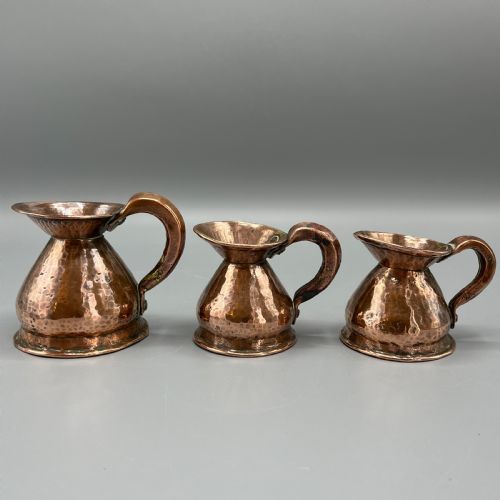
Listings feature items spanning the eighteenth, nineteenth, and early twentieth centuries, constructed from mahogany, pine, walnut, slate, and brass.
The Antique Apprentice Model Glossary
- Apprentice piece
- A small-scale item created by a trainee craftsman to demonstrate mastery of joinery and woodworking techniques before joining a trade guild. These objects mirror full-sized furniture in construction and detail.
- French polished
- A wood finishing technique that applies many thin coats of shellac dissolved in alcohol using a rubber pad. This method produces a high gloss with a deep, warm glow characteristic of fine period furniture.
- Miniature furniture
- Small representations of household furniture built for display, sales demonstration, or as journeyman tests. They follow the exact stylistic conventions of their full-sized domestic counterparts.
- Architectural model
- A three-dimensional physical representation of a building or architectural feature such as a fire surround. These models served planning, design, or instructional purposes.
- Vernacular
- Regional building or crafting styles dictated by local traditions, materials, and practical needs rather than high academic design. Agricultural vernacular pieces reflect local working environments.
Antique Apprentice Model: Frequently Asked Questions
What is an apprentice piece?
An apprentice piece is a miniature or scaled-down object created by a trainee artisan to prove competency in their chosen craft.
These items allowed young workers to demonstrate mastery of complex joints, turning, and finishing techniques to master craftsmen.
How were these miniature models used?
Makers used these pieces as examinations of skill, whilst salesmen utilised portable miniature items to showcase furniture designs to prospective clients.
Architectural and agricultural models also served practical demonstration purposes for buildings and machinery before full-scale production.
How do I date an apprentice model?
Dating relies on identifying the prevailing stylistic period reflected in the miniature, such as Chippendale revival, Victorian folk art, or Art Deco.
Examining the underlying timber, secondary metals, and finishing methods like French polishing provides further chronological indicators.
How should I display these models?
These small items suit placement on tabletops, within specialised display cabinets, or upon designated shelves where their fine scale can be appreciated.
Keeping them away from direct sunlight and fluctuating humidity protects sensitive historical timbers and polished surfaces.