




Antique Apple Painting
An antique apple painting brings the rich colours of orchard fruit and blossom directly into a room through oil, watercolour, or porcelain.
Antique Apple Painting
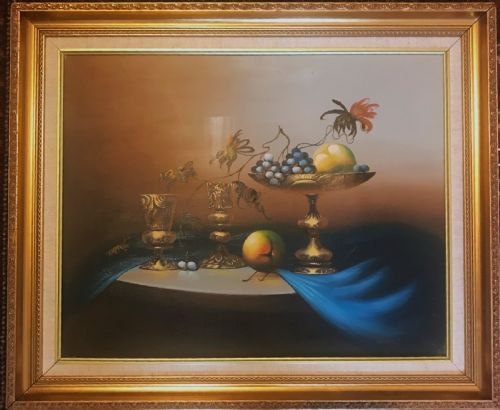
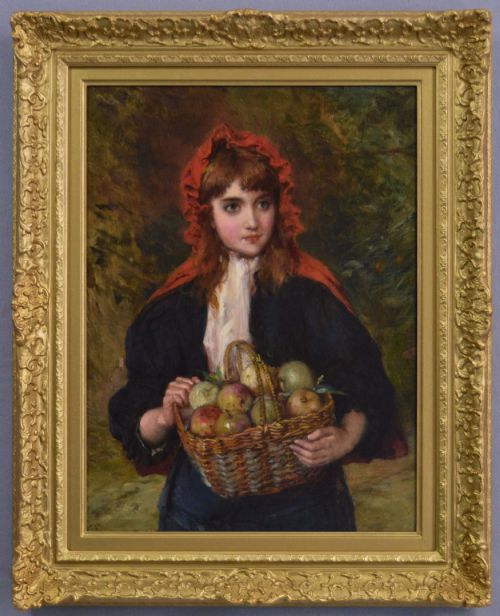
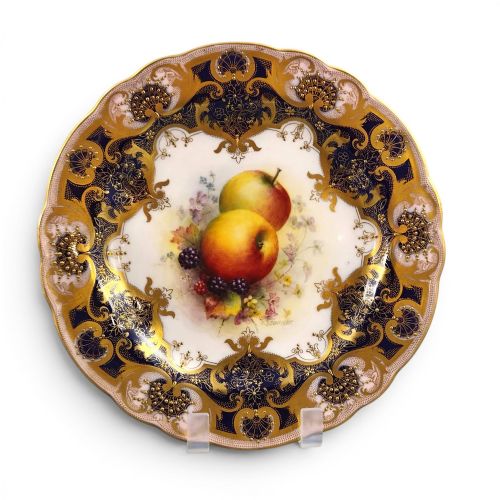
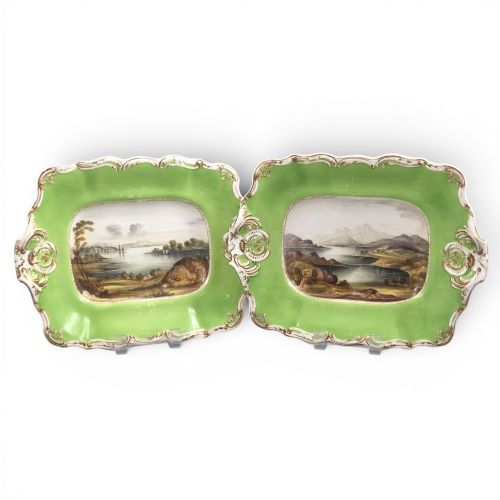
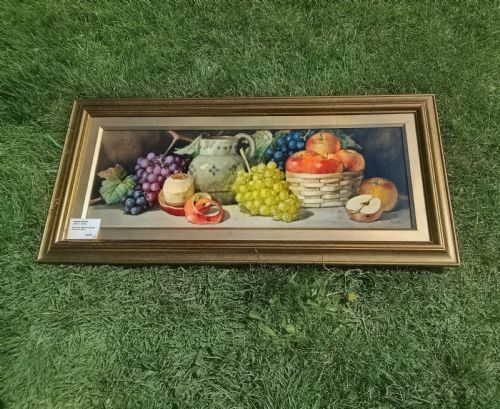
An antique apple painting encompasses fine art works executed in oil and watercolour alongside hand-painted porcelain tableware. The selection centres on nineteenth century still life studies and botanical watercolours depicting fruit and blossom.
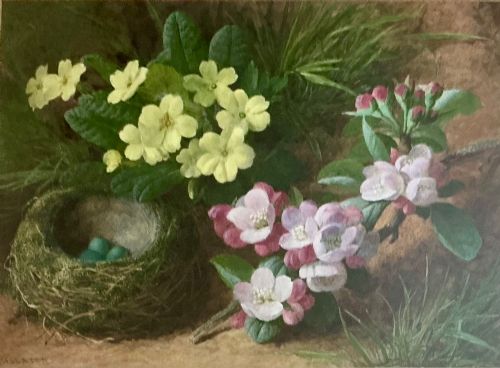
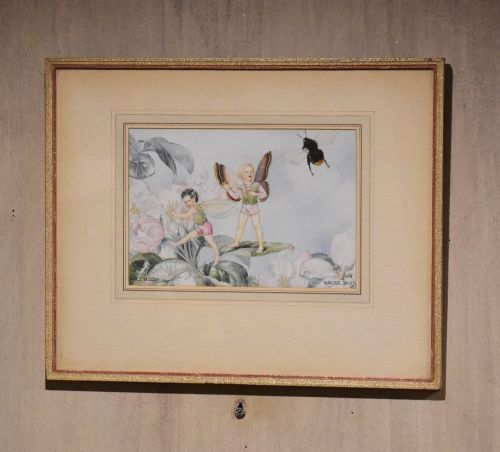
Buyers encounter oil paintings on canvas and wood panel alongside detailed watercolours and decorative porcelain plates. These works range from academic still life compositions to delicate depictions of apple blossom alongside birds.
How they were made
Painters applied oil paint to canvas or wood panel, building up rich fruit textures and shadow. Watercolourists worked on paper, capturing delicate floral details of apple blossom.
Ceramic pieces utilise porcelain bodies decorated with hand-painted enamel fruit scenes, often finished with gilt details such as gold leaf.
Antique Apple Painting Retail Price Guide 2026
Typical asking prices for apple painting among the pieces listed under this phrase on Sellingantiques today, from the lower quarter to the upper quarter. They describe what is for sale here now, not the wider market.
Materials represented include oil paint on canvas and wood panel, watercolour on paper, and enamelled porcelain.
What varies in quality
Quality rests on the precision of the brushwork and the naturalism of the fruit or floral forms. Skilful handling of light and shadow separates accomplished still life studies from simpler decorative works.
The fineness of the porcelain body and the complexity of the hand-painted enamel palette determine the standing of ceramic plates and dishes.
Marjorie L Davies·William Oliver·Chamberlains Worcester·Richard Sebright·Arthur Dudley·Copeland and Garrett·Bloor Derby·Minton·Flight Barr and Barr·Samuel Astles·Lorenzo Headley·Davenport·Arthur Wardle·Coalport·John Sherrin·Oliver Clare·Helen Cordelia Angell·William Stephen Coleman·Royal Crown Derby
The Antique Apple Painting Glossary
- Still life
- A painting or drawing depicting inanimate subject matter, typically commonplace objects such as fruit, flowers, and larder items. These compositions allow artists to explore light, shadow, and texture.
- Oil paint
- A slow-drying medium consisting of pigments suspended in a drying oil, commonly linseed. This allows painters to blend tones smoothly and build rich impasto layers.
- Watercolour
- A painting method in which the paints are made of pigments suspended in a water-based solution. It is applied to paper to create translucent washes of colour.
- Porcelain
- A ceramic material made by heating materials, generally including clay in the form of kaolin, in a kiln. It yields a hard, non-porous white body suitable for detailed enamel painting.
- Gold leaf
- Gold beaten into thin sheets used for gilding frames and ceramic borders. It adds reflective warmth to the edges of plates and paintings.
Antique Apple Painting: Frequently Asked Questions
What subjects appear in an antique apple painting?
These works focus primarily on botanical studies of apple blossom and detailed still life arrangements featuring apples alongside grapes, pomegranates, and bread. Some pieces place the fruit within natural landscapes or domestic larder settings.
Artists ranging from nineteenth-century realists to watercolour illustrators recorded the fruit both on the branch and gathered in baskets.
How were these painted porcelain plates used originally?
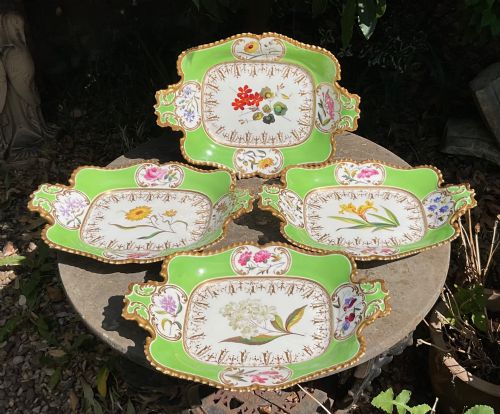
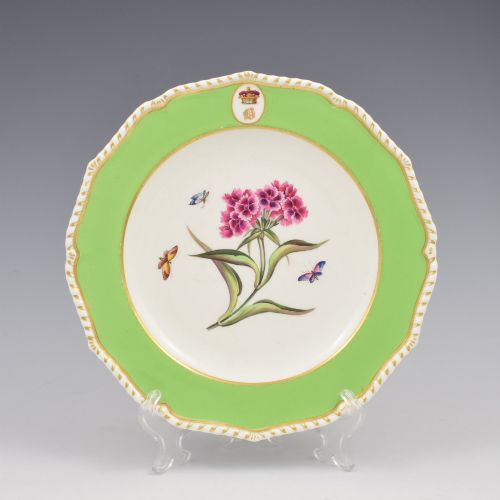
Plates, dishes, and tea sets from makers like Minton and Chamberlains Worcester served as dessert services for wealthy dining rooms. They combined utility with decorative displays of botanical illustration.
Cabinet plates were frequently exhibited on walls or within display cabinets rather than used for daily dining.
How should I care for an oil painting on wood panel?
Keep the piece away from direct sunlight and areas subject to sudden temperature shifts. Stable indoor conditions prevent the wood panel and oil layers from warping or cracking.
Dust the surface gently with a soft, dry brush and avoid using any liquid cleaners on the paint.
How do I identify a nineteenth-century watercolour?
Examine the paper stock and the pigment application under magnification to check for hand-applied brushwork rather than modern printing. Nineteenth-century works often exhibit tonal depth characteristic of period watercolours.
Signatures, dates, and framing materials also provide clues to the period of execution.