



Antique Antiquarian Book
An antique antiquarian book is a volume holding centuries of paper, calfskin, and ink that brings historical print directly to your shelf.
Antique Antiquarian Book
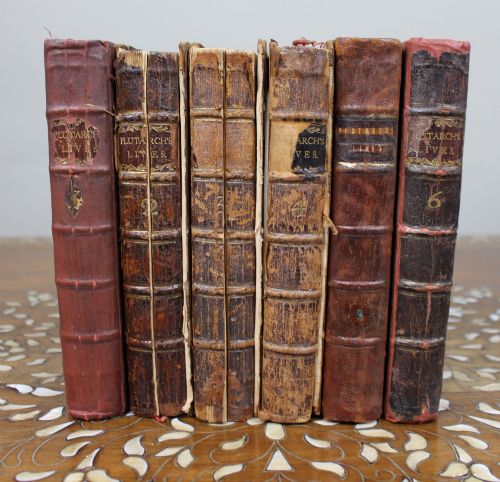
An antique antiquarian book represents centuries of printed history, ranging from miniature volumes to multi-volume sets. When exploring this selection, a buyer encounters bound literature, historical reference volumes, and poetry from the seventeenth century through the Edwardian period.
The objects span individual volumes and large sets, including works by William Shakespeare, historical accounts, and French texts. These pieces originate from eighteenth century productions, Regency editions, and Victorian publications.
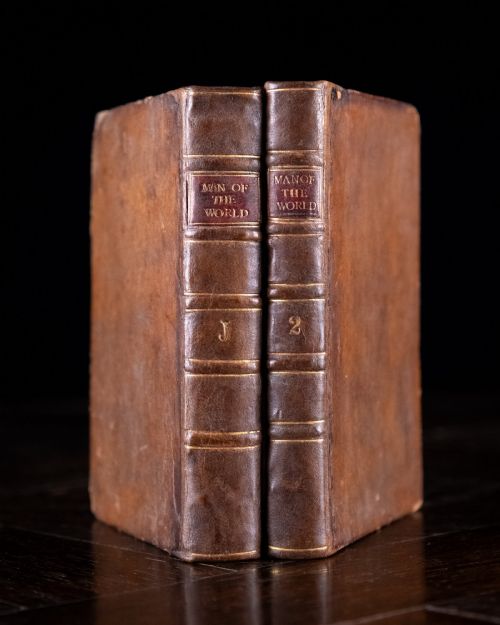
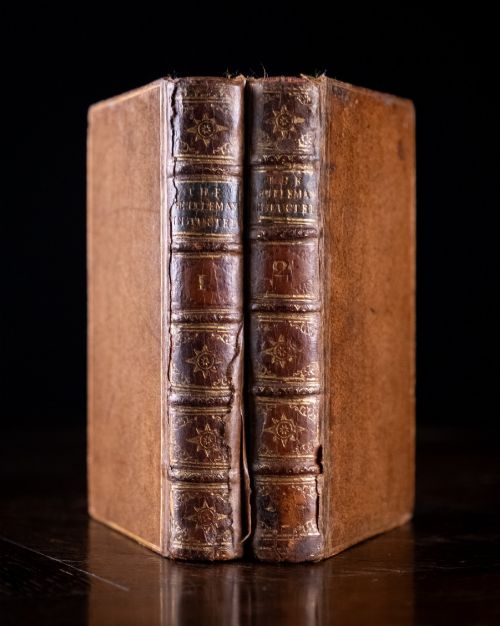
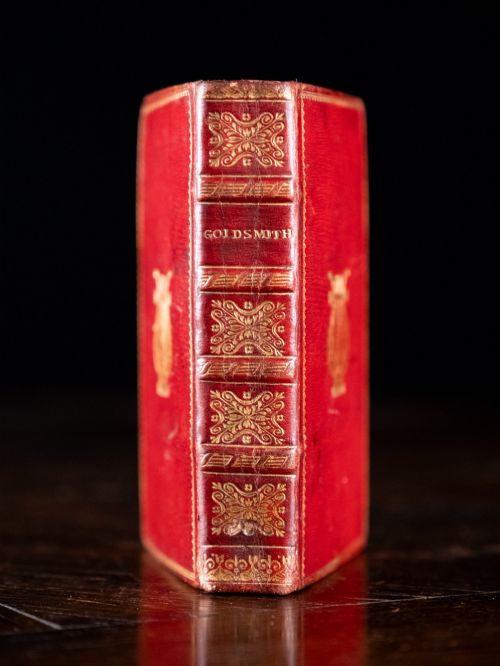
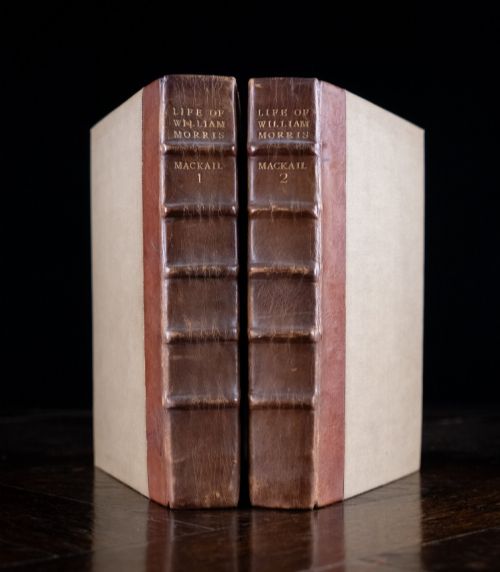
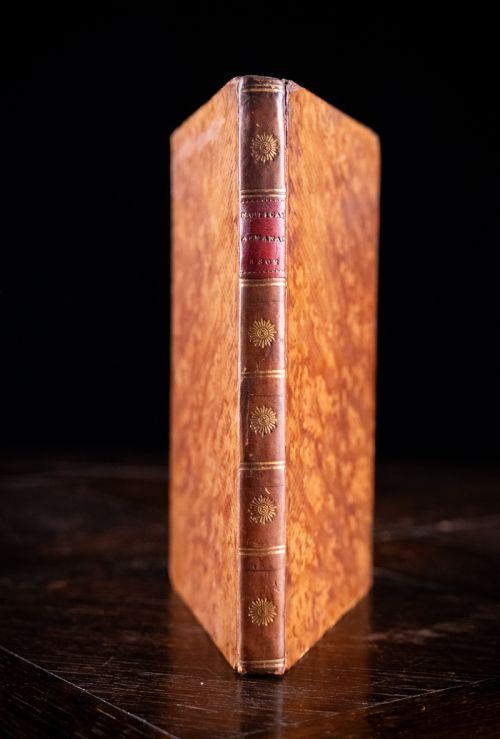
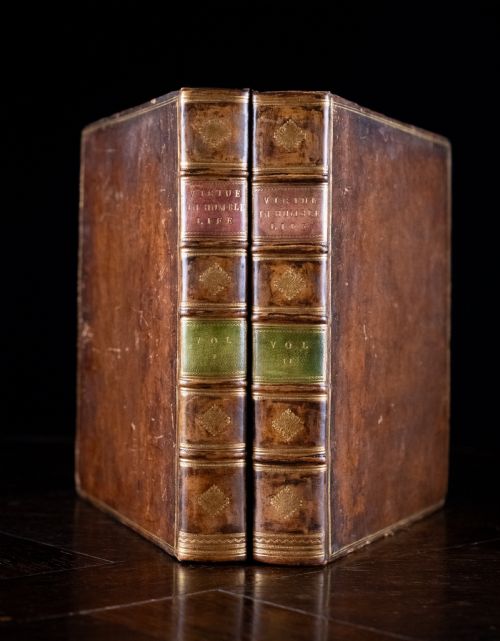
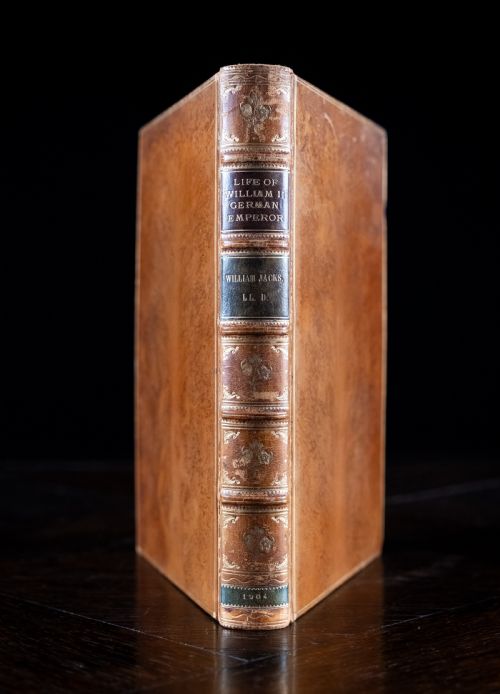
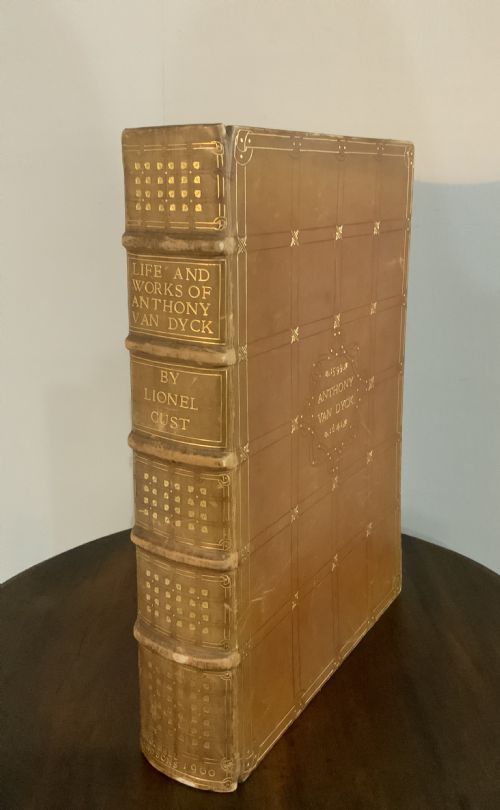
The most common formats on this page are leather bound books and multi-volume sets. Buyers regularly find works featuring original calfskin bindings, gold leaf tooling, and marbled paper endpapers.
Materials and construction
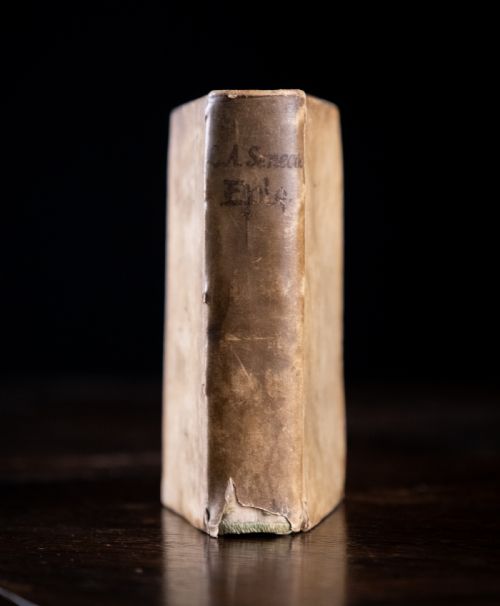
Binders constructed these volumes using durable materials such as calfskin leather, vellum, and heavy paper. They applied gold leaf to tool the spines and boards, creating decorative titles and geometric patterns.
Printers set metal type by hand and pressed ink onto rag paper stock. Artisans then stitched the gatherings together and secured them inside leather or paper boards.
Antique Antiquarian Book Retail Price Guide 2026
Typical asking prices for antiquarian book among the pieces listed under this phrase on Sellingantiques today, from the lower quarter to the upper quarter. They describe what is for sale here now, not the wider market.
Listings feature paper, calfskin leather, vellum, and gold leaf applied across seventeenth-century to Edwardian periods.
Elements of quality
The standard of a volume rests upon the integrity of its binding and the clarity of its original typography. Full leather covers with crisp gold tooling and intact joints stand apart from heavily restored or abraded examples.
Completeness dictates worth within multi-volume sets and first editions. Volumes retaining all original plates, maps, and half-title pages represent the higher tier of surviving print.
J. & R. Tonson·Jean Dassier·Newbery
The Antique Antiquarian Book Glossary
- Vellum
- A fine parchment prepared from calfskin, used for durable book bindings. It offers a smooth, pale surface that resists wear over the centuries.
- Calfskin
- A soft, supple leather derived from the skin of a calf. Bookbinders prize it for its smooth grain and ability to hold intricate gold tooling.
- First Edition
- The earliest printed appearance of a work issued from the publisher's type settings. These copies hold significant interest for collectors tracing original texts.
- Gold Leaf
- Gold beaten into an extremely thin sheet used for stamping letters and ornamentation onto leather spines. It prevents tarnishing and preserves the brilliance of the title.
- Marbled Paper
- Paper decorated with a colourful patterned swirl design created by floating pigments on a liquid bath. Binders frequently used these sheets for endpapers inside the covers.
Antique Antiquarian Book: Frequently Asked Questions
How do I care for leather bound books?
Keep volumes away from direct sunlight and excessive humidity to prevent the leather and paper from drying out. Store them upright on sturdy shelves without packing them too tightly together.
Handle the spines with care when removing a book from the shelf. Allow air circulation around the bookcase to protect the paper and bindings from dampness.
What makes a book antiquarian?
An antiquarian book is generally defined by its age, historical significance, and collectable nature rather than just its subject matter. Volumes from the seventeenth, eighteenth, and nineteenth centuries frequently fall into this category.
These older works often feature distinct printing methods, handmade paper, and traditional binding techniques that separate them from modern mass-produced publications.
How do I identify publication dates?
Check the title page for printed dates, or look through the preliminary pages for publisher notes and copyright information. Many older volumes use Roman numerals for their publication years.
Reference volumes and biographical details within the text can also help narrow down the decade when the book was printed.
Are multi-volume sets usually complete?
Completeness depends on whether all original books issued in the specific set remain together. Checking the total volume count stated on the title pages against the physical items confirms the set is whole.
Many listings specify the exact number of volumes included, such as four-book or twelve-book sets, allowing collectors to verify the contents.