

Antique Anniversary Ring
An antique anniversary ring carries the weight of past decades, offering enduring craftsmanship through precious stones and gold settings.
Antique Anniversary Ring
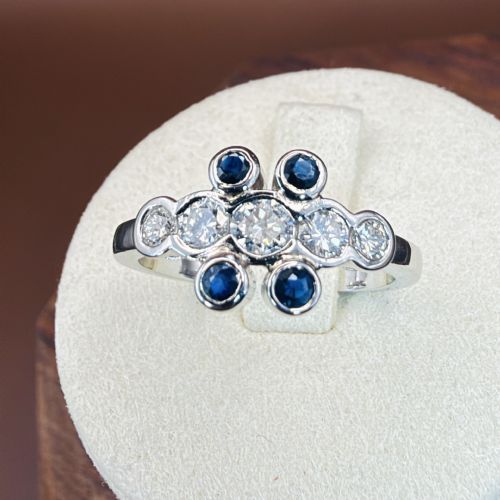
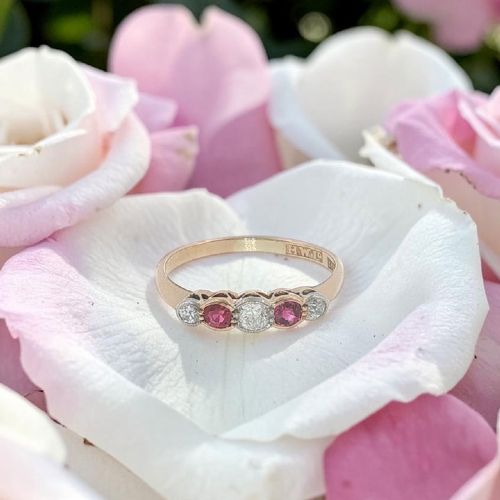
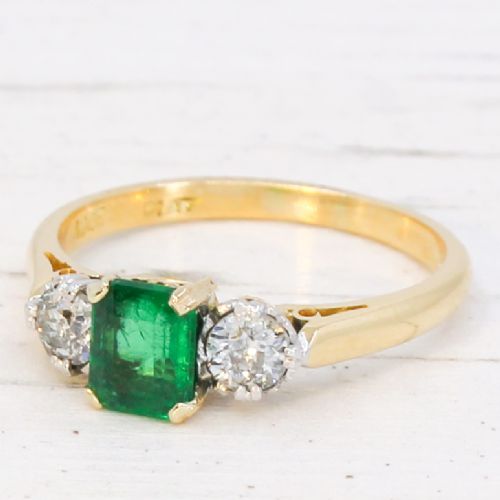
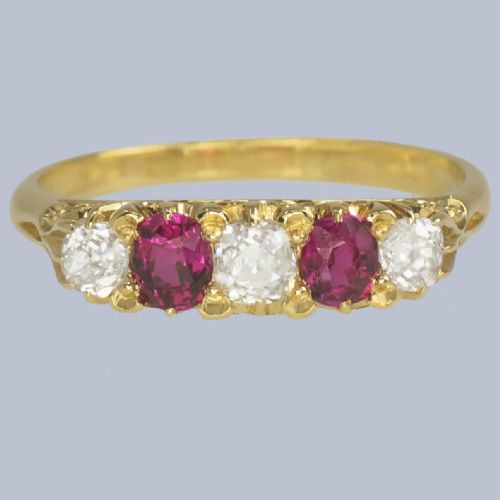
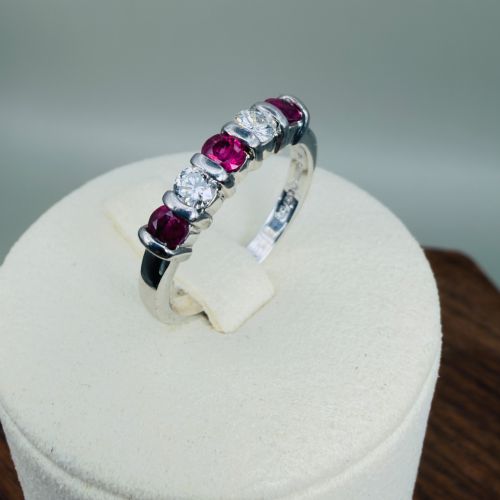
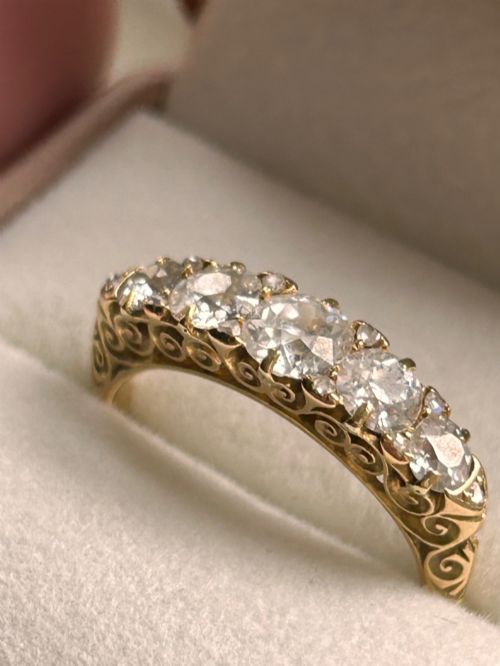
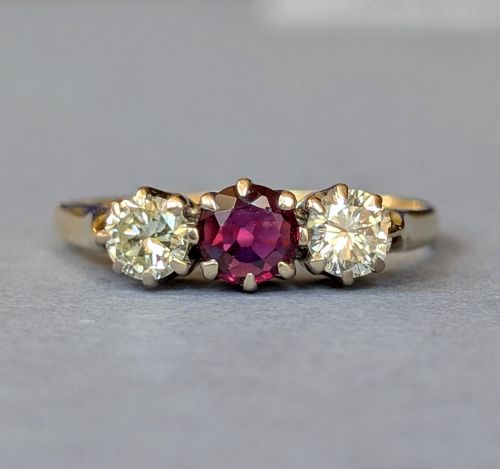
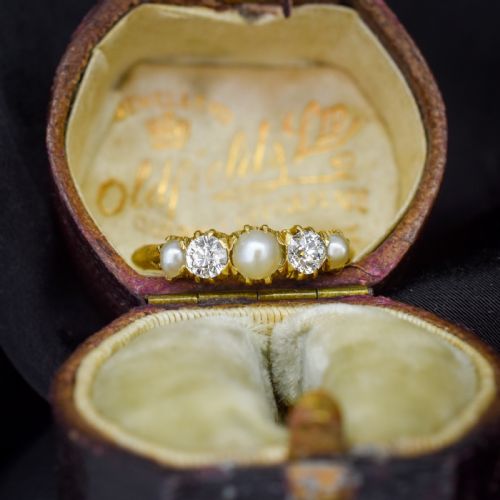
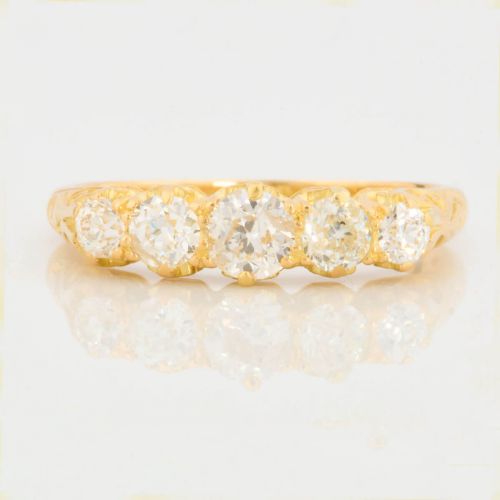
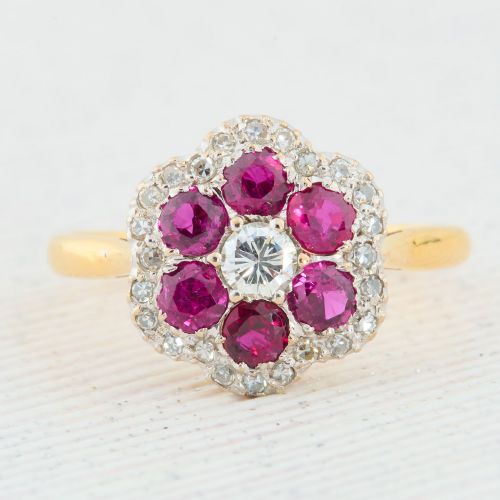
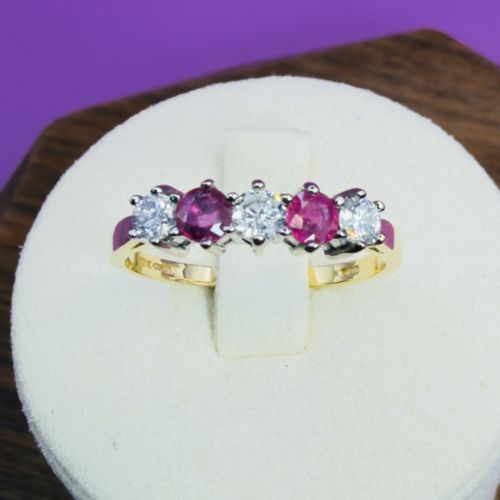
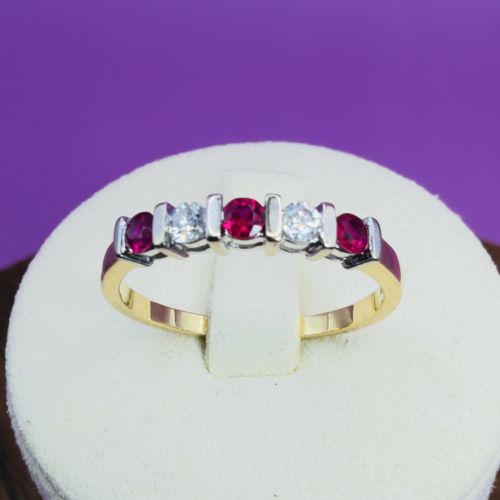
An antique anniversary ring brings together gemstones and precious metals, predominantly seen across Victorian, Edwardian, and Art Deco periods, alongside mid-century examples. These pieces typically take the form of five-stone rings, half eternity bands, and trilogy designs.
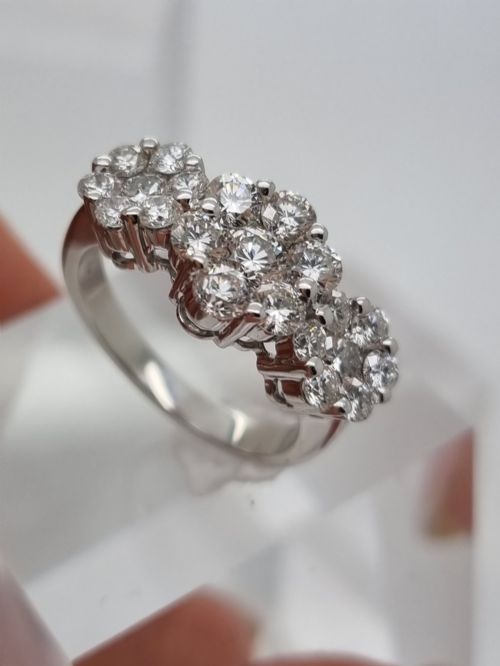
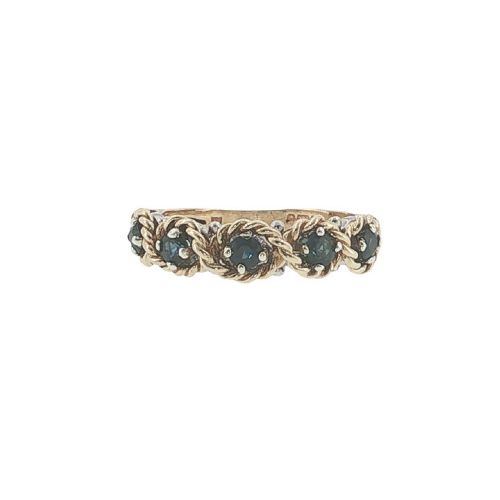
The materials recorded in these pieces include yellow gold, white gold, platinum, and various combinations of diamond, ruby, pearl, sapphire, amethyst, and garnet. Buyers encounter traditional band rings alongside patterned hoops and cluster formations reflecting the style of their respective decades.
Distinctions in standard
The standard of a piece rests in the precision of the stone setting and the integrity of the precious metal band over decades of wear. Stone cut and weight, from smaller diamond accents to substantial multi-carat arrangements, alter the overall presence of the ring.
Proportion and balance between the gemstones and the surrounding gold or platinum setting define the visual harmony of the finished piece. Preservation of original hallmarks and minimal alteration to the band structure also separate fine examples from heavily modified items.
Listings span Victorian, Edwardian, Art Deco, and mid-century periods, utilising diamond, ruby, pearl, sapphire, and platinum.
The Antique Anniversary Ring Glossary
- Old mine cut
- A diamond cut shape originating in the nineteenth century featuring a cushion outline, high crown, and small table facet. This cut produces a distinctive pattern of light return compared to modern brilliant cuts.
- Half eternity band
- A ring set with gemstones along the top half of the band rather than completely encircling the finger. This layout provides the visual effect of an eternity ring while allowing for easier sizing.
- Five stone ring
- A design featuring a row of five graduated or matching gemstones mounted across the finger. This configuration is widely represented among Victorian and early twentieth-century pieces.
- Trilogy ring
- A setting comprising three stones, often signifying past, present, and future. These stones are typically diamonds or a combination of diamonds and coloured gems like rubies.
- Gypsy set
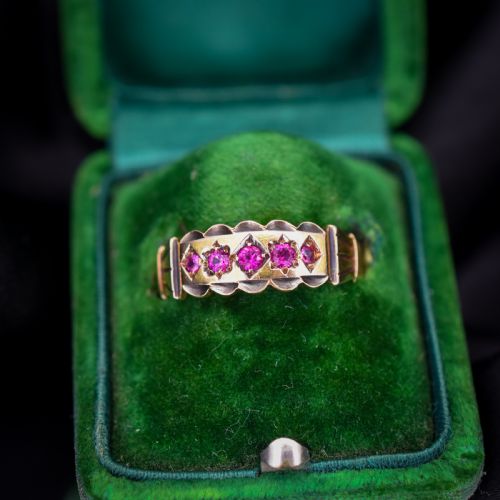
- A mounting style where stones are flush-set directly into the thick metal band so the surface remains relatively smooth. This technique creates a secure setting popular in Victorian jewellery.
Antique Anniversary Ring: Frequently Asked Questions
How do I wear an antique anniversary ring?
These rings suit daily wear when paired thoughtfully with other bands, though care should be taken with softer gems like pearls.
Consider the profile of the setting to ensure it sits comfortably alongside existing jewellery without causing friction against adjacent rings.
Can these rings be resized safely?
Most gold and platinum bands can be adjusted by a skilled jeweller, depending on the distribution of stones around the hoop.
Half eternity rings and heavily patterned bands require careful evaluation so the structural integrity of the metal and stone settings remains undisturbed.
What periods do these rings represent?
The selection spans from the Victorian era through the Edwardian period and Art Deco years, extending into mid-century modern designs.
Each era brings distinct aesthetic choices, from gypsy settings and floral clusters to geometric white gold and platinum arrangements.
How do I clean an antique ring?
Gentle cleaning with warm water, mild soap, and a soft brush removes everyday accumulation without harming older settings.
Avoid harsh chemical dips or ultrasonic cleaners, particularly for rings containing pearls or softer coloured stones that require delicate handling.