




Antique Animal Taxidermy
Antique animal taxidermy brings the natural world indoors through preserved mounts, horns, and leather models that anchor a room with history.
Antique Animal Taxidermy
When you search for antique animal taxidermy, you encounter preserved specimens, carved trophies, and sculptural representations that span the nineteenth and early twentieth centuries. These pieces encompass utilitarian horns, wall-mounted trophies, and hand-worked leather models shaped by period craftsmen.
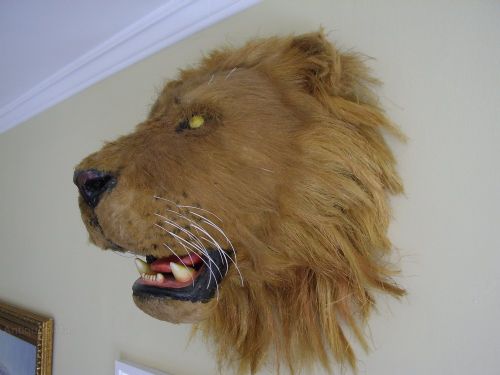
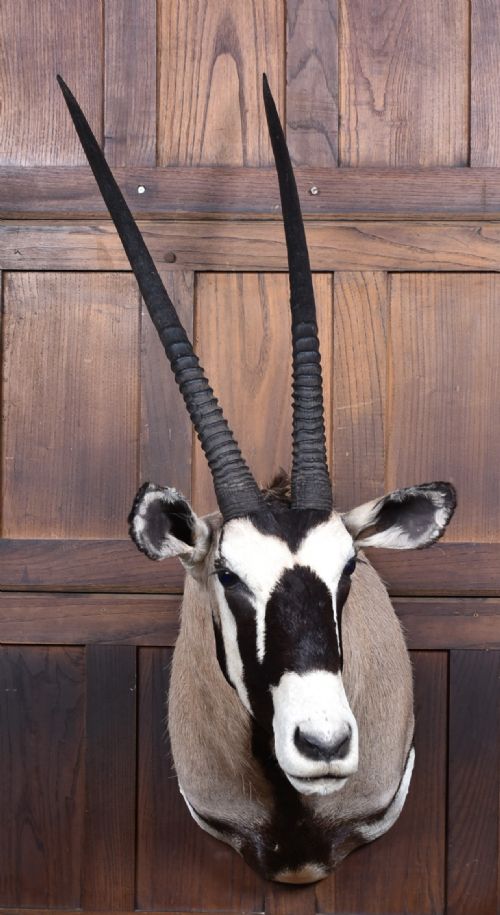
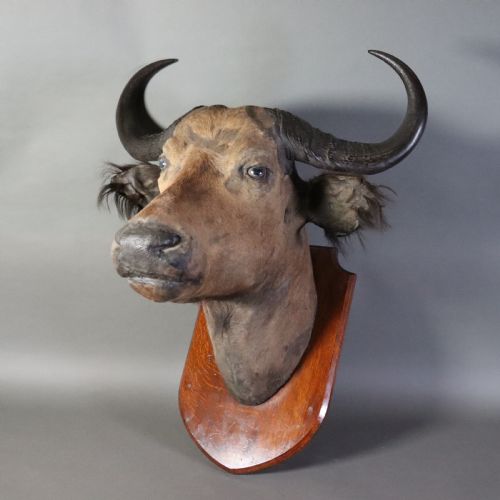
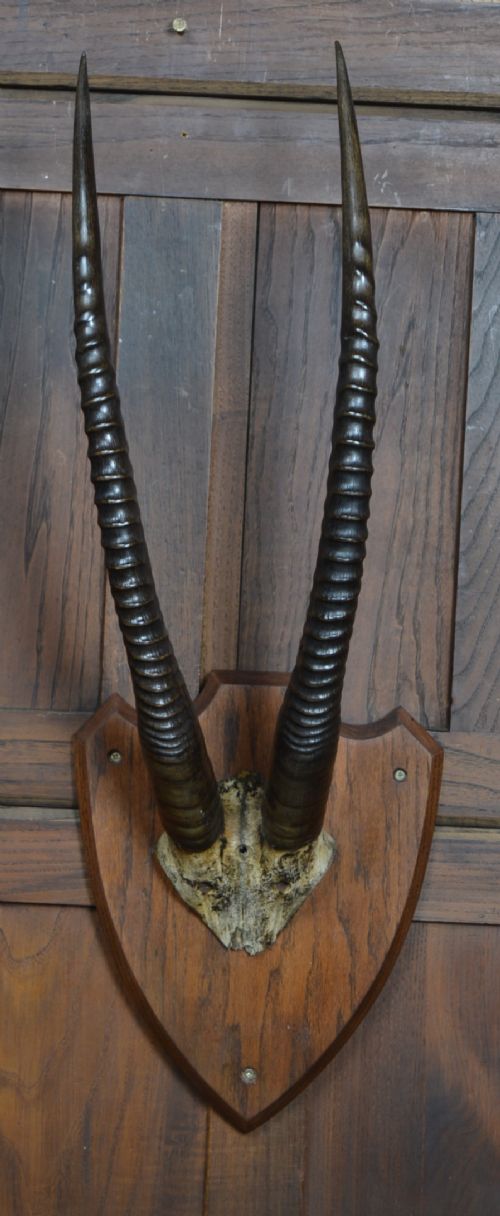
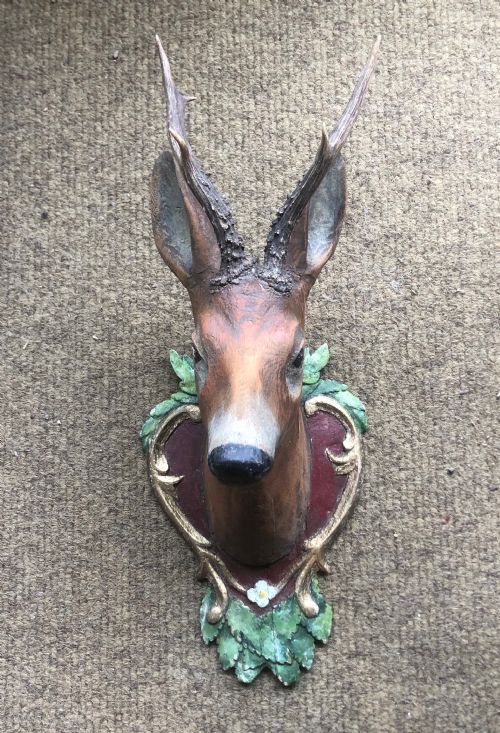
The selections available here lean heavily towards Victorian and Edwardian works, alongside distinct folk art expressions. You find items ranging from mounted buffalo and ram horns to life-sized leather horses and detailed deer heads.
Origins stretch across British workshops and Scandinavian traditions, reflecting the diverse ways past generations preserved and interpreted wildlife. Each object records a specific period's relationship with the natural world, from Highland hunting lodges to domestic folk interiors.
How they were made
The construction of these pieces relies on organic materials such as bone, horn, antler, and leather, mounted onto supportive wooden backings or structural frames. Wood and oak provide stable foundations for wall-mounted trophies, while glass occasionally protects sensitive displays.
Makers combined traditional taxidermy methods with sculptural craft, as seen in painted folk art deer and hand-formed leather horse models. Paint and metal finishes often complete these works, adding colour and securing structural joins.
Antique Animal Taxidermy Retail Price Guide 2026
Typical asking prices for animal taxidermy among the pieces listed under this phrase on Sellingantiques today, from the lower quarter to the upper quarter. They describe what is for sale here now, not the wider market.
A sturdy leather horse model stands ready to gallop across the floor, requiring oats only in the realm of imagination.
What varies in quality
Quality in these specimens rests on the anatomical accuracy and the preservation of the original organic material, whether skin, horn, or leather. Works produced by noted taxidermy firms demonstrate superior modeling and taxidermy technique compared to anonymous pieces.
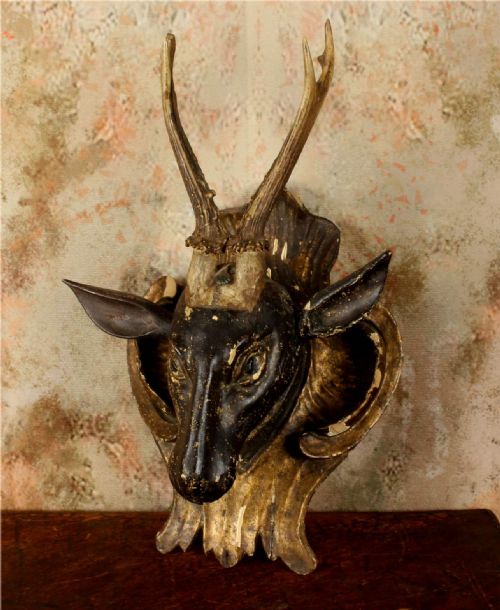
The artistic interpretation within folk art pieces, such as carved wood deer heads and painted Swedish figures, dictates their standing. Superior examples show confident hand-working and distinct stylistic character that rise above standard commercial production.
Peter Spicer and Sons·Gerrard and Sons London·Edward Gerrard and Sons
The Antique Animal Taxidermy Glossary
- Taxidermy Mounts
- Preserved skins of animals fitted over a sculpted form to mimic life. This term covers everything from small wall masks to large trophy heads.
- Folk Art
- Objects created by self-taught or traditional craftsmen using local materials. In this category, it describes hand-carved or painted wooden animal figures.
- Wall Sculptures
- Three-dimensional animal representations designed to be hung on a vertical surface. This includes mounted masks and horned skull displays.
Antique Animal Taxidermy: Frequently Asked Questions
What is antique animal taxidermy?
Antique animal taxidermy comprises preserved specimens, horns, and leather models created during the nineteenth and early twentieth centuries. These items served as scientific studies, decorative trophies, or folk art representations in period interiors.
Makers utilised natural materials like bone, antler, and hide alongside carved wood to produce lasting displays of wildlife.
How do I care for mounted horns?
Mounted horns and bone require stable indoor environments away from direct sunlight and excessive moisture. Gentle dusting with a dry cloth helps preserve the natural surface without damaging the material.
Avoid using liquid cleaners on exposed bone or horn to prevent cracking or discoloration over time.
Where were these pieces displayed?
Historical pieces typically hung in country houses, libraries, and Highland hunting lodges as symbols of sporting pursuits and natural history interest. Smaller folk art versions adorned domestic rooms and rural cottages.
Today, collectors place them in studies, hallways, and living spaces to introduce texture and historical character.
How can I tell the period?
Dating relies on the mounting style, the materials used in the backing board, and documentation from known taxidermy firms. Victorian and Edwardian pieces often feature specific taxidermy techniques and oak mounts characteristic of those decades.
Folk art variations display hand-painted or carved traits typical of regional nineteenth-century traditions.