



Antique Animal Lamp
These antique animal lamp designs bring character to a room through sculptural figures cast in bronze, carved in wood or modelled in porcelain.
Antique Animal Lamp
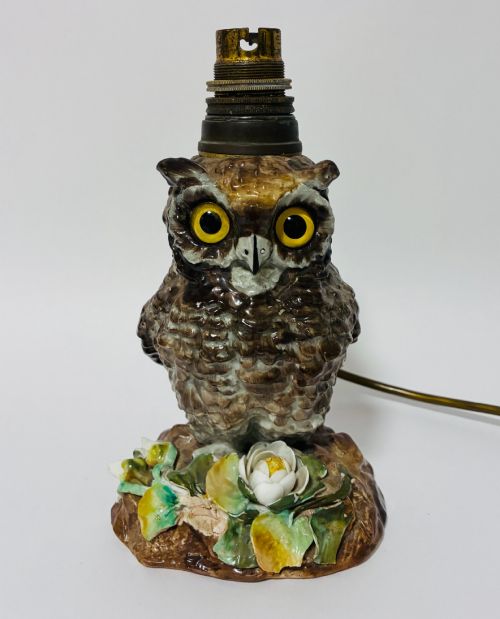
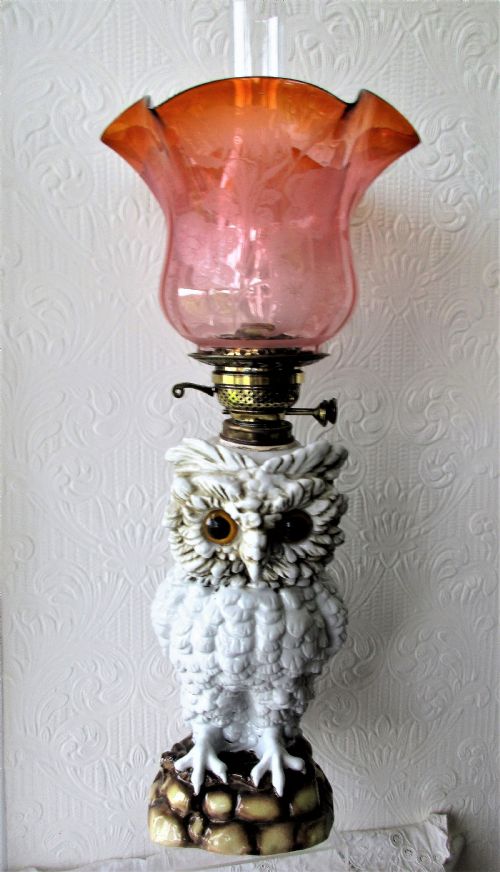
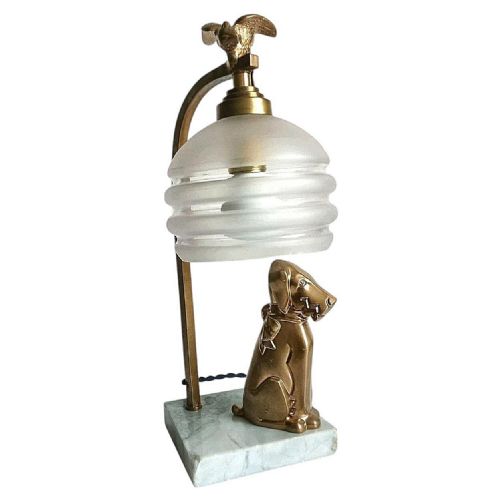
An antique animal lamp combines practical illumination with figural sculpture, often taking the form of birds or hounds. The pieces found here span the Victorian era through to the Art Deco period, capturing creatures in both domestic and natural poses.
Many examples originate from continental workshops, utilising fine German porcelain or French marble bases. Collectors encounter table lamps, converted oil lamps, and night lights depicting dogs, bears, owls, and eagles.
Materials and construction
Makers utilised durable metals such as brass, cast iron, and spelter to form sturdy structural mounts and figural components. Figures were also hand-carved from linden wood in Black Forest workshops or cast and hand-painted in porcelain factories.
Antique Animal Lamp Retail Price Guide 2026
Typical asking prices for animal lamp among the pieces listed under this phrase on Sellingantiques today, from the lower quarter to the upper quarter. They describe what is for sale here now, not the wider market.
German porcelain spitz dogs keep a steadfast, ceramic watch over bedside tables.
Judgements of quality
Quality rests in the fidelity of the animal carving or modelling, where finer pieces display precise anatomical detail rather than generic contours. Hand-painted porcelain expressions and the crispness of brass or cast iron chasing elevate the sculptural presence.
The integration of the lighting component with the animal figure determines the success of the design. Superior examples balance the sculptural weight harmoniously with stable marble or metal bases without awkward alterations.
Sitzendorf·Ernst Bohne and Sohn
The Antique Animal Lamp Glossary
- Spelter
- A zinc alloy commonly utilised as a less expensive alternative to bronze for casting figural bases. It takes patination well and often mimics heavier metals in antique light fittings.
- Opaline glass
- An opaque or translucent glass developed during the nineteenth century, frequently mottled in appearance. It diffuses light softly in night lights and shade components.
- Andirons
- Iron supports used in fireplaces that were occasionally salvaged and converted into decorative lamp bases. This utilitarian reuse accounts for sturdy cast iron animal figures.
- Black Forest
- A regional style of wood carving originating from central Europe, known for realistic representations of local fauna. Bears feature prominently among these linden wood sculptures.
- Novelty lamp
- A functional lighting piece designed primarily around an amusing or unusual decorative theme. These embrace playful animal subjects intended to catch the eye.
Antique Animal Lamp: Frequently Asked Questions
What materials were used for Art Deco animal lamps?
Art Deco pieces favour contrasting textures, combining polished marble or granite bases with spelter, brass, or mottled opaline glass. The figures themselves take on more stylised or dramatic postures, capturing birds in flight or hounds on the prowl.
These materials reflect a shift towards industrial modernity while retaining sculptural artistry in the depiction of the animals.
Are Black Forest animal lamps carved from solid wood?
Black Forest lamps are typically carved from linden wood, known for its fine grain and suitability for detailed sculptural work. Artisans carved bears and other forest animals with a high degree of naturalism.
Inspect the grain and tool marks to appreciate the hand-carved origins of these regional European pieces.
How should I care for an antique porcelain animal lamp?
Dust porcelain surfaces gently with a soft dry cloth and avoid harsh chemical cleaners that might damage hand-painted details. Ensure that any electrical wiring is inspected by a qualified professional to meet modern safety standards.
Keep the lamp away from direct sunlight to preserve the integrity of the painted glazes and any fabric components.