


Antique Animal Head Carving
An antique animal head carving brings fierce vitality and hand-rendered character into a room through centuries of woodwork and metalwork.
Antique Animal Head Carving
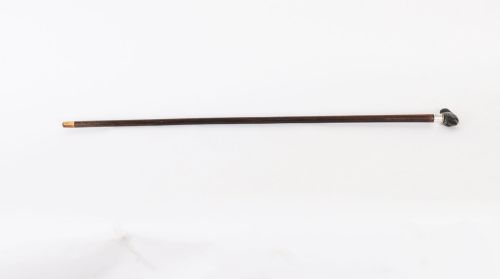
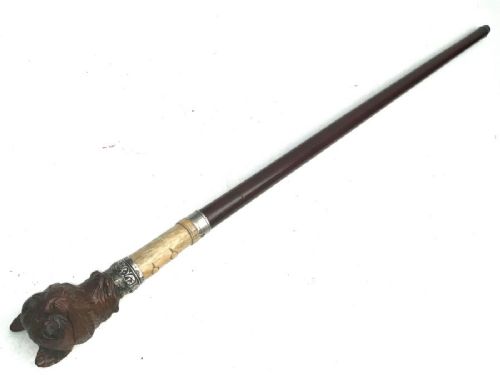
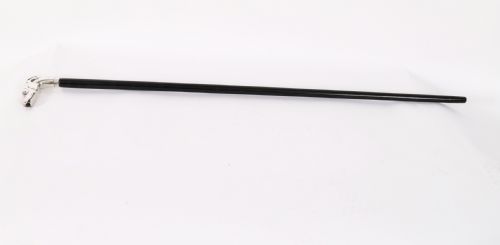
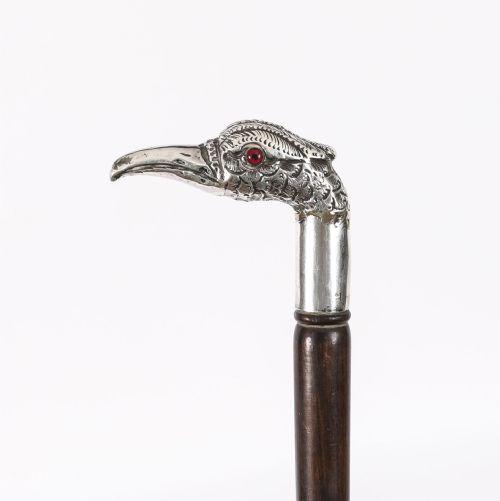
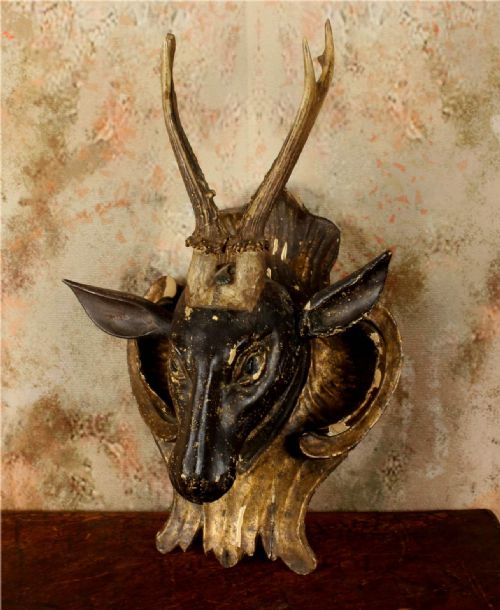
An antique animal head carving encompasses functional objects and standalone sculptures shaped into the likeness of beasts, birds, and domestic creatures. Buyers seeking an antique animal head carving encounter everything from utilitarian walking sticks topped with silver greyhounds and boars to substantial wall masks and furniture adornments.
The selection ranges widely across European and global traditions, featuring the deep relief cuts of Black Forest workshops alongside rustic folk art deer and English pine bookends. Walking canes with silver-mounted handles and oak wall carvings dominate the offerings, each piece translating anatomy into a decorative medium.
How they were made
Carvers shaped these works primarily from hardwoods like walnut, oak, and pine, utilising hand chisels and gouges to build muscular depth and fur texture. Makers also turned to silver, brass, glass, and horn, casting metal mounts or shaping natural materials to form distinct animal profiles.
European workshops, particularly within the Black Forest tradition and French ateliers, relied on patient hand-carving techniques to capture expressive detail in domestic and wild animals. Artisans finished these surfaces with natural waxes and oils, preserving the grain of the timber while highlighting the contours of the carved bone, wood, or metal.
An articulated German Shepherd dog cane ensures your walking companion can visibly snap its jaws on command.
What varies in quality
Quality rests upon the precision of the anatomical render and the depth of the relief work, where master carvers achieved lifelike tension in muscle and bone. Pieces featuring fluid proportions and expressive glass or metal insets stand apart from simpler, stiffer domestic production.
The integration of the carving into its intended object - whether a cane handle, a desk inkwell, or a wall mask - determines the piece's structural harmony. Superior examples maintain crisp edge definition and careful smoothing of the material, showing little sign of hasty production.
The Antique Animal Head Carving Glossary
- Black Forest
- A nineteenth-century carving style originating from the wooded mountain region of Central Europe, known for realistic depictions of wildlife in walnut and lime wood.
- Folk Art
- Objects created by self-taught or traditional artisans outside formal academic traditions, often utilising local materials with rustic charm.
- Meerschaum
- A soft white mineral carved into intricate pipes and small sculptures, noted for its ability to colour gradually with use.
- Knife Rest
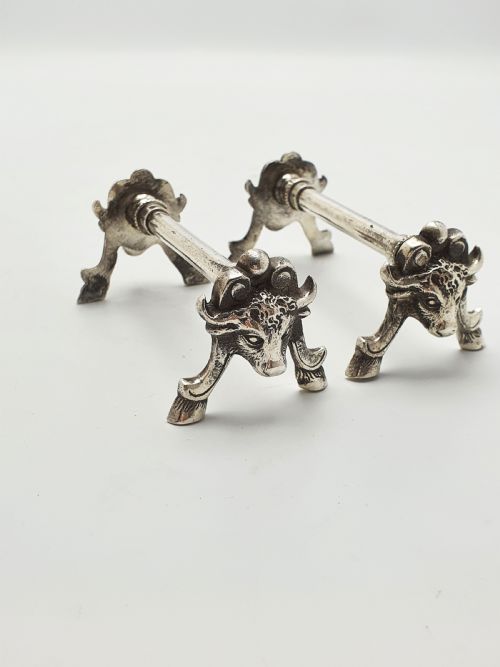
- A small tabletop support designed to keep carving knives and utensils elevated above the tablecloth between courses.
- Desk Tidy
- A compartmented desktop container used for holding writing instruments, inkwells, and small stationery items.
Antique Animal Head Carving: Frequently Asked Questions
What animals appear most often?
The listings feature a diverse menagerie spanning domestic hounds, terriers, and cats alongside wild lions, tigers, boars, deer, and exotic birds of prey.
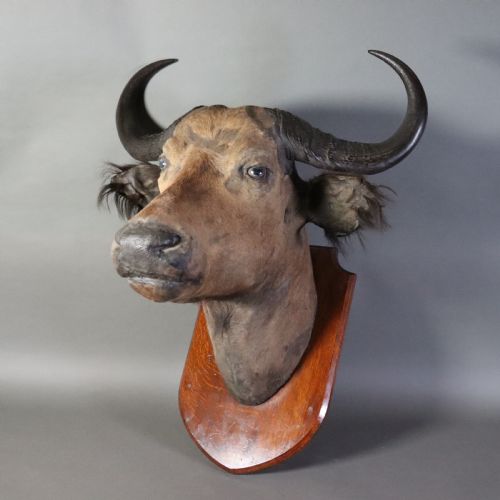
Canine and feline forms frequently top walking sticks and desk accessories, while larger predators and hoofed animals emerge as wall masks or trophy carvings.
How are walking sticks constructed?
Walking sticks combine a slender wooden shaft with a distinct handle shaped from silver, carved hardwood, or horn to represent an animal head.
Many examples incorporate hinged elements or hidden compartments, balancing functional support with novelty craftsmanship.
What is Black Forest carving?
Black Forest carving refers to highly detailed nineteenth-century wooden sculptures and functional items produced primarily in Switzerland and Germany.
These pieces typically depict forest animals such as bears, dogs, and deer rendered with deep texture and lifelike glass eyes.
Where were these pieces made?
Origin points span across Europe, encompassing French furniture ornaments, British domestic accessories, and specialised Swiss and German woodcarvings.
International pieces also appear, including Anglo-Indian furniture elements and Italian marble animal studies.