



Antique Animal Cane
These antique animal cane pieces bring character and hand-carved charm to a room, offering a glimpse into centuries past.
Antique Animal Cane
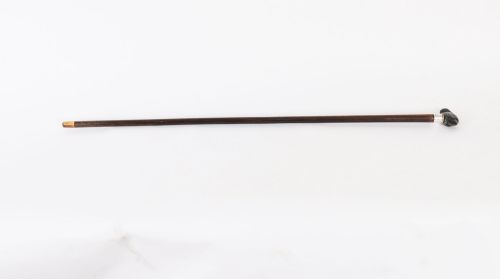
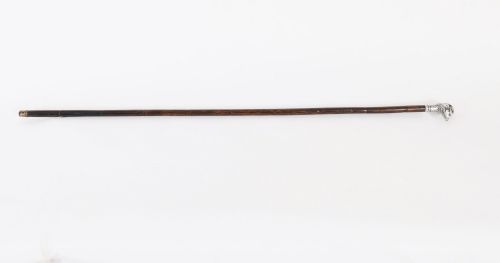
An antique animal cane is a walking stick or swagger stick featuring a sculpted animal handle, commonly fashioned as a duck, parrot, greyhound, pheasant, boar, Alsatian, rabbit, or hare. These pieces range from Victorian examples to Art Deco designs, originating from British, French, German Black Forest, and Italian workshops.
The most common versions met on this page are 19th century and early 20th century walking sticks made with carved wooden shafts and detailed animal handles in silver, horn, bone, or wood. Alongside traditional walking aids, the selection occasionally encompasses novelty gadget sticks incorporating hidden tools like corkscrews or sword blades.
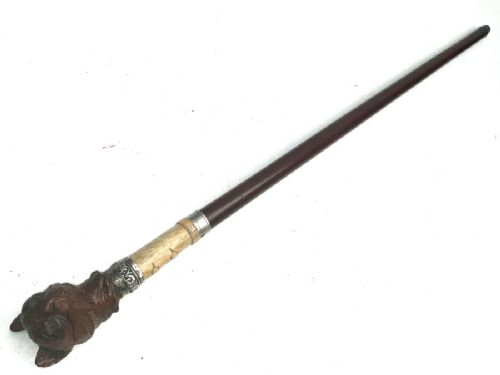
Collectors encounter various regional styles, from the naturalistic carving of Black Forest dog heads to the refined silver greyhound and pheasant handles of 19th century France. Each piece reflects the fashion and social standing of the gentleman or lady who originally carried it through the streets.
How they were made
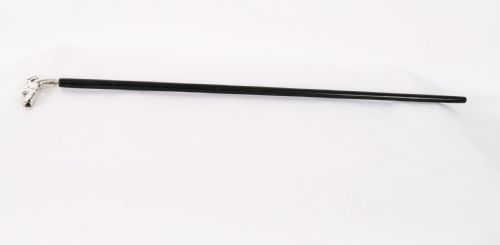
Shafts are turned from dense timbers including hardwood and ebonised wood, providing the rigidity required for daily use as a walking aid. Ebonising involves staining lighter wood to imitate ebony, a popular technique for achieving a sleek, uniform dark finish.
Antique Animal Cane Retail Price Guide 2026
Typical asking prices for animal cane among the pieces listed under this phrase on Sellingantiques today, from the lower quarter to the upper quarter. They describe what is for sale here now, not the wider market.
Materials recorded on this page include silver, hardwood, ebonised wood, painted wood, horn, bone, and glass across various walking stick forms.
What varies in quality
The quality of an antique animal cane depends heavily on the finesse of the carving or metal casting at the handle. Master carvers capture realistic musculature and expression in wood or bone, whereas lesser pieces display flat, generalised detailing.
Materials dictate distinction across the range, with solid silver mounts and carved horn or ivory-substitute handles representing superior craftsmanship compared to plain painted wood. The structural integrity of the joint between handle and shaft also separates standard utility pieces from fine decorative examples.
The Antique Animal Cane Glossary
- Ebonised wood
- Timber treated with a dark finish to resemble genuine ebony. This process gives the walking stick shaft a uniform black appearance.
- Black Forest
- A regional style of wood carving originating from the mountainous region of Germany. These pieces are recognised by their realistic representation of animals.
- Gadget stick
- A walking cane containing a hidden mechanical function or tool. Examples include concealed corkscrews and integrated blade mechanisms.
- Assay mark
- A stamp or series of stamps applied to precious metals to indicate purity and origin. These marks help verify the silver content of the handle.
Antique Animal Cane: Frequently Asked Questions
How do I date an animal cane?
Dating relies on examining the materials, style, and any metal hallmarks present on the silver handle. Victorian and Edwardian pieces often display distinct craftsmanship trends and stylistic markers corresponding to their era of manufacture.
Art Deco examples from the late 1920s feature geometric styling and different design sensibilities compared to earlier 19th century French or Black Forest items. Comparing the construction techniques to known period pieces helps narrow down the age.
Were these canes used for walking?
Many were functional walking aids used daily by well-to-do individuals for support and as a display of status. Ladies and gentlemen carried them as standard outdoor accessories.
Some specialised versions, such as gadget sticks or sword sticks, prioritised concealment or novelty over heavy weight-bearing support. Today, they are primarily displayed as decorative collection items.
How should I display a cane?
Canes are traditionally displayed upright in a heavy umbrella stand or mounted horizontally on wall brackets designed for walking sticks. This keeps the delicate animal handles visible while preventing the wooden shafts from warping.
Placing them away from direct sunlight and extreme temperature fluctuations protects organic materials like bone, horn, and painted wood from cracking over time.