



Antique Animal Box
An antique animal box brings together miniature craftsmanship and animal forms, offering a tactile piece of history for the desk or cabinet.
Antique Animal Box
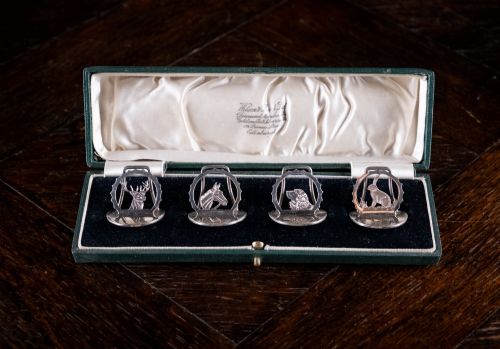
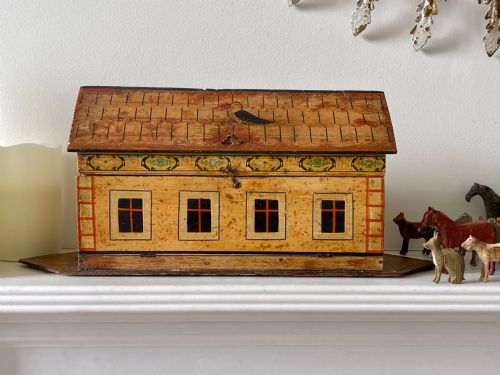
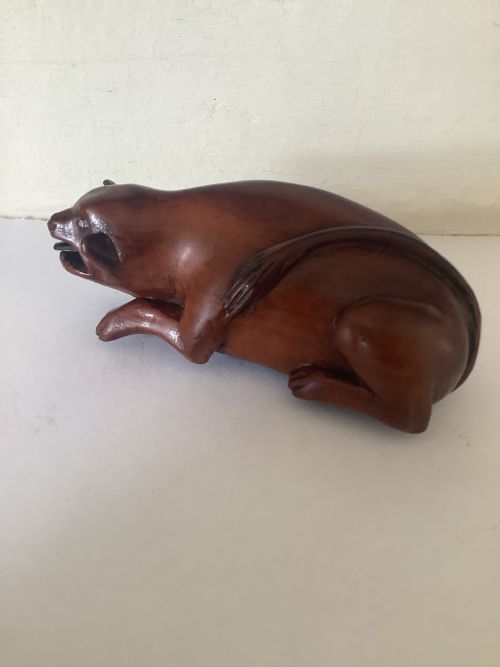
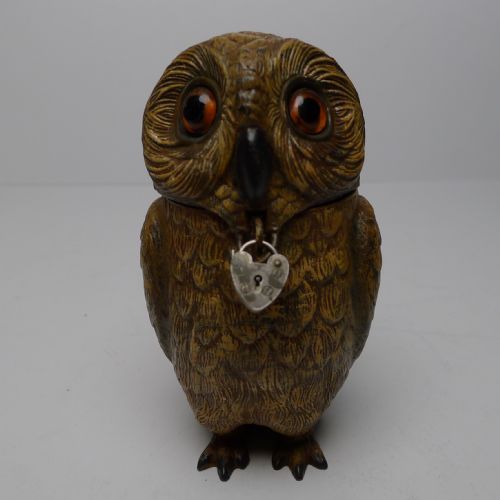
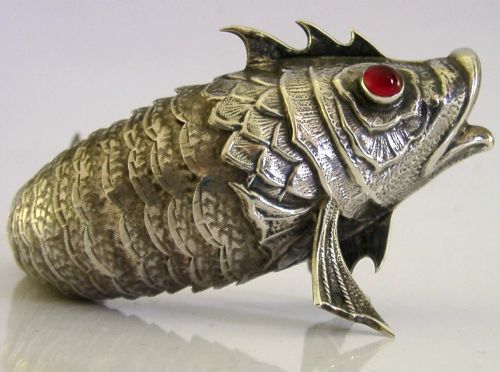
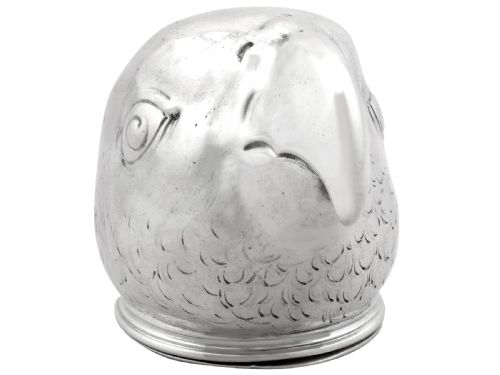
When you search for an antique animal box, you encounter a diverse assortment of small containers fashioned in the shapes or likenesses of creatures. These objects range from nineteenth-century folk art carvings to Edwardian novelties and mid-century silver figures.
The selections on this page encompass various functional forms, including snuff boxes, vesta cases, pill boxes, money boxes, and pin cushions. Origins span England, Germany, Spain, India, and Japan, reflecting international traditions of animal-themed decorative objects.
Dated examples stretch from the Victorian era through the Edwardian period into the twentieth century, alongside earlier Japanese Edo period pieces. Each item serves a domestic purpose while celebrating fauna through distinct regional styles.
How they were made
Makers utilised precious metals such as sterling silver and standard silver, shaping them through techniques like repoussé, casting, and articulation. Artisans also worked with organic materials, carving wood and hardwood or applying lacquer.
Surface decoration frequently involves paint, gilt work, and interior linings of velvet. Miniature details on silver animals and carved wooden boxes rely on steady handwork and specialised miniature tools appropriate to each material.
Antique Animal Box Retail Price Guide 2026
Typical asking prices for animal box among the pieces listed under this phrase on Sellingantiques today, from the lower quarter to the upper quarter. They describe what is for sale here now, not the wider market.
Materials across the listings span sterling silver, painted spelter, carved wood, hardwood, brass, and lacquer.
What varies in quality
Quality in these pieces rests upon the crispness of the animal's modelling and the precision of the mechanics on hinged lids, clasps, or articulated joints. Superior examples display anatomical accuracy and fine surface chasing rather than blunt, generalised casting.
The integrity of the material, whether untorn silver hallmarks, well-preserved lacquer, or tight wood grain, determines the enduring condition of the object. Finer pieces retain their original gilding, paint, and fitted interiors without heavy wear.
A. Wilcox
The Antique Animal Box Glossary
- Repoussé
- Metalworking technique where the metal is hammered from the reverse side to create a raised design in relief on the front. This method is often seen on decorative brass and silver containers.
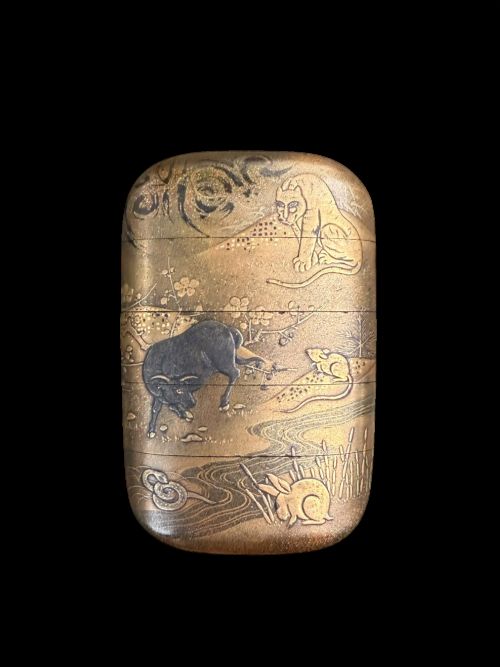
- Inro
- A traditional Japanese case for carrying small objects, suspended from sashes by toggles. These tiered containers often feature elaborate lacquer work and animal motifs.
- Vesta Case
- A small pocket box designed to hold matches and keep them dry. Victorian examples were frequently cast in novelty animal shapes.
- Spelter
- An alloy of zinc and lead or copper used as a substitute for bronze. Painted spelter figures provide a durable base for novelty money boxes.
- Pill Box
- A small lidded container intended for carrying medicinal doses or sweets. Sterling silver examples from the Edwardian period often took the form of livestock.
Antique Animal Box: Frequently Asked Questions
What were antique animal boxes used for?
These small containers served practical daily functions in the home or pocket, holding snuff, matches, pins, pills, or coins.
Owners kept them on desks, dressing tables, or carried them personally as decorative accessories that doubled as useful items.
How do I date a silver animal box?
Dating relies heavily on hallmarks stamped into the silver, which indicate the assay office, standard, and year of production.
Stylistic cues such as Victorian ornamentation, Edwardian novelty design, or mid-century manufacturing also help narrow down the period.
Are wooden and silver animal boxes from the same region?
The inventory shows diverse geographical origins, with silver boxes frequently originating in European workshops like those in Germany and England.
Carved wooden pieces and lacquer work emerge from separate folk art and traditional craft traditions in Britain, Asia, and beyond.
How should I care for painted spelter and silver?
Painted spelter requires gentle dusting without harsh chemical polishes that might strip the original surface colour.
Silver pieces benefit from careful cleaning with appropriate cloths to manage tarnish while preserving the fine details of the metalwork.