



Antique Ancestor Paintings
Antique ancestor paintings capture the stern gaze and quiet dignity of forebears through oil, watercolour, and ink on silk or paper.
Antique Ancestor Paintings
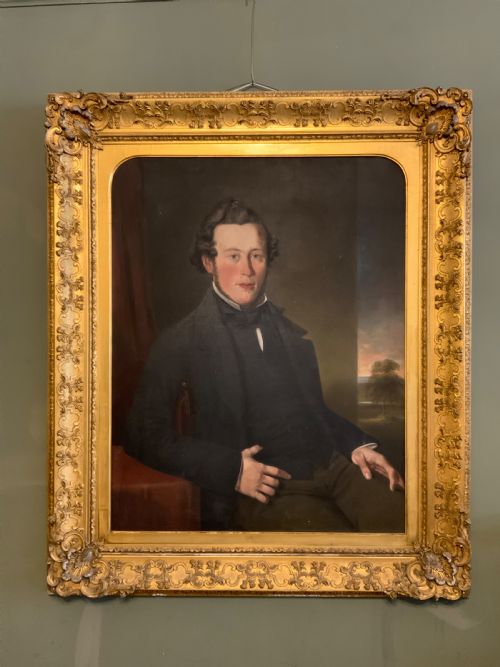
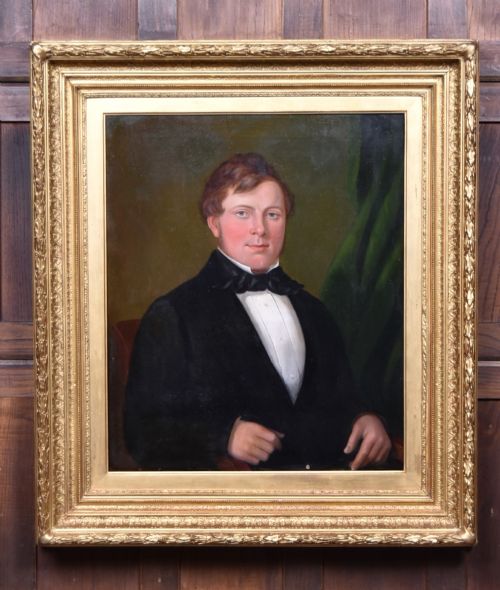
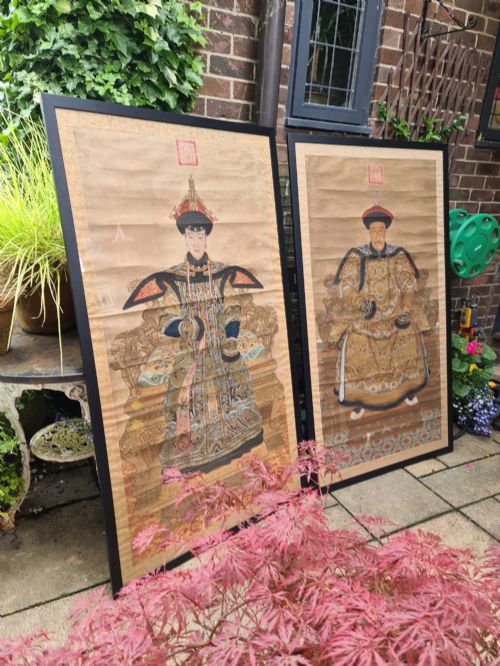
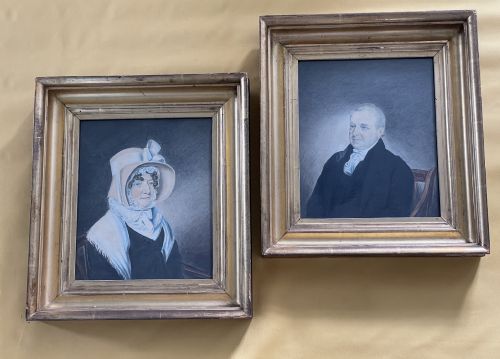
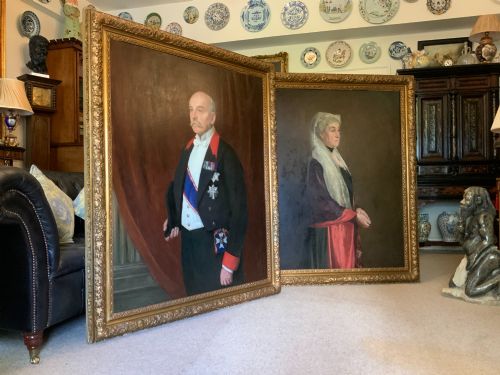
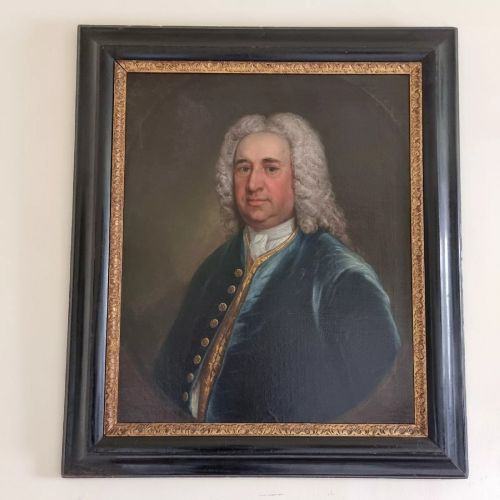
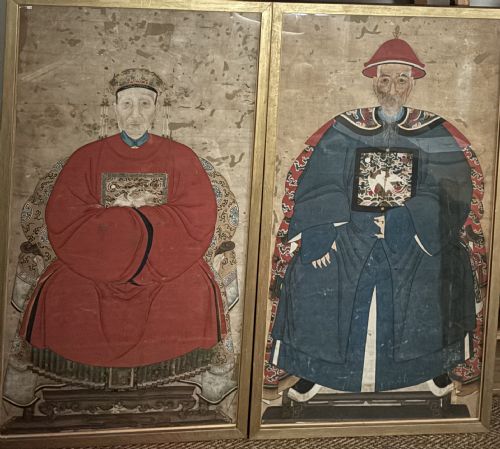
When you search for antique ancestor paintings, you encounter formal likenesses rendered across different continents and traditions. These works range from Chinese ancestral scrolls and reverse glass paintings to British, American, and Scandinavian portraits.
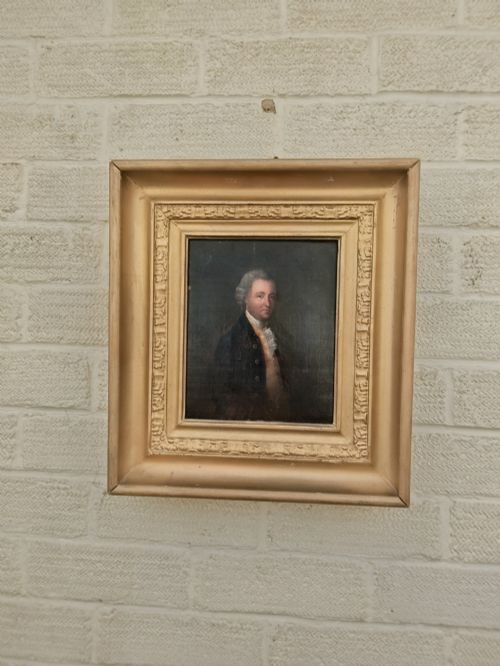
The pieces on this page are most frequently nineteenth-century oils on canvas and Chinese scroll paintings or watercolours. They capture family lineages, historical militia figures, and revered dignitaries with striking presence.
Subjects appear singly, in pairs, or in groups, framed in wood or giltwood. Each piece preserves the likeness of a specific person from earlier centuries, offering a direct window into past societies.
How they were made
Painters applied oil on canvas, pigment on paper or silk, and watercolour to create these works. Many pieces incorporate gold leaf and are housed in wooden or giltwood frames.
Techniques span from European academic portraiture and American folk art to traditional Chinese scroll mounting and reverse painting on glass. Each method reflects the regional conventions of its period.
The selection includes European folk art, Scandinavian tinplate works, and Chinese Qing dynasty scroll paintings.
What varies in quality
Quality rests in the handling of the subject and the preservation of the materials. Fine brushwork and pigment retention elevate certain works above simpler, more naive productions.
The integrity of the original frame and the depth of character captured in the sitter's face distinguish the finest examples from standard decorative pieces.
The Antique Ancestor Paintings Glossary
- Scroll painting
- A work executed on paper or silk designed to be rolled for storage or hung for display. These pieces are traditional in Chinese art and often depict ancestors or immortals.
- Reverse glass painting
- An image painted directly onto the back of a glass panel and viewed from the front. This technique produces a glossy finish and distinct optical depth.
- Oil on canvas
- Pigment suspended in drying oil applied to a woven fabric support. This combination allows for rich colour blending and enduring stability.
- Watercolour portrait
- A painting created using water-soluble pigments on paper. These works offer a lighter, more translucent quality than oil paintings.
- Giltwood
- Wood carved and coated with a thin layer of gold leaf or powder. It frequently frames formal portraits from the eighteenth and nineteenth centuries.
Antique Ancestor Paintings: Frequently Asked Questions
What are ancestor paintings?
Ancestor paintings are formal portraits created to honour family members, lineage figures, or revered dignitaries. They serve as visual records of individuals from past generations.
These artworks appear in various mediums, including oil on canvas, watercolour, and painted scrolls. They reflect the cultural traditions and social standing of the sitters.
How do I date an ancestor painting?
Dating relies on examining the materials, framing, costume, and painting technique. Canvas types, pigment composition, and paper ageing provide key clues.
Stylistic markers such as clothing fashions and hair styling help narrow down the period, whether Georgian, Regency, or Victorian.
How were Chinese ancestor scrolls used?
Chinese ancestor scrolls were traditionally hung during ancestral rites and memorial ceremonies. Families used them to pay homage to their forebears.
Outside of ceremonies, these scrolls were rolled and stored carefully to protect the delicate silk or paper from light and moisture.
How do I care for antique paintings?
Keep paintings away from direct sunlight, high humidity, and rapid temperature changes. Stable environmental conditions prevent the canvas, paper, or wood from warping.
Dust frames and surfaces gently with a soft, dry brush. Avoid using liquid cleaners or chemical agents on the painted areas.