



Antique Altar Bronze
Antique altar bronze pieces are sacred and ceremonial objects that bring centuries of ritual craftsmanship and rich metallic patina into a domestic interior.
Antique Altar Bronze
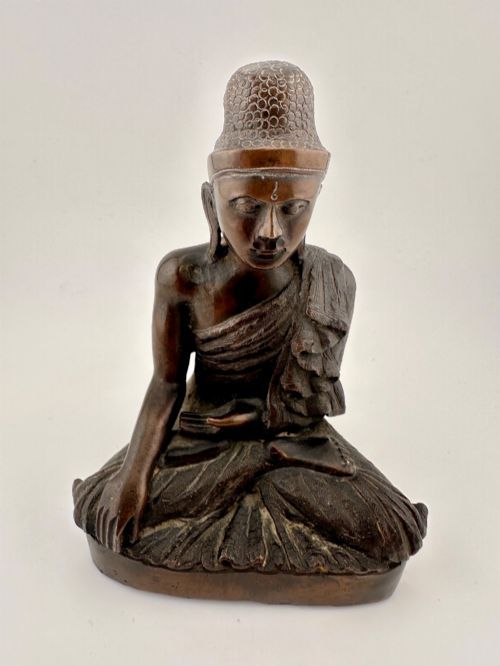
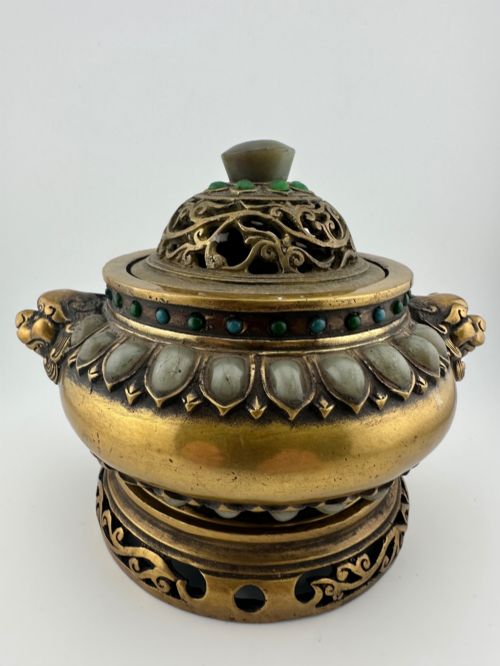
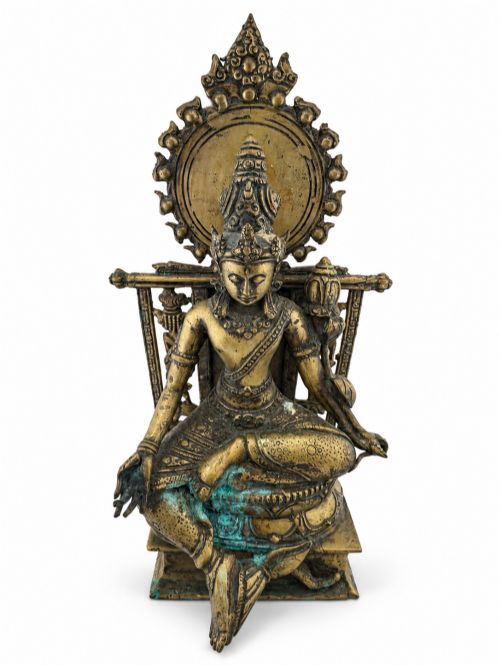
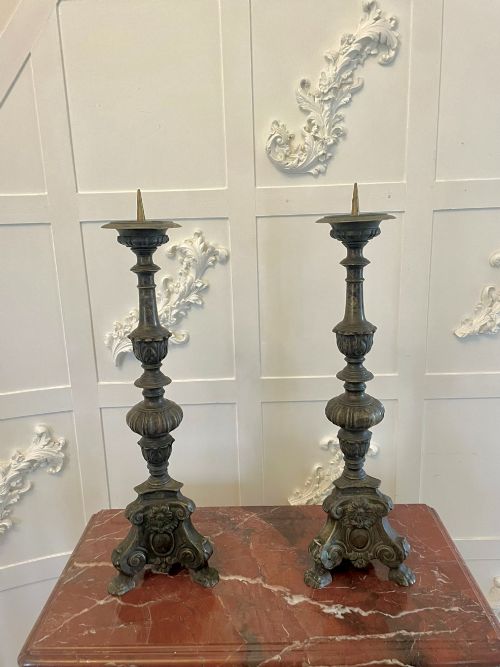
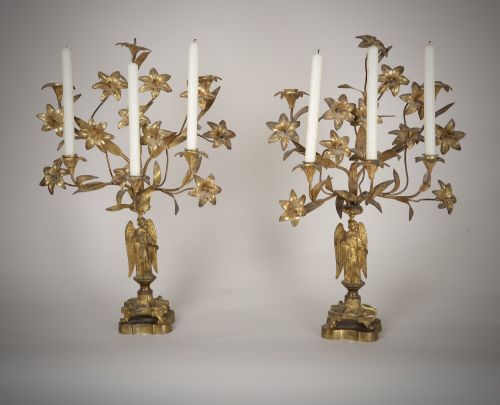
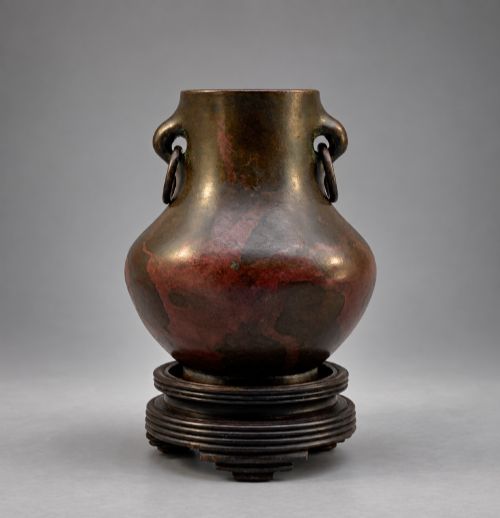
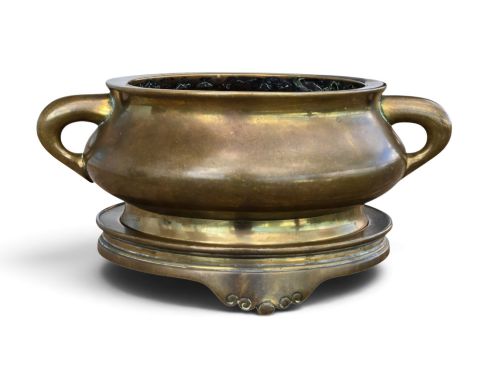
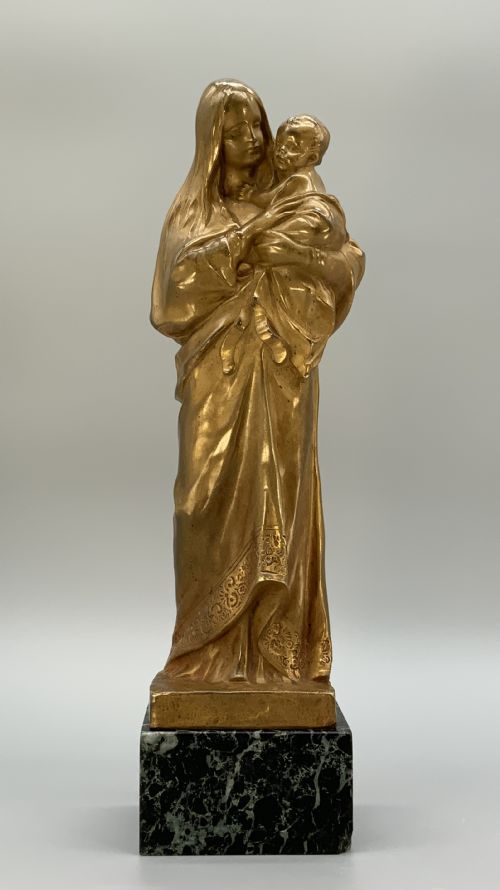
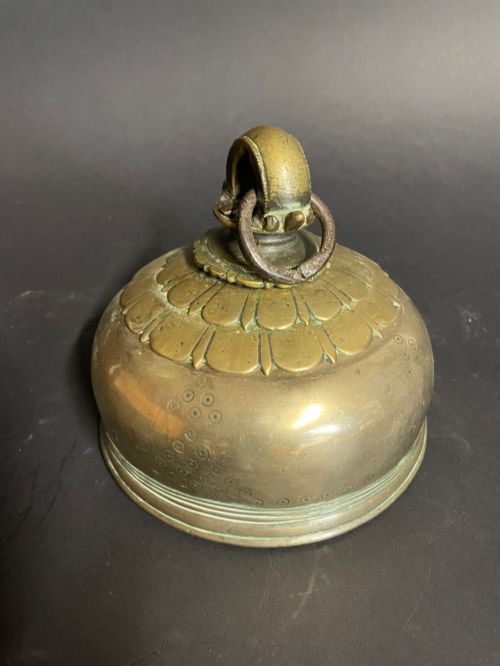
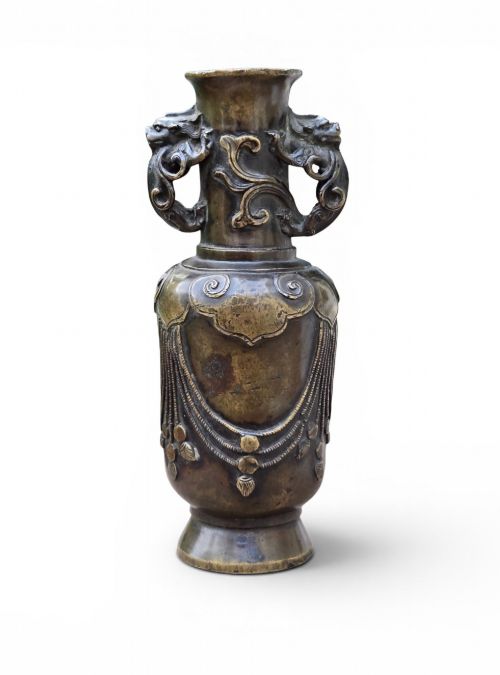
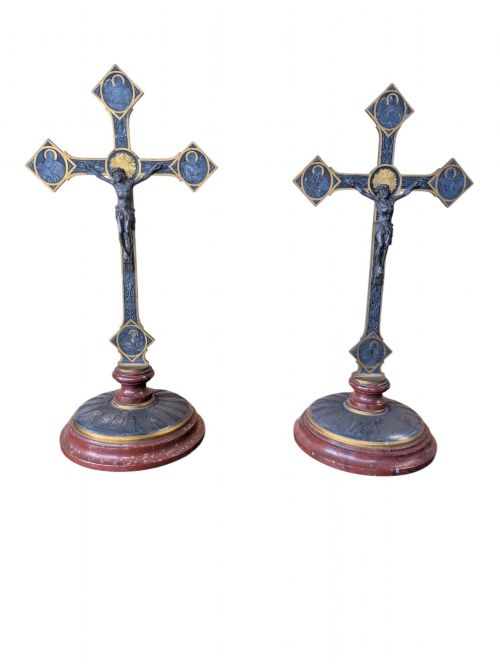
When you search for antique altar bronze, you encounter a diverse gathering of devotional and ritual metalwork spanning multiple centuries and continents. The selection encompasses Asian Buddhist figures, Himalayan shrine statues, and Chinese ritual vessels alongside European ecclesiastical candlesticks, crucifixes, and candelabra.
You are most likely to meet 19th-century European church metalwork alongside Chinese Qing Dynasty archaistic vessels and South Asian cast bronze deities. These objects served sacred functions in temples, domestic shrines, and churches before finding their way into the decorative market.
The forms range from monumental ritual censers and pricket candlesticks to delicate household altar vases and temple bells. Each piece carries the distinct stylistic markers of its origin, whether that is the ornate geometry of the Gothic Revival or the serene posture of a Tibetan Buddhist deity.
How they were made
The makers relied primarily on traditional casting techniques, utilising copper alloys, bronze, and brass to achieve durable, resonant forms. Molten metal was poured into complex moulds, allowing artisans to capture intricate surface details on figures, ritual vessels, and architectural candle holders.
Surface treatments define many of these pieces, with workshops applying fire gilding to create ormolu finishes, or incorporating hardstone inlays into bronze bodies. Some objects exhibit polished solid bronze surfaces, while others retain centuries of accumulated ritual patina and subtle tool marks from the initial casting process.
Antique Altar Bronze Retail Price Guide 2026
Typical asking prices for altar bronze among the pieces listed under this phrase on Sellingantiques today, from the lower quarter to the upper quarter. They describe what is for sale here now, not the wider market.
Materials span traditional bronze and brass, alongside opulent gilt bronze, ormolu, copper alloy, and occasional hardstone inlays.
What varies in quality
Material composition and surface preservation also dictate the standing of a piece. Heavily cast bronzes with intact fire gilding, original hardstone mounts, or untouched patination command greater admiration than later recast examples or pieces that have suffered aggressive modern cleaning.
Hans Müller
The Antique Altar Bronze Glossary
- Pricket candlestick
- A type of candle holder featuring a sharp metal spike at the top designed to secure the base of a large candle. These are frequently found in European ecclesiastical settings.
- Censer
- A vessel used for burning incense during religious rituals and ceremonies. Chinese examples often include matching stands and intricate dragon handles.
- Ormolu
- Finely ground high-carat gold applied to a bronze base using a mercury amalgamation technique. This produces a brilliant, durable golden surface seen on French altar pieces.
- Gu vessel
- An ancient Chinese ritual bronze form characterised by a flared trumpet neck and a slender central stalk. They were frequently repurposed as ceremonial flower vases in later periods.
- Archaistic
- A term describing later works designed deliberately in the ancient style of earlier dynasties. Makers used these archaic motifs to honour historical ritual bronzes.
- Tara
- A female meditative deity in Tibetan Buddhism representing compassion and liberation. These figures are typically cast in bronze and seated in meditative postures.
Antique Altar Bronze: Frequently Asked Questions
How were these bronzes used?
These objects fulfilled devotional roles across different global traditions, from lighting European church altars to holding burning incense in Chinese temples. Figures of deities served as focal points for meditation and prayer in Himalayan shrines.
Over time, many of these sacred implements transitioned from active religious service into private collections and decorative interiors.
How do I care for antique bronze?
Bronze requires minimal intervention to preserve its historical character and protective surface patination. Gentle dusting with a soft dry cloth is usually sufficient for regular maintenance.
Avoid using harsh chemical polishes or abrasive cleaners, as these can strip away centuries of desirable oxidation and ruin the finish of gilded or patinated surfaces.
How can I tell European from Asian pieces?
European altar bronzes typically reflect Christian iconography, such as crucifixes, ecclesiastical candlesticks, and French Art Nouveau candelabra. Their design often follows Gothic, Baroque, or Victorian stylistic revivals.
Asian pieces are characterised by Buddhist or Taoist imagery, including Gu ritual vessels, temple bells, and cast figures of deities like Buddha and Tara.