



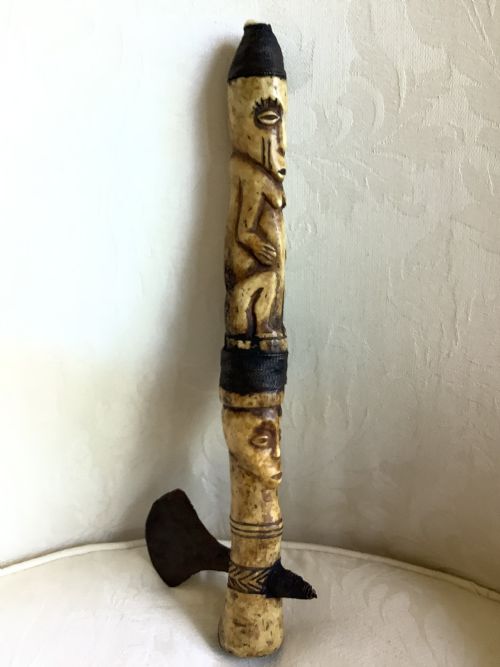


Antique African Figures
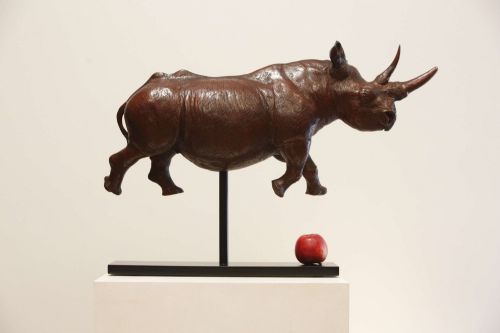
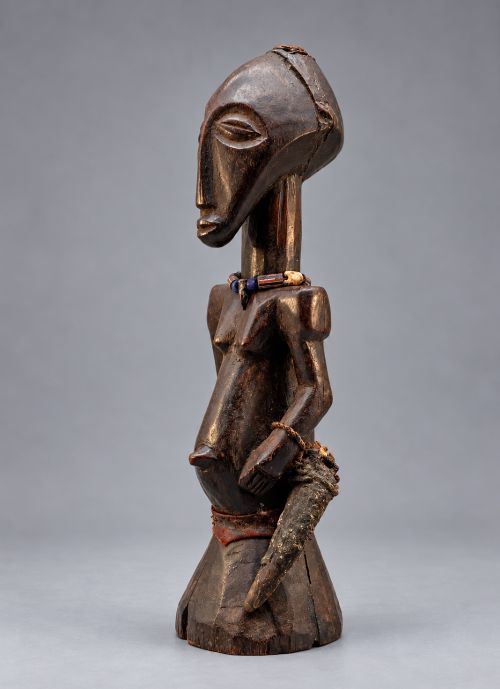
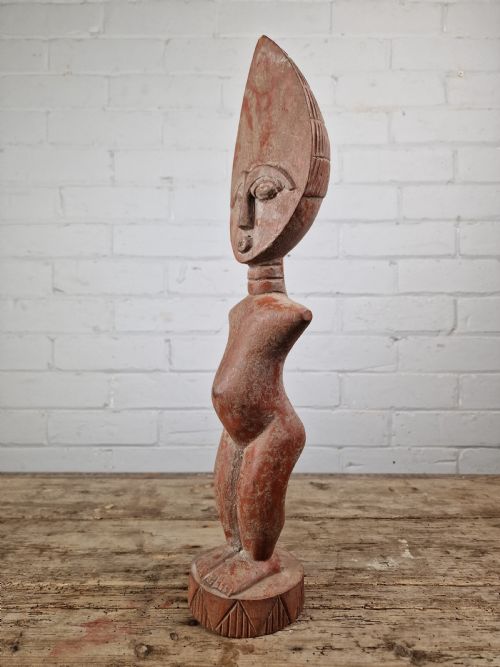
These antique african figures bring sculptural presence to a room, ranging from brass and bronze statuary to carved hardwood depictions of warriors and rulers.
Antique African Figures
When you search for antique african figures, you encounter a diverse gathering of sculptures, ceremonial staffs, and carved studies originating from various regions and traditions. The pieces available span several eras, stretching from the nineteenth century into the decades around nineteen-thirty.
Collectors also find functional objects incorporating sculptural elements, such as headrests, ceremonial axes, and carved tables. The materials vary widely, encompassing hardwoods, cast bronzes, brass, bone, and paper collages.
Factors that define quality
The degree of finesse in the carving or casting determines the visual impact of each piece. Superior examples display confident handling of form, whether in the musculature of a hardwood warrior or the intricate detail of a bronze staff.
Condition and integrity also play a central role, with well-preserved surfaces, natural ageing, and authentic tribal use marking out the more desirable objects in this field.
Antique African Figures Retail Price Guide 2026
Typical asking prices for african figures among the pieces listed under this phrase on Sellingantiques today, from the lower quarter to the upper quarter. They describe what is for sale here now, not the wider market.
Among the bronze menagerie, a seven-kilogram horseman shares space with a carved bone hippopotamus that evidently sat on someone's desk around nineteen-twenty.
The Antique African Figures Glossary
- Yoruba
- A major cultural group of West Africa renowned for distinct artistic traditions including carved ibeji figures and bronze edan castings. Their work forms a prominent part of this category.
- Janus
- A motif featuring two faces looking in opposite directions, seen on bronze ogboni edan figures and other ceremonial objects. This design carries deep symbolic meaning in traditional contexts.
- Reliquary guardian
- A sculptural figure placed upon or near a container holding ancestral relics, particularly associated with Gabonese tribal art such as Mahongwe pieces. These objects were meant to protect sacred remains.
- Ibeji
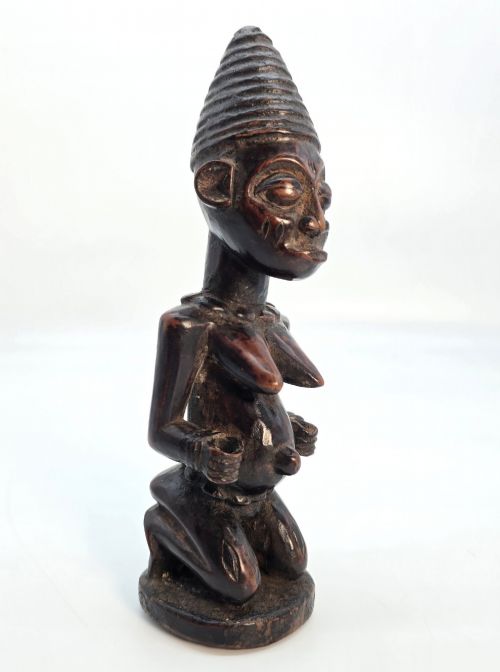
- A wooden carved figure representing a twin in Yoruba culture, often created with elaborate hairstyles and seated poses. They are among the most frequently encountered sculptural forms from the region.
- Bronze casting
- A metalworking method used to create durable statues and ceremonial staffs, particularly associated with Benin and Yoruba metalworkers. The process allows for intricate surface details and considerable weight.
Antique African Figures: Frequently Asked Questions
What materials are antique african figures made from?
These pieces are primarily fashioned from carved hardwoods, cast bronze, and brass. Some examples also incorporate bone, glass, or paper elements.
Makers selected materials based on the intended function of the object, whether for ceremonial use, portraiture, or personal utility.
How can I tell the age of these sculptures?
Dating relies on surface patination, tool marks left by the carver, and stylistic conventions associated with specific periods such as the nineteenth century or the nineteen-thirties.
Documentation, provenance, and traditional manufacturing methods also help establish the historical context of each piece.
Where do these tribal pieces originate?
The items originate from various regions across the African continent, with a strong representation of West African cultures including Yoruba and Benin traditions. Other pieces come from Gabon and Central African stylistic zones.
Each region developed distinct sculptural styles, motifs, and material preferences over generations.
How were ceremonial staffs used?
Ceremonial staffs served as badges of office or ritual objects for leaders, elders, or secret societies. They were carried during important gatherings and community events.
The metal and wood figures surmounting these staffs denoted status, authority, and spiritual connection.
How do I care for wooden and bronze statues?
Wooden and bronze figures require stable indoor humidity and protection from direct sunlight to prevent drying, cracking, or surface fading. Regular dusting with a soft, dry cloth is usually sufficient for maintenance.
Avoid applying modern polishes or cleaning agents that might alter the historic patination of the metal or wood.