
Antique Aesthetic Table
These pieces of antique aesthetic table design bring late nineteenth century craftsmanship and rich materials into a modern interior.
Antique Aesthetic Table
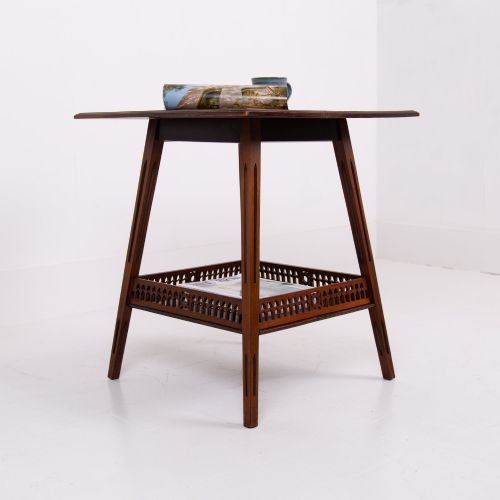
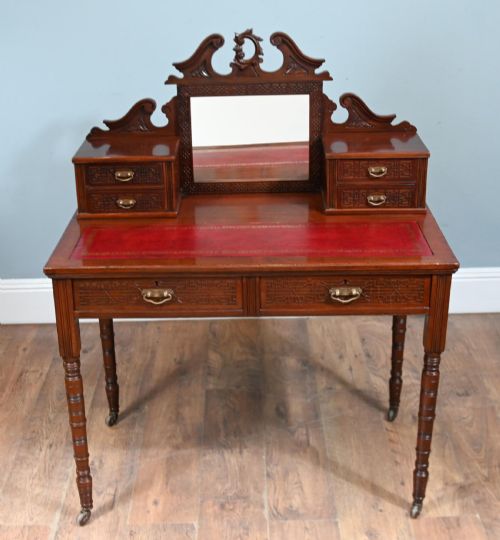
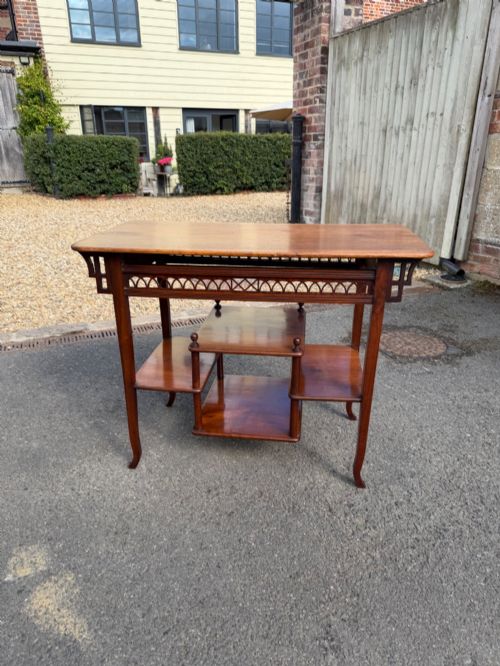
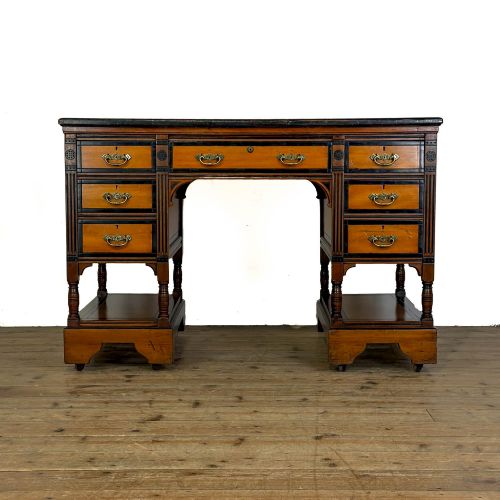
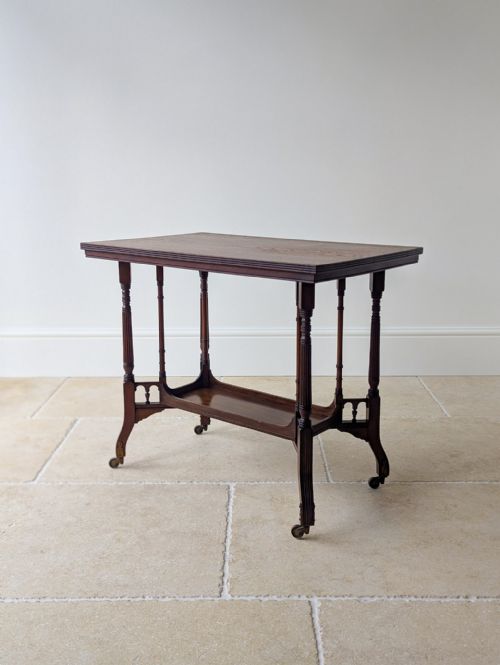
When you search for an antique aesthetic table, you encounter furniture shaped by late nineteenth century design reform, bridging Victorian convention and the Arts and Crafts movement. The selection on this page consists principally of occasional tables, side tables, and writing desks produced during the Victorian era and the decades immediately following.
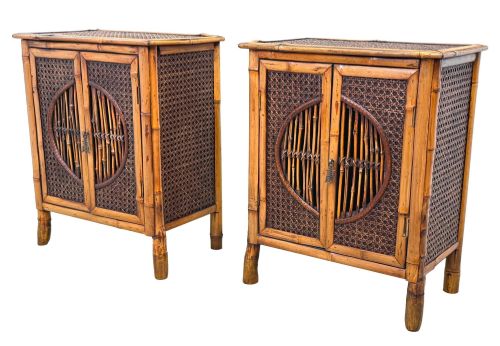
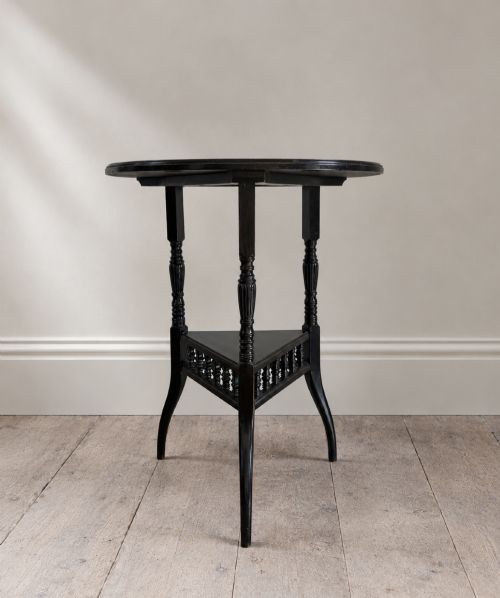
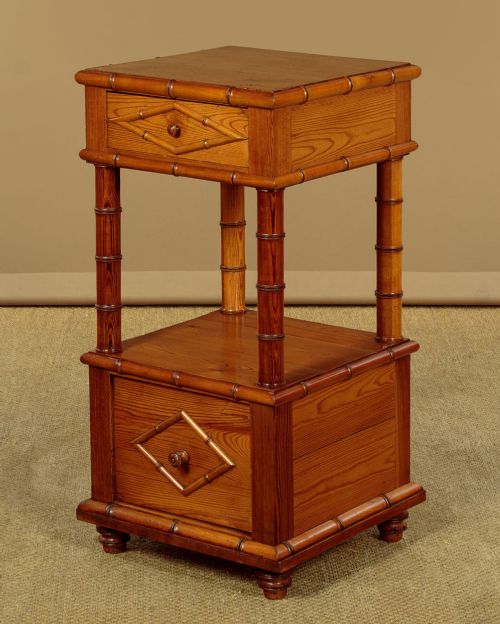
Makers of this period drew inspiration from Anglo-Japanese aesthetics, incorporating ebonised wood, bamboo, and inlaid motifs into compact forms. You will find occasional tables, centre tables, and smaller side pieces designed to function flexibly within domestic rooms rather than demanding a formal central position.
Materials and construction
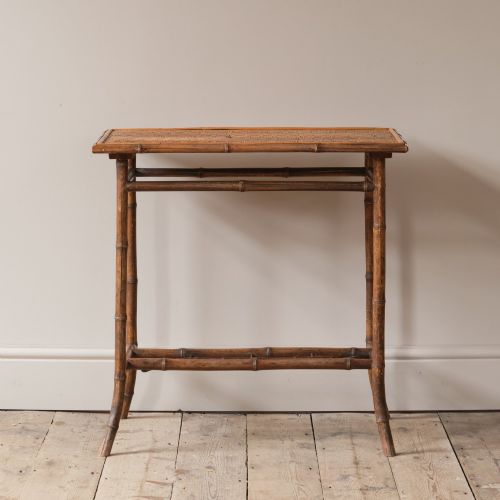
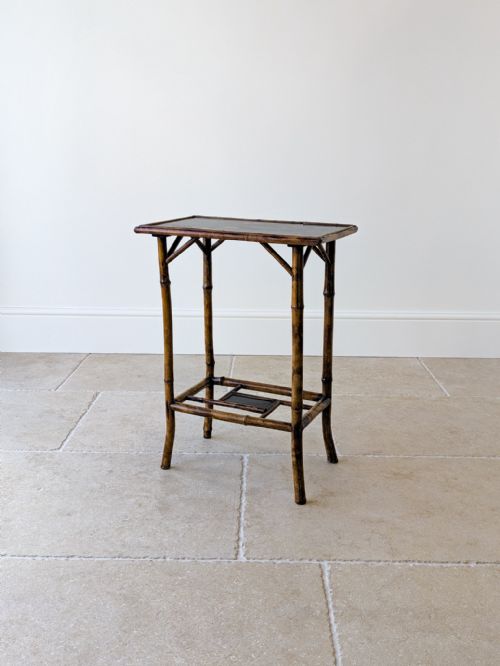
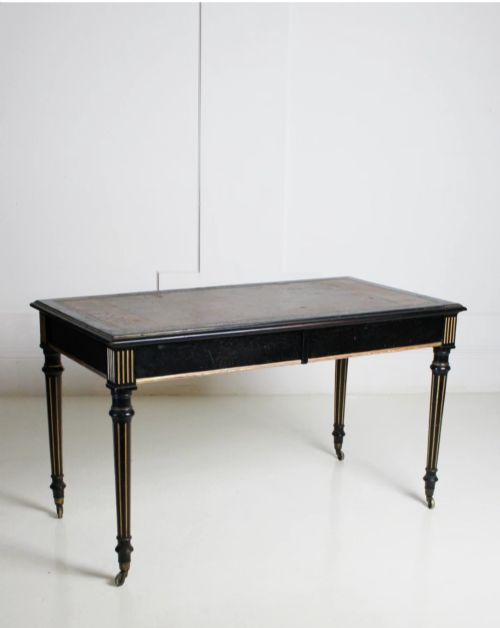
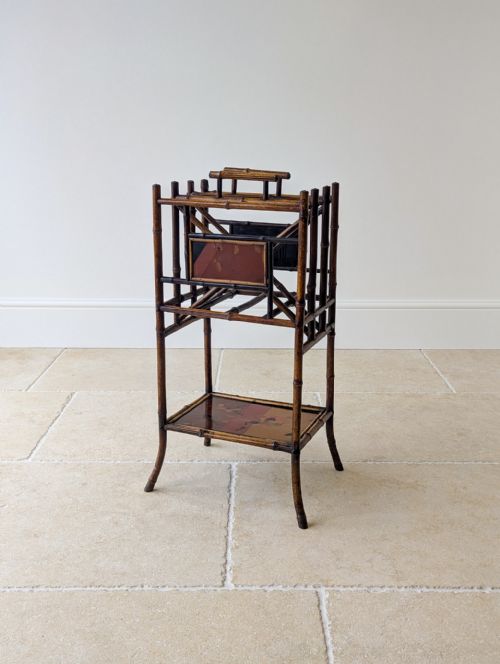
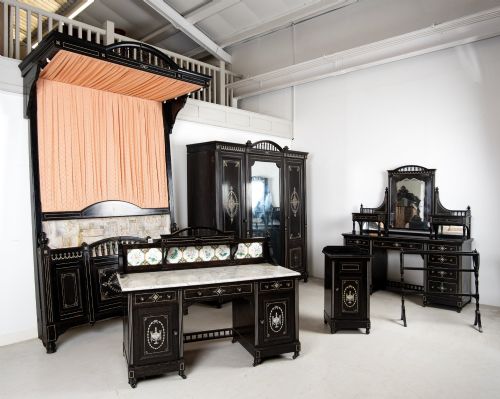
The construction relies heavily on native and imported timbers, notably walnut, mahogany, and oak, alongside structurally inventive materials like bamboo and turned cane. Workshops frequently ebonised wood to mimic the dense, dark surfaces seen in imported Japanese decorative arts, often pairing these frames with parcel gilding or delicate marquetry inlay.
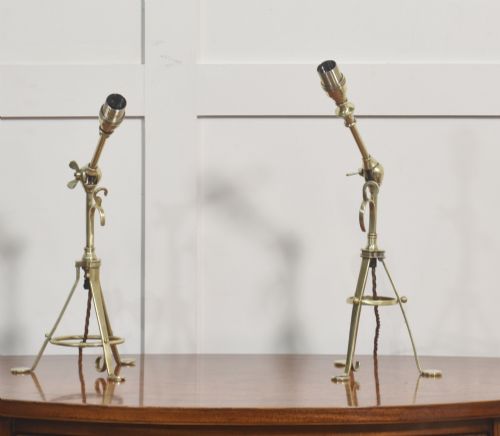
Brass fittings, leather writing inserts, and lacquer surfaces appear across desks and side tables to provide contrast and utility. Cabinetmakers utilised sturdy mortise and tenon joinery beneath decorative ebonisation or bamboo wrapping to ensure the lightweight appearance concealed durable internal framing.
Several makers offered bamboo music stands and card tables alongside standard writing desks.
Assessing quality
Quality rests upon the fidelity of the period detailing and the integrity of the underlying timber framework. Pieces that retain their original ebonised finishes, hand-turned bamboo joints, or complex Moorish inlay without replacement elements demonstrate superior workshop origin.
Design attribution also separates standard commercial production from bespoke pieces. Items bearing documented stamps or paper labels from notable cabinetmakers display sharper carving, tighter joinery, and more considered proportions than unlabelled workshop equivalents.
James Shoolbred·Edwards and Roberts·W.A.S. Benson·Gregory and Co·Hindley and Sons·Waring and Gillows·Druce and Co·Liberty and Co·Blyth and Son
The Antique Aesthetic Table Glossary
- Aesthetic Movement
- A late nineteenth century design ethos prioritising art for art's sake and drawing heavily on Japanese artistic motifs. It rejected heavy Victorian ornamentation in favour of cleaner lines and stylised natural forms.
- Ebonised
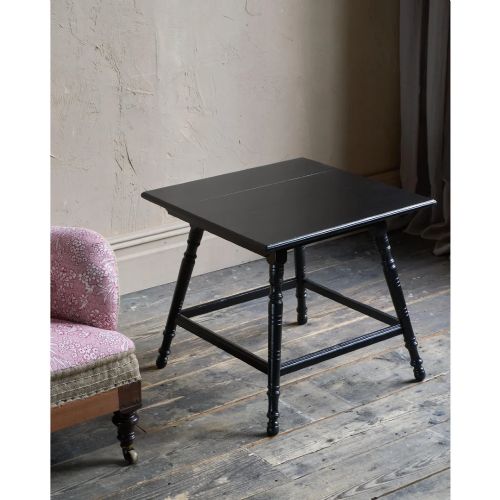
- Timber treated with stain or paint to imitate the deep black colour of ebony. This finish became central to late Victorian avant-garde furniture.
- Anglo-Japanese
- A cross-cultural style combining British furniture forms with Japanese decorative principles, asymmetry, and low relief carving. It often featured bamboo or ebonised surfaces.
- Étagère
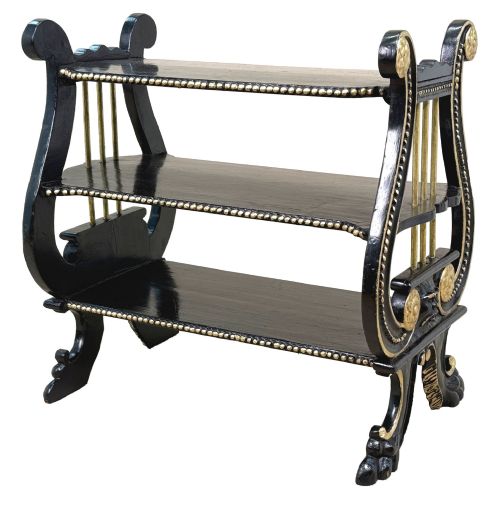
- A set of open shelves for displaying small objects, frequently constructed with slender ebonised supports during the late nineteenth century.
Antique Aesthetic Table: Frequently Asked Questions
What is an antique aesthetic table?
An antique aesthetic table is a piece of furniture produced during the late nineteenth century under the influence of the Aesthetic Movement. These items typically feature ebonised wood, bamboo, or Anglo-Japanese design motifs.
They represent a distinct departure from heavy Victorian styles, focusing instead on artistic form and refined surface decoration.
How were these tables used originally?
These tables served various domestic functions in late nineteenth century homes, acting as surfaces for writing, displaying ornaments, or holding books in libraries and drawing rooms.
Smaller occasional tables and side pieces could be moved easily around a room to suit changing social activities.
How do I identify an ebonised finish?
An ebonised finish is a dark, black surface treatment applied to woods like beech or walnut to replicate expensive ebony. It was widely used by cabinetmakers during the Victorian period to achieve a sleek, uniform appearance.
Over time, genuine period ebonisation shows characteristic softening and wear around the edges of the timber.
Are bamboo tables durable?
Tables constructed from bamboo or faux bamboo during the late nineteenth century are surprisingly sturdy, utilising internal wooden dowels and secure bindings. They were manufactured to be lightweight yet structurally sound for everyday indoor use.
Keeping them away from excessive moisture preserves the natural cane and the integrity of the joints.